Category: Healthy Pregnancy Diet

  • Pregnancy Overnight Oats Recipes

    Pregnancy overnight oats recipes offer a simple, no-cook breakfast solution for expectant mothers. They focus on nutrient-dense ingredients that are easy to digest and provide sustained energy throughout the morning, making them ideal for busy schedules and fluctuating appetites.

    Understanding Overnight Oats for Pregnancy

    Overnight oats are basically a no-cook cereal. You mix oats with a liquid, like milk or yogurt. Then, you let it sit in the fridge overnight.

    The oats soak up the liquid. This makes them soft and creamy. It’s a very simple idea.

    Why are they so good for pregnancy? They are packed with fiber. Fiber helps with digestion.

    This can be a huge help with pregnancy constipation. They also give you slow-release energy. This is great when your energy levels are up and down.

    You can add all sorts of healthy things to them. This boosts the nutrients you get.

    Think of it as prepping your breakfast the night before. When you wake up, it’s ready to eat. No cooking, no fuss.

    This saves precious time and energy. Especially when morning sickness hits hard. Having something easy and good to eat can make a big difference.

    It helps keep your blood sugar steady. This means fewer energy crashes.

    My Own Pregnancy Breakfast Breakthrough

    I remember one particular morning during my first pregnancy. I woke up feeling like a truck had run me over. The sun was barely up, and my stomach was doing flip-flops.

    All I could think about was needing food, but the idea of standing at the stove felt impossible. My husband was already at work. I was alone and felt so drained.

    I looked in the fridge, hoping for a magic solution. Then I saw it: a jar of overnight oats I’d made on a whim the night before. It was plain, just oats and almond milk, but it was there.

    I grabbed a spoon and took a bite. It was cool, creamy, and just… easy. No chewing effort, no heat.

    It was surprisingly satisfying. That simple jar felt like a huge victory. It was the first time I truly understood how these little jars could be a pregnancy game-changer.

    Pregnancy Overnight Oats: Key Benefits

    Nutrient Density: Oats are a great source of fiber, B vitamins, and minerals like iron and magnesium. Adding fruits, seeds, and nuts boosts this further.

    Digestive Support: High fiber content helps prevent and ease constipation, a common pregnancy issue.

    Sustained Energy: The slow-release carbohydrates in oats prevent blood sugar spikes and crashes, keeping you energized.

    Customizable: You can tailor them to your specific cravings and dietary needs. They are very adaptable.

    Time-Saving: Prepare the night before, grab-and-go in the morning. This is a huge plus for busy moms.

    Building the Perfect Pregnancy Overnight Oats Base

    The foundation of any good overnight oat recipe is simple. You need oats and a liquid. But even these basics have choices that matter for pregnancy.

    Oats: Rolled oats are the best. They are also called old-fashioned oats. They soften well without getting mushy.

    Steel-cut oats are too hard. Instant oats can become gluey. So, stick to rolled oats.

    You can find them in most grocery stores. They are natural and unprocessed.

    Liquid: You have many options here. Cow’s milk is a good source of calcium and vitamin D. Many women choose plant-based milks.

    Almond milk is low in calories. Soy milk adds protein. Coconut milk adds a nice creamy texture.

    Oat milk is another good choice. You can also use water, but it won’t be as creamy. Some people like to mix milk and yogurt.

    This makes them extra thick and creamy.

    The Ratio: A good starting point is a 1:1 ratio. One part oats to one part liquid. For example, half a cup of oats and half a cup of milk.

    You might need to adjust this. If you like them thicker, use a bit less liquid. If you like them looser, add more.

    It’s really about personal preference. Experiment a bit to find what you like best. This ratio ensures the oats absorb the liquid evenly.

    Add-ins for the Base: Beyond oats and liquid, a few other things help the base. A little bit of chia seeds or flax seeds is great. They absorb liquid too.

    This makes the oats thicker. They also add omega-3s and fiber. A pinch of salt can enhance the flavor.

    A touch of sweetener, like maple syrup or honey, is optional. But try to keep added sugars low during pregnancy. The fruit will add natural sweetness.

    The Essential Overnight Oats Ratio

    Ratio: 1:1 (Oats to Liquid)

    Example:

    • 1/2 cup Rolled Oats
    • 1/2 cup Milk (dairy or non-dairy)

    Optional Add-ins for Base:

    • 1 tablespoon Chia Seeds or Flax Seeds
    • Pinch of Salt
    • 1 teaspoon Sweetener (maple syrup, honey – use sparingly)

    Nourishing Toppings and Mix-ins for Expecting Moms

    This is where the magic really happens. The base is good, but the toppings make them amazing. And for pregnancy, we want nutrient-packed toppings.

    Fruits: Berries are fantastic. Blueberries, raspberries, strawberries. They are full of antioxidants.

    They are also good sources of vitamin C. Bananas add creaminess and potassium. Sliced apples or pears are nice too.

    You can use fresh or frozen fruit. Frozen berries thaw overnight and release their juices. This makes the oats even tastier.

    Make sure fruits are washed well.

    Seeds: Chia seeds and flax seeds are great additions. They absorb liquid and thicken the oats. They also add omega-3 fatty acids.

    These are crucial for baby’s brain development. Pumpkin seeds are good for zinc. Sunflower seeds offer vitamin E.

    Sprinkle them on top or mix them in. They add a nice crunch. Make sure seeds are raw and unsalted.

    Nuts: Almonds, walnuts, pecans. They add healthy fats and protein. Walnuts are especially good for omega-3s.

    Chop them up so they are easy to eat. Be mindful of allergies if you share your breakfast. Nuts can be toasted for extra flavor.

    But raw nuts are fine too. They provide a satisfying crunch.

    Protein Boosts: Greek yogurt is a wonderful addition. It makes the oats super creamy. It also adds a lot of protein.

    Protein keeps you feeling full longer. This is important when you are hungry often. You can stir it into the base or layer it.

    Protein powder can be added too. Choose a pregnancy-safe one. Look for ones with minimal artificial ingredients.

    Spices: Cinnamon is a classic. It adds flavor without sugar. It might even help with blood sugar control.

    Nutmeg and cardamom are nice too. A tiny bit of vanilla extract can boost flavor. These warm spices are comforting.

    They make the oats feel more like a treat.

    Healthy Fats: A drizzle of nut butter. Peanut butter, almond butter. They add flavor and healthy fats.

    They also make the oats more filling. Just a spoonful is usually enough. Ensure the nut butter has no added sugar or oils.

    Check the ingredients list carefully.

    Top Pregnancy-Friendly Mix-ins & Toppings

    • Fruits: Berries (blueberries, raspberries), bananas, apples, pears.
    • Seeds: Chia seeds, flax seeds, pumpkin seeds, sunflower seeds.
    • Nuts: Almonds, walnuts, pecans (chopped).
    • Protein: Greek yogurt, pregnancy-safe protein powder.
    • Spices: Cinnamon, nutmeg, cardamom, vanilla extract.
    • Healthy Fats: Natural nut butter (peanut, almond).

    Simple Pregnancy Overnight Oats Recipe Ideas

    Here are some easy recipes you can try. They are designed for busy moms-to-be. They focus on simple ingredients and quick prep.

    1. The Classic Berry Boost

    This is a go-to for a reason. It’s packed with antioxidants and tastes amazing.

    • 1/2 cup rolled oats
    • 1/2 cup unsweetened almond milk (or milk of choice)
    • 1 tablespoon chia seeds
    • 1/2 cup mixed berries (fresh or frozen)
    • Optional: 1 teaspoon maple syrup

    Instructions: Combine oats, milk, and chia seeds in a jar or container. Stir well. Add berries on top.

    If using, drizzle maple syrup. Seal and refrigerate overnight. In the morning, stir and enjoy.

    Add a splash more milk if it’s too thick.

    2. Banana Nut Butter Dream

    This recipe is creamy, satisfying, and full of healthy fats and potassium.

    • 1/2 cup rolled oats
    • 1/2 cup oat milk (or milk of choice)
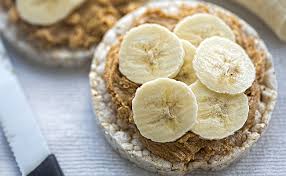
    • 1 tablespoon natural peanut butter
    • 1/2 banana, mashed
    • Optional: Pinch of cinnamon

    Instructions: In a jar, mix oats and oat milk. Stir in the mashed banana and peanut butter until well combined. Add a pinch of cinnamon if you like.

    Seal and refrigerate overnight. In the morning, give it a good stir. Top with a few slices of fresh banana or chopped peanuts.

    3. Apple Cinnamon Comfort

    This recipe feels like a warm hug. It’s perfect for cooler mornings or when you crave something comforting.

    • 1/2 cup rolled oats
    • 1/2 cup milk (dairy or non-dairy)
    • 1/4 cup unsweetened applesauce
    • 1/2 teaspoon cinnamon
    • Optional: 1 tablespoon chopped walnuts

    Instructions: Combine oats, milk, applesauce, and cinnamon in a jar. Stir until smooth. Mix in chopped walnuts if using.

    Seal and refrigerate overnight. In the morning, stir and enjoy. You can add a sprinkle more cinnamon on top.

    Quick-Scan Recipe Guide

    Recipe:

    • Berry Boost
    • Banana Nut Butter
    • Apple Cinnamon

    Key Ingredients:

    • Mixed Berries
    • Banana, Peanut Butter
    • Applesauce, Cinnamon

    Prep Time: 5 minutes

    Chill Time: 6+ hours

    When to Be Mindful: Considerations for Pregnancy

    While overnight oats are generally very safe and healthy for pregnancy, there are a few things to keep in mind. These help ensure you are getting the most benefit and avoiding any potential issues.

    Food Safety: Always use pasteurized milk and dairy products. If you are using eggs as an emulsifier or for added protein (though not common in oats), ensure they are fully cooked or pasteurized. Since overnight oats are no-cook, stick to ingredients that are safe to eat raw.

    Sugar Intake: Pregnancy is a time to be mindful of sugar. While fruits provide natural sugars, be cautious with added sweeteners. Honey is safe in pregnancy, but it’s still a sugar.

    Try to rely on the natural sweetness of fruits. If you need extra sweetness, a small amount of maple syrup or date paste is better than refined sugar.

    Portion Sizes: Oats are filling and nutritious. Pay attention to your hunger cues. A standard serving is usually around 1/2 cup of dry oats.

    Don’t overdo it, even with healthy foods. Listen to your body’s signals for fullness.

    Allergies and Sensitivities: If you have any known allergies or sensitivities, adjust the recipes accordingly. This includes nut allergies, dairy sensitivities, or gluten intolerance (ensure you use certified gluten-free oats if needed).

    Gestational Diabetes: If you have or are at risk for gestational diabetes, discuss your diet with your doctor or a registered dietitian. While oats can be good, you may need to monitor carbohydrate intake closely. They can advise on the best types and amounts of ingredients for your specific needs.

    Oats are generally a low-glycemic index food, which is good, but context matters.

    Morning Sickness Relief: Sometimes, even overnight oats might be too much for severe morning sickness. If you can’t stomach them, don’t force it. Try simpler options like plain crackers, ginger tea, or small sips of broth.

    The goal is to get some nutrition in, whatever you can tolerate. Listen to your body.

    Pregnancy Diet Watchlist

    Sugar: Monitor added sugars. Focus on natural fruit sweetness.

    Portion Size: Listen to your body. Avoid overeating.

    Food Safety: Use pasteurized dairy. Avoid raw eggs.

    Allergies: Adjust recipes for known sensitivities.

    Gestational Diabetes: Consult your doctor for dietary advice.

    Real-World Scenarios: Making it Work

    Life during pregnancy is often a balancing act. Overnight oats fit into many scenarios.

    The Early Morning Rush: You have to get to work or take care of other kids. You can’t spend time cooking. Grab your pre-made jar from the fridge.

    Eat it in the car, at your desk, or while chasing toddlers. It’s sustenance on the go.

    The Mid-Morning Snack: Feeling a dip in energy around 10 am? A small jar of overnight oats can be the perfect pick-me-up. It’s lighter than a full meal but more satisfying than just fruit.

    It bridges the gap until lunch.

    Dealing with Nausea: Some days, the smell of cooking is just too much. Overnight oats are cold and require no cooking. This makes them more palatable when you’re feeling queasy.

    The mild flavors can be less triggering than strong cooked foods. You can also start with very plain versions and add more as you feel better.

    Post-Workout Fuel: If you’re exercising during pregnancy, you need to refuel. Overnight oats are a good source of carbs and protein. They help replenish your energy stores.

    They are easy to digest after physical activity.

    Simple Weekends: Even on weekends, you might want a relaxing morning. Overnight oats mean you can sleep in a bit longer. No rush to get breakfast ready.

    Just pull it out and enjoy a calm start to your day.

    Overnight Oats in Your Day

    Scenario: Busy Morning

    Solution: Grab-and-go jar, eat on commute.

    Scenario: Mid-Morning Slump

    Solution: Light snack to boost energy.

    Scenario: Morning Sickness

    Solution: Cold, bland, no-cook option.

    Scenario: Post-Workout

    Solution: Easy recovery fuel.

    What This Means for Your Pregnancy Journey

    Understanding how to make and enjoy overnight oats can simplify your pregnancy diet significantly. It means you have a reliable, healthy option ready when you need it most.

    When it’s normal: It’s normal to rely on overnight oats several times a week. It’s normal to adjust the recipes based on how you feel. It’s normal to find they help with energy levels and digestion.

    They are a safe and nutritious food choice.

    When to worry: You should worry if you experience any digestive upset after eating them. This might be bloating or discomfort. If you used a new ingredient and felt off, it’s good to be cautious.

    Also, if your morning sickness is severe and even cold foods are difficult, it’s okay to seek other options and talk to your doctor.

    Simple checks: Always check expiration dates on your milk and yogurt. Ensure your oats are stored properly in a dry place. When preparing, make sure your hands and all utensils are clean.

    If you prepare a large batch, eat it within 2-3 days for best freshness and safety.

    Quick Tips for Pregnancy Overnight Oats Success

    Here are a few extra tips to make your overnight oats experience even better.

    • Use a good jar: Mason jars with lids are perfect. They seal well and are easy to take with you.
    • Prep in batches: Make 2-3 jars at the start of the week. This saves time on busy mornings.
    • Layer for fun: Instead of mixing everything, try layering your oats, fruit, and yogurt. It looks pretty and makes it feel like a treat.
    • Adjust consistency: If it’s too thick, stir in a little more milk. If it’s too thin, add a few more chia seeds and let it sit a bit longer.
    • Taste as you go: Once you make a batch, taste it. Adjust sweetness or spice before you store it.
    • Think about texture: Want crunch? Add nuts or seeds in the morning. Want it smooth? Mix everything in well the night before.

    Frequently Asked Questions About Pregnancy Overnight Oats

    Can I eat raw oats during pregnancy?

    Yes, it is generally considered safe to eat raw rolled oats when prepared as overnight oats. The oats soften through soaking, not cooking. However, it’s always best to use high-quality oats and ensure they are clean.

    Some sources recommend avoiding raw flour or raw oats that might be contaminated with bacteria if not processed properly. Stick to reputable brands and organic options if possible.

    How much fiber do overnight oats provide?

    Overnight oats are an excellent source of dietary fiber. A typical serving made with 1/2 cup of rolled oats and 1-2 tablespoons of chia seeds can provide around 8-10 grams of fiber. This is very helpful for managing constipation, a common pregnancy symptom, and promoting overall digestive health.

    Are overnight oats good for gestational diabetes?

    Overnight oats can be a good choice for gestational diabetes, but portion control and ingredient selection are key. Rolled oats have a lower glycemic index than refined grains. Focus on whole ingredients, limit added sugars, and include protein and healthy fats to help stabilize blood sugar.

    It’s best to discuss your specific dietary plan with your doctor or a registered dietitian.

    What are the best fruits to add?

    Berries like blueberries, raspberries, and strawberries are fantastic choices. They are rich in antioxidants and vitamin C. Bananas add creaminess and potassium.

    Apples and pears are also good options. Frozen berries are convenient as they thaw overnight and release their juices, adding natural sweetness and flavor.

    Can I make overnight oats with water instead of milk?

    Yes, you can make overnight oats with water. However, they will be less creamy and flavorful compared to using milk or a milk alternative. Water is a fine option if you have a dairy or nut allergy or are trying to reduce calories.

    Adding a tablespoon of chia seeds can help improve the texture and make them more satisfying.

    How long do overnight oats last in the fridge?

    Overnight oats are best consumed within 2 to 3 days of preparation. While they remain safe to eat for a bit longer, their texture can become mushy, and the flavors might not be as fresh. It’s ideal to make them in small batches to enjoy them at their best.

    Bringing it All Together

    Pregnancy is a journey of nourishment and self-care. Overnight oats offer a simple, flexible way to meet your nutritional needs. They provide essential fiber, energy, and can be customized to your changing tastes and needs.

    From easing morning sickness to providing sustained energy, these little jars are a true pregnancy ally. Enjoy experimenting with flavors and finding your perfect pregnancy breakfast.

  • One Pot Pregnancy Meals

    Pregnancy is a beautiful journey. It also comes with a lot of changes. You might feel tired often.

    Some days, cooking feels like too much work. You want to eat well. Good food helps you and your baby grow.

    But you don’t have a lot of time or energy. This is where one pot meals shine.

    These meals are lifesavers. They mean less cooking and less cleaning. This is a big win when you’re expecting.

    We’ll look at simple recipes. They are healthy and tasty. You can make them even on your busiest days.

    One pot pregnancy meals focus on simple, nutrient-rich dishes cooked in a single pot, pan, or baking sheet. They minimize prep and cleanup, making healthy eating easy for expectant mothers, especially during times of fatigue or limited energy. This approach ensures balanced nutrition without the stress of complex cooking.

    What Are One Pot Pregnancy Meals?

    One pot pregnancy meals are exactly what they sound like. They are dishes you can cook using just one pot. This could be a deep skillet, a Dutch oven, or even a baking sheet.

    The goal is to cook everything together. This saves you time and effort.

    Why is this so great during pregnancy? Well, think about it. You need good nutrition.

    That means fruits, vegetables, lean protein, and whole grains. Putting all these into one pot makes a complete meal. You don’t have to cook them separately.

    Also, pregnancy often brings food aversions or cravings. One pot meals can be adapted easily. You can swap ingredients.

    You can adjust spices. This helps you find meals you actually want to eat. And you don’t need fancy cooking skills.

    These meals are also good for busy schedules. Maybe you’re working. Maybe you have other kids.

    Or maybe you just need a rest. A one pot meal is quick to throw together. It cooks on its own.

    Then you have more time for yourself.

    My Own One Pot Kitchen Story

    I remember my second pregnancy very clearly. I was working full-time. My toddler was a whirlwind of energy.

    Some nights, I’d get home and just stare at the fridge. The thought of chopping, sautéing, and washing multiple pans felt overwhelming. I’d often grab something quick, but it wasn’t always the healthiest.

    One evening, I was particularly exhausted. I had a dull headache. My stomach was a little queasy.

    I found a recipe for chicken and veggies all in one skillet. It involved just a few steps: toss chicken and veggies with olive oil and spices, then bake. I was skeptical.

    Could it really be that simple and still taste good?

    I tried it. The aroma that filled my kitchen was amazing. It was savory and comforting.

    When I pulled the pan out, the chicken was juicy. The vegetables were tender-crisp. It was a complete, balanced meal on one pan.

    My toddler even ate most of it! That moment was a revelation. It showed me that healthy eating during pregnancy didn’t have to be hard.

    Key Benefits of One Pot Meals for Pregnancy

    Nutrient Density: Pack a variety of food groups into one dish.

    Time Saving: Less prep and cook time frees up your day.

    Easy Cleanup: One pot means fewer dishes to wash.

    Reduced Stress: Simple steps take the pressure off cooking.

    Adaptable: Easy to swap ingredients for cravings or aversions.

    Why One Pot Meals Are Perfect for Pregnancy

    Pregnancy is a time when your body needs a lot of good things. You need protein for your baby’s growth. You need iron to help with blood volume.

    You need calcium for strong bones. And you need fiber to help with digestion.

    One pot meals make it easier to get these nutrients. For example, you can make a lentil soup in one pot. Lentils are packed with iron and fiber.

    You can add spinach for more iron and vitamins. Carrots and sweet potatoes bring vitamin A. It’s a super-nutritious meal.

    Another great thing is managing nausea. Some smells can be too strong during pregnancy. With one pot cooking, especially baking, the smells are often more contained.

    They tend to be warm and comforting rather than sharp or overwhelming.

    You also might experience heartburn. Cooking methods that use less oil or are less greasy can help. Many one pot meals are baked or simmered.

    This is often gentler on your stomach than fried foods. It’s about making food feel good for you.

    Let’s not forget about energy levels. Pregnancy fatigue is real. You want meals that don’t require hours of standing or complicated steps.

    A one pot recipe often involves simple chopping and then letting the oven or stove do the work. This is a huge relief.

    Essential One Pot Pregnancy Meal Components

    To make sure your one pot meals are truly beneficial, think about including these building blocks:

    • Lean Protein: Chicken, fish (like salmon, low mercury), tofu, beans, lentils, eggs. Protein is vital for your baby’s development.
    • Healthy Fats: Olive oil, avocado, nuts, seeds. These help nutrient absorption and brain development.
    • Complex Carbs: Whole grains like quinoa, brown rice, oats, or starchy vegetables like sweet potatoes and squash. They provide energy.
    • Vitamins & Minerals: Lots of colorful vegetables like spinach, kale, broccoli, bell peppers, carrots, tomatoes. Leafy greens are especially good for folate.
    • Hydration: Many one pot meals are soups or stews. This adds to your fluid intake.

    Combining these elements ensures a well-rounded meal. It supports your health and your baby’s growth without a lot of fuss.

    Quick Pregnancy Nutrition Wins

    Folate: Crucial for preventing neural tube defects. Found in leafy greens, lentils, beans.

    Iron: Needed for increased blood volume. Found in lean red meat, spinach, lentils.

    Calcium: For baby’s bones and teeth. Found in dairy, fortified plant milks, leafy greens.

    Omega-3s: Good for baby’s brain and eye development. Found in salmon, flaxseeds, walnuts.

    Vitamin D: Works with calcium. Found in fatty fish, fortified foods.

    Simple One Pot Meal Ideas for Every Trimester

    Let’s get to the good stuff: recipes! These are ideas that can be tweaked. They aim for simplicity and nutrition.

    First Trimester: Gentle & Easy

    During the first trimester, energy can be low. Nausea might be a big challenge. The focus is on bland, easy-to-digest foods.

    Small portions might work best.

    One Pot Lemon Herb Chicken and Rice

    This is a simple baked dish. It uses chicken thighs (more flavor and less dry), rice, broth, and your favorite herbs. Chop some lemon.

    Toss it all in a Dutch oven or a deep baking dish. Bake until the chicken is cooked and the rice is tender. The lemon adds a nice, light flavor that’s often good for nausea.

    Ingredients: 4 bone-in, skin-on chicken thighs, 1 cup white rice (rinsed), 2 cups chicken broth, 1 lemon (sliced), 2 tbsp olive oil, 1 tsp dried thyme, 1 tsp dried rosemary, salt, pepper.

    Method: Preheat oven to 400°F (200°C). In a baking dish, combine rice, broth, olive oil, herbs, salt, and pepper. Stir well.

    Place chicken thighs on top of the rice. Lay lemon slices over the chicken. Cover tightly with foil.

    Bake for 45-50 minutes, or until chicken is cooked through and rice is tender.

    One Pot Creamy Tomato Soup with Orzo

    When you need comfort food, a creamy tomato soup is perfect. You can make it in one pot. Add orzo pasta to make it a more complete meal.

    Use good quality crushed tomatoes. A splash of cream or coconut milk makes it rich. It’s easy on the stomach.

    Ingredients: 1 tbsp olive oil, 1 onion (chopped), 2 cloves garlic (minced), 2 (28 oz) cans crushed tomatoes, 4 cups vegetable broth, 1 cup orzo pasta, 1/2 cup heavy cream (or full-fat coconut milk), salt, pepper, fresh basil for garnish (optional).

    Method: Heat olive oil in a large pot over medium heat. Add onion and cook until soft, about 5 minutes. Add garlic and cook for 1 minute more.

    Pour in crushed tomatoes and vegetable broth. Bring to a simmer. Stir in orzo pasta.

    Cook for about 10-12 minutes, stirring occasionally, until orzo is tender. Stir in cream. Season with salt and pepper.

    Serve warm.

    Second Trimester: Growing Energy, Growing Needs

    Your energy levels might increase. You might feel hungrier. This is a good time to focus on nutrient-dense meals that provide sustained energy and support your baby’s rapid growth.

    One Pan Sausage and Roasted Vegetables

    This is super easy. Use your favorite pre-cooked sausage (chicken or turkey works well). Chop up hearty vegetables like broccoli, bell peppers, sweet potatoes, and red onion.

    Toss them all with olive oil, salt, pepper, and maybe some paprika or Italian seasoning. Spread on a large baking sheet and roast until tender and slightly browned.

    Ingredients: 1 lb pre-cooked chicken or turkey sausage (sliced), 1 large sweet potato (cubed), 1 head broccoli (cut into florets), 1 red bell pepper (chopped), 1 red onion (cut into wedges), 2 tbsp olive oil, 1 tsp Italian seasoning, salt, pepper.

    Method: Preheat oven to 400°F (200°C). On a large baking sheet, toss all vegetables with olive oil, Italian seasoning, salt, and pepper. Spread in an even layer.

    Add sausage slices to the baking sheet. Roast for 25-30 minutes, stirring halfway through, until vegetables are tender and slightly caramelized.

    One Pot Lentil Shepherd’s Pie

    A hearty and healthy take on a classic. The base is a rich lentil and vegetable filling. The topping is mashed sweet potatoes.

    Everything cooks in one oven-safe pot or skillet.

    Ingredients for Filling: 1 tbsp olive oil, 1 onion (chopped), 2 carrots (diced), 2 celery stalks (diced), 2 cloves garlic (minced), 1 cup brown or green lentils (rinsed), 4 cups vegetable broth, 1 tsp dried thyme, 1 tsp dried rosemary, salt, pepper.

    Ingredients for Topping: 2 large sweet potatoes (peeled and cubed), 2 tbsp butter or olive oil, 1/4 cup milk (or plant-based milk), salt, pepper.

    Method: Preheat oven to 375°F (190°C). For the filling: Heat olive oil in a large oven-safe pot or skillet over medium heat. Add onion, carrots, and celery; cook until softened, about 8 minutes.

    Add garlic and cook for 1 minute. Stir in lentils, vegetable broth, thyme, and rosemary. Bring to a simmer, then cover and cook for 25-30 minutes, or until lentils are tender.

    Season with salt and pepper. While lentils cook, boil sweet potatoes until very tender. Drain and mash with butter/oil, milk, salt, and pepper.

    Once lentils are cooked, spoon the mashed sweet potato topping over the filling. Bake for 20-25 minutes, until topping is golden and filling is bubbly.

    Third Trimester: Comfort, Energy & Preparation

    As you get closer to your due date, comfort and ease are paramount. You need energy for the final stretch. These meals are designed to be nourishing and simple.

    One Pot Creamy Tuscan Chicken Pasta

    This is a rich, satisfying meal. It has chicken, sun-dried tomatoes, spinach, and a creamy sauce, all cooked with pasta in one pot. It feels indulgent but is packed with protein and greens.

    Ingredients: 1 tbsp olive oil, 1 lb boneless, skinless chicken breasts (cut into bite-sized pieces), 1 onion (chopped), 2 cloves garlic (minced), 1/2 cup sun-dried tomatoes (oil-packed, drained and chopped), 4 cups chicken broth, 1.5 cups penne pasta, 1 cup heavy cream, 2 cups spinach, salt, pepper, Parmesan cheese for serving (optional).

    Method: Heat olive oil in a large pot over medium-high heat. Add chicken pieces and cook until browned. Remove chicken and set aside.

    Add onion to the pot and cook until softened, about 5 minutes. Add garlic and sun-dried tomatoes; cook for 1 minute. Pour in chicken broth and bring to a simmer.

    Stir in penne pasta. Cover and cook according to pasta package directions, stirring often, until pasta is al dente. Stir in heavy cream and spinach.

    Cook until spinach wilts and sauce thickens slightly. Return cooked chicken to the pot. Season with salt and pepper.

    Serve hot, with Parmesan cheese if desired.

    One Pan Salmon with Asparagus and Potatoes

    This is a light yet filling meal. Salmon is rich in omega-3s, which are great for baby’s brain. Asparagus offers fiber and vitamins.

    Small potatoes cook quickly.

    Ingredients: 1 lb salmon fillet, 1 lb small new potatoes (halved or quartered), 1 bunch asparagus (trimmed), 2 tbsp olive oil, 1 lemon (half juiced, half sliced), 1 tsp dill (dried), salt, pepper.

    Method: Preheat oven to 400°F (200°C). Toss potatoes with 1 tbsp olive oil, salt, and pepper on a baking sheet. Roast for 15 minutes.

    Add asparagus to the baking sheet and toss with the remaining 1 tbsp olive oil, salt, and pepper. Place salmon fillet in the center of the baking sheet. Drizzle salmon with lemon juice.

    Season salmon with dill, salt, and pepper. Lay lemon slices on top of salmon. Roast for another 12-15 minutes, or until salmon is cooked through and flakes easily, and vegetables are tender.

    Quick Scan: One Pot Meal Success Factors

    Ingredient Prep: Chop veggies into similar sizes for even cooking.
    Liquid Ratio: Ensure enough liquid for grains/pasta to cook without drying out.
    Heat Control: Adjust heat to prevent burning, especially for stovetop meals.
    Doneness Check: Proteins should be fully cooked, grains tender.

    Real-World Context: Making One Pot Meals Work in Your Home

    Let’s talk about how these meals fit into real life. It’s not just about the recipe; it’s about how you implement it.

    Kitchen Setup and Tools

    What do you actually need? You don’t need a lot of fancy gadgets. A good quality Dutch oven is amazing for stovetop-to-oven meals.

    A large, sturdy skillet (cast iron is great) works wonders. A deep baking dish or a large rimmed baking sheet is essential for sheet pan meals. That’s really it.

    Think about your stovetop and oven. Are they reliable? If your oven runs hot, you might need to adjust cooking times.

    If your stovetop has hot spots, you’ll need to stir more frequently.

    Grocery Shopping Habits

    The beauty of one pot meals is they often use pantry staples. Canned tomatoes, rice, pasta, beans, lentils. Add in some fresh produce and a protein source.

    Planning ahead helps. A quick trip to the grocery store for fresh items once a week is usually enough.

    Consider pre-chopped vegetables if you are really short on time or energy. Many stores offer these now. While they can be a bit more expensive, they are a fantastic time-saver.

    Frozen vegetables are also a great option. They are already chopped and often just as nutritious.

    User Behavior and Flexibility

    The biggest hurdle for many is the idea that a meal has to be complicated to be good. One pot meals teach you that simple is often best. Don’t be afraid to swap ingredients.

    If a recipe calls for chicken and you have fish, use fish. If it asks for broccoli and you have green beans, go for it.

    Pregnancy cravings can be intense. If you’re craving something specific, see if you can adapt a one pot recipe to fit. For example, if you’re craving something a little cheesy, you can often stir in some cheese at the end of a pasta dish.

    What about leftovers? Most one pot meals reheat well. This means you can cook once and eat twice.

    This is a huge advantage when you’re tired and don’t want to cook every single meal from scratch.

    What This Means for You: When is it Normal?

    It’s normal for your appetite and energy levels to change throughout pregnancy. It’s normal to crave simplicity in meals. It’s normal to need more nutrient-dense options.

    When to Worry (and When Not To)

    Don’t worry: If you have a few days where cooking feels too hard and you rely on simple one pot meals. This is practical and smart. Don’t worry if you need to adjust spices due to nausea.

    Don’t worry if your cravings change your usual food choices.

    When to be concerned: If you are unable to keep any food down for more than 24 hours. If you are experiencing significant weight loss. If you are concerned about your nutritional intake, it’s always best to speak with your doctor or a registered dietitian.

    They can offer personalized advice and ensure you are getting everything you and your baby need.

    Simple Checks

    Visual Check: Do your one pot meals have a variety of colors? This usually means a good range of nutrients.

    Protein Check: Does each meal contain a good source of protein? Protein is key for growth.

    Energy Check: Do you feel reasonably satisfied and energized after eating? This suggests balanced carbs and fats.

    Myth vs. Reality: One Pot Meals

    Myth: One pot meals are bland and boring.

    Reality: They can be incredibly flavorful! Herbs, spices, roasting, and simmering all add depth. Think of a rich stew or a flavorful curry.

    Myth: You can’t get a complete, balanced meal from one pot.

    Reality: Absolutely! By combining protein, healthy fats, complex carbs, and plenty of vegetables, you create a nutrient-packed dish.

    Myth: They require special equipment.

    Reality: A good skillet, Dutch oven, or baking sheet is usually all you need. Basic kitchen tools are sufficient.

    Quick Fixes & Tips for Pregnancy One Pot Meals

    Here are some ways to make your one pot cooking even smoother:

    • Prep Ahead: Chop vegetables and proteins over the weekend if you have energy. Store them in airtight containers in the fridge.
    • Use Frozen: Frozen vegetables like peas, corn, and spinach can be added directly to many dishes. They are pre-chopped and nutritious.
    • Spice Wisely: Start with milder spices if you are sensitive to strong smells or tastes. You can always add more later.
    • Broth is Your Friend: Using good quality chicken or vegetable broth instead of water adds flavor and nutrients to rice, pasta, and soup dishes.
    • Don’t Fear Simplicity: A baked chicken breast with roasted sweet potatoes and broccoli on one pan is a perfectly healthy and simple meal.
    • Listen to Your Body: If you’re craving something specific, try to find a way to make a one pot version of it. Pregnancy is not the time to be rigid.

    These tips help ensure that you can consistently make healthy meals, even when you don’t feel your best.

    Frequent Questions About One Pot Pregnancy Meals

    Can I use frozen vegetables in my one pot meals?

    Yes, absolutely! Frozen vegetables are a fantastic choice for one pot meals. They are already prepped and often just as nutritious as fresh.

    You can usually add them directly to the pot or pan without thawing.

    What if I don’t have a Dutch oven? Can I still make these meals?

    Yes, you can! A large, oven-safe skillet works wonderfully for many dishes. For sheet pan meals, a rimmed baking sheet is all you need.

    The key is to have a vessel that can handle the cooking method.

    How do I ensure my grains or pasta are fully cooked in one pot?

    Make sure you use enough liquid. For pasta, it usually needs to be submerged. For rice or grains, follow the recipe’s liquid-to-grain ratio.

    Stirring occasionally also helps prevent sticking and ensures even cooking.

    What are the best proteins for one pot pregnancy meals?

    Lean proteins like chicken breast or thighs, fish (low-mercury options like salmon), turkey, tofu, beans, and lentils are all excellent. They cook relatively quickly and provide essential nutrients for you and your baby.

    Is it safe to eat leftovers from one pot meals during pregnancy?

    Yes, it is safe to eat leftovers, provided they have been stored properly in the refrigerator within two hours of cooking. Reheat them thoroughly until steaming hot. Avoid keeping leftovers for more than 2-3 days.

    My pregnancy nausea is severe. Can one pot meals help?

    Yes, many one pot meals can be very helpful. Opt for milder flavors, like lemon and herbs, or simple tomato-based dishes. Baking or simmering can produce less intense aromas than frying.

    Focusing on simple, bland ingredients when needed is key.

    Conclusion

    Pregnancy is a marathon, not a sprint. Taking care of yourself includes eating well, but it doesn’t have to be complicated. One pot meals offer a simple, effective, and delicious way to get the nutrition you and your baby need.

    Embrace the ease. Enjoy the flavors. You’ve got this!

  • Pregnancy Breakfast Meal Prep

    Pregnancy breakfast meal prep is about preparing simple, nutritious breakfast meals ahead of time. This helps expectant mothers get essential nutrients despite morning sickness, fatigue, or busy schedules, ensuring a healthy start to their day.

    Why Breakfast Matters So Much When You’re Pregnant

    Your body is growing a whole new person. That takes a lot of energy. And a lot of building blocks.

    Breakfast is your first chance each day to give your body what it needs. Think of it as fueling your engine. A good breakfast can help in many ways.

    It can boost your energy levels. This is a lifesaver when you feel so tired.

    It also helps manage your blood sugar. Stable blood sugar means fewer mood swings. It can also help prevent dizziness.

    For some, a good breakfast can even ease morning sickness. Eating something light and filling when you wake up can settle your stomach. It’s like giving your body a gentle start.

    Eating a balanced breakfast also helps you meet your daily nutrient needs. You need more folate, iron, calcium, and protein when you’re pregnant. Getting these early in the day sets you up for success.

    You’re less likely to overeat later if you feel satisfied from breakfast.

    My Own Morning Struggle: A True Story

    I remember my first pregnancy vividly. Mornings were the worst. The slightest smell of coffee made me feel green.

    Even the thought of toast seemed impossible. My husband would be making his usual breakfast. The sizzling bacon smell?

    Instant regret. I’d shuffle to the kitchen, feeling weak. Most days, I just drank water and hoped for the best.

    This meant by 10 AM, I was starving and shaky. I felt so guilty that I couldn’t even manage breakfast.

    One particularly rough morning, I stood staring into the fridge. Nothing looked good. Nothing smelled good.

    I felt a wave of despair. Then I remembered some advice from a friend. She said to think about what I could manage.

    Not what I should eat, but what I could eat. I grabbed a plain yogurt. I found some berries in the back.

    I ate them slowly. It wasn’t a full meal. But it was something.

    It was a tiny win. That day, I decided I needed a better plan. I needed foods that were easy, even when I felt awful.

    Quick Start Guide: Your First Meal Prep Steps

    Start Small: Don’t try to prep every meal. Just focus on breakfast for now.

    Pick 2-3 Favorites: Choose breakfast items you know you can tolerate. Variety is good, but consistency helps.

    Keep it Simple: Think about ingredients you already have. No fancy recipes needed.

    Invest in Containers: Good containers make storing and grabbing food easy.

    The Building Blocks: What Pregnant Bodies Need for Breakfast

    When you’re planning breakfast, think about getting a mix of things. This helps your baby grow strong. It also keeps you feeling your best.

    Here are the key players:

    Protein: This is vital for your baby’s growth. It helps build tissues. For you, it helps with fullness.

    Good sources include eggs, Greek yogurt, milk, cheese, nuts, seeds, and lean meats. Even plant-based options like beans or tofu work well.

    Whole Grains: These give you sustained energy. They are also a good source of fiber. Fiber helps with digestion.

    This is often a welcome relief during pregnancy. Think oatmeal, whole-wheat bread, quinoa, or whole-grain cereals. Choose options with little added sugar.

    Fruits & Vegetables: These pack vitamins, minerals, and antioxidants. They are like your body’s tiny protectors. Plus, they add natural sweetness and flavor.

    Berries, bananas, apples, spinach, and sweet potatoes are great choices. Try to add a color or two to your plate.

    Healthy Fats: These are important for your baby’s brain development. They also help your body absorb certain vitamins. Avocados, nuts, seeds, and olive oil are excellent choices.

    A little bit goes a long way.

    Calcium: Your baby needs calcium for strong bones and teeth. You need it too. Dairy products like milk, yogurt, and cheese are great.

    Fortified plant milks and leafy greens also offer calcium.

    Easy Prep Ideas: Breakfasts You Can Make Ahead

    The goal here is simple. We want to have tasty, good-for-you food ready. Even when you feel like you can’t cook.

    Here are some ideas you can prep.

    Overnight Oats: The Ultimate Grab-and-Go

    Overnight oats are a breakfast dream. You mix ingredients the night before. Then you just grab them from the fridge in the morning.

    It’s that easy. They are also super flexible.

    Base Recipe:
    Combine 1/2 cup rolled oats with 1 cup milk (dairy or plant-based). Add 1 tablespoon chia seeds. Stir well.

    Cover and refrigerate overnight. This is your basic canvas.

    Pregnancy-Friendly Add-ins:
    For Protein & Calcium: Stir in a spoonful of Greek yogurt or protein powder. For Fiber & Nutrients: Add berries (fresh or frozen), sliced banana, or diced apple. For Healthy Fats: Sprinkle with chopped nuts, seeds (like pumpkin or sunflower), or a drizzle of almond butter.

    For Flavor: A dash of cinnamon or vanilla extract. * For Iron: Some people add dried apricots or raisins, but be mindful of sugar.

    Prep Tip: Make a few jars at once. Layer your oats, seeds, and liquid. Add fruit and other toppings in separate small containers to avoid sogginess.

    Or, add them the night before if you don’t mind them a bit softer.

    Overnight Oats Variations

    Berry Blast: Oats, milk, chia seeds, mixed berries. Top with almonds.

    Peanut Butter Banana: Oats, milk, chia seeds, mashed banana, spoonful of peanut butter. Top with walnuts.

    Apple Cinnamon Spice: Oats, milk, chia seeds, diced apple, cinnamon. Top with pumpkin seeds.

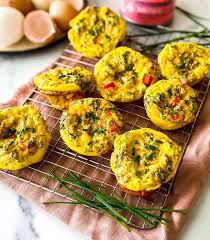
    Egg Muffins: Tiny Powerhouses

    Egg muffins are like mini omelets in muffin cups. They are packed with protein. They are also easy to customize.

    You can make a batch on the weekend.

    How to Make Them:
    Preheat your oven to 350°F (175°C). Grease a muffin tin well. Whisk 8-10 eggs in a bowl.

    Add a splash of milk or water. Season with salt and pepper. Then, add your favorite fillings.

    Chop them small.

    Pregnancy-Friendly Fillings:
    Veggies: Finely chopped spinach, bell peppers, onions, mushrooms, or broccoli. Make sure they are cooked if you prefer, or they will release water. Cheese: Shredded cheddar, mozzarella, or feta.

    Protein Boost: Crumbled cooked bacon or ham, or diced cooked chicken. Healthy Fats: A few diced avocado pieces added after baking or right before serving.

    Assembly: Spoon the egg mixture into the muffin cups, about 2/3 full. Bake for 15-20 minutes. Or until set.

    Let them cool completely. Store them in an airtight container in the fridge.

    How to Eat Them: They are great cold. Or you can warm them up slightly in the microwave. Pair them with a slice of whole-wheat toast or some fruit.

    Egg Muffin Ideas

    Spinach & Feta: Eggs, milk, spinach, feta cheese.

    Broccoli & Cheddar: Eggs, milk, cooked broccoli florets, cheddar cheese.

    Bell Pepper & Onion: Eggs, milk, sautéed bell peppers and onions.

    Yogurt Parfaits: Layers of Goodness

    Parfaits are pretty and delicious. They layer yogurt, fruit, and a crunch. You can assemble them the night before.

    Or prep the components separately.

    The Layers:
    1. Yogurt Base: Plain Greek yogurt is best for protein. You can also use regular plain yogurt or a dairy-free option.

    Sweeten lightly if needed with a touch of honey or maple syrup (if allowed in your pregnancy diet). 2. Fruit Layer: Fresh berries, sliced peaches, diced mango, or stewed apples.

    3. Crunch Layer: Granola (look for low sugar), chopped nuts, or seeds. Some people use toasted oats.

    Prep Method:
    Fully Assembled: If you’re eating them soon, layer everything in a jar or container. The granola might get a bit soft. Component Prep: Keep yogurt in one container, pre-cut fruit in another, and granola/nuts in a small baggie.

    Then you can quickly assemble them in the morning.

    Why they are great: They offer protein from the yogurt. Vitamins and fiber from the fruit. And healthy fats and crunch from the toppings.

    Parfait Topping Ideas

    Sweet & Tart: Mixed berries, plain yogurt, granola.

    Tropical: Mango, coconut yogurt, toasted coconut flakes.

    Classic: Sliced peaches, Greek yogurt, chopped pecans.

    Smoothies: Drink Your Nutrients

    Smoothies are fantastic for when you can’t face chewing. Or when you are really short on time. You can pack a lot of nutrition into a single glass.

    Smoothie Packs:
    The easiest way to prep is to make “smoothie packs.” In a freezer-safe bag or container, combine your chosen ingredients. Then, in the morning, just dump the pack into your blender. Add your liquid and blend.

    What to Put in Your Packs:
    Base Fruit: Berries, banana chunks, mango, pineapple. Greens: Spinach is mild and blends well. Kale can be stronger.

    Protein Boost: Greek yogurt (freeze it in scoops), protein powder, hemp seeds, or nut butter. Healthy Fats: Avocado chunks, chia seeds, flax seeds. * Liquid: Add milk, almond milk, water, or coconut water when blending.

    Important Tip: Don’t overfill your blender. Start with less liquid and add more until you get the right consistency.

    Sample Smoothie Pack Combinations

    Green Power: Spinach, banana, almond milk, protein powder, chia seeds.

    Berry Boost: Mixed berries, Greek yogurt, hemp seeds, water.

    Creamy Dreamy: Avocado, banana, cocoa powder, milk, nut butter.

    Muffins and Quick Breads (Healthier Versions)

    You can bake muffins or quick breads. Make them healthier by using whole-wheat flour. Add fruits and vegetables.

    And cut down on sugar.

    Ideas:
    Banana Bread: Use ripe bananas for sweetness. Add walnuts for healthy fats. Blueberry Muffins: Use whole-wheat flour and lots of blueberries.

    You can add a bit of yogurt to the batter for moisture. Zucchini Bread/Muffins: Grated zucchini adds moisture and nutrients. It has a mild flavor.

    Sweet Potato Muffins: Use mashed sweet potato for color, sweetness, and vitamins.

    Prep and Storage: Bake these at the start of the week. Let them cool fully. Store in an airtight container at room temperature for a few days.

    Or freeze them for longer storage. Thaw overnight or warm gently.

    Serving: These are great on their own. Or with a side of fruit or a glass of milk.

    Healthier Muffin/Bread Tips

    Flour Swap: Use at least half whole wheat flour.

    Sweetener Smart: Reduce sugar. Rely on fruit for sweetness.

    Add-ins: Boost fiber and nutrients with seeds, nuts, or fruits.

    Real-World Context: When and Where This Happens

    Life during pregnancy is a juggle. You’re managing appointments, work, and feeling your best. Having breakfast ready makes a big difference.

    Think about your typical morning. Are you rushing out the door? Do you hit a wall of nausea?

    Or maybe you just don’t have an appetite first thing?

    The Morning Rush: If you’re always pressed for time, grab-and-go is your best friend. Overnight oats or a pre-made smoothie pack means you eat something healthy in seconds. You can even eat it in the car if needed.

    Dealing with Nausea: For many, bland foods are key. Plain yogurt, oatmeal, or simple egg muffins can be easier to handle. Avoid strong smells or heavy foods.

    Cold foods are often better than hot ones.

    Low Appetite: If you don’t feel like eating much, a smoothie or a small portion of overnight oats is perfect. It’s easier to get nutrients in liquid form. You can sip on it.

    And it doesn’t feel as overwhelming.

    Weekend Prep Time: Set aside an hour or two on a weekend. This might be Sunday afternoon. You can make several days’ worth of breakfasts.

    This saves you stress during the busy work week. It’s an investment in your well-being.

    Choosing Your Prep Strategy

    Weekend Warrior: Make large batches of egg muffins, muffins, or bake granola. Store in freezer.

    Night Before Hero: Assemble overnight oats, portion smoothie packs, or prep parfait layers.

    Morning Miracle: Blend a quick smoothie with frozen fruit, yogurt, and milk.

    What This Means for You: When to Feel Good, When to Check In

    Having breakfast ready is about feeling more in control. It’s about giving your body the fuel it needs. Most of the time, these meal prep ideas are great for pregnancy.

    When it’s Normal and Good:
    You feel more energized. Your nausea is more manageable. You’re getting a variety of nutrients.

    You don’t feel so hungry and shaky mid-morning.

    When to Check In (with your doctor or midwife):
    If you are consistently unable to keep any food down. This could be a sign of severe nausea or hyperemesis gravidarum. If you are experiencing significant weight loss.

    If you have concerns about specific foods or ingredients. If you have gestational diabetes or other medical conditions that require a specific diet.

    Simple Checks:
    Hydration: Make sure you’re drinking enough water. Sometimes thirst can feel like hunger. Listen to Your Body: If a food that used to be fine now makes you feel sick, swap it out.

    Pregnancy changes things! * Small, Frequent Meals: If big breakfasts are too much, try eating half a prep item, then the other half later. Or have a few small snacks throughout the morning.

    Quick Scan: Is My Breakfast Helping?

    Good Sign: You feel a little more energy after eating.

    Good Sign: Your hunger pangs are lessened.

    Watch Out: You feel sick or have heartburn after eating.

    Watch Out: The food was too hard to prepare when you were feeling tired.

    Quick Tips for Success

    Here are a few extra tips to make your meal prep journey smoother.

    Use Your Freezer: Many breakfast items freeze well. Smoothie packs, muffins, and even some egg dishes can be frozen for longer storage. This means you can prep even more ahead of time.

    Invest in Good Containers: Airtight containers are crucial. Glass or BPA-free plastic ones work well. Having a variety of sizes is helpful.

    Mason jars are great for overnight oats and parfaits.

    Keep it Bland if Needed: If nausea is a big issue, stick to simple flavors. Plain yogurt, oatmeal without much seasoning, or plain eggs are good bets. You can add flavor once you’re feeling better.

    Don’t Aim for Perfect: Some days, you might just manage a banana. That’s okay! The goal is to do your best.

    And meal prep helps make doing your best much easier.

    Involve Your Partner or Family: If you have a partner or older children, ask for help. They can assist with shopping or simple prep tasks. It takes the pressure off you.

    Frequently Asked Questions About Pregnancy Breakfast Prep

    Can I eat raw eggs in my pregnancy breakfast?

    No, it’s generally advised to avoid raw or undercooked eggs during pregnancy. This is due to the risk of Salmonella. Stick to fully cooked eggs, like in hard-boiled eggs, scrambled eggs, or egg muffins.

    Is it safe to eat chia seeds during pregnancy?

    Yes, chia seeds are safe and beneficial during pregnancy. They are a good source of fiber, omega-3 fatty acids, and calcium. They are great in overnight oats or smoothies.

    Make sure to drink plenty of water when consuming chia seeds due to their fiber content.

    How much protein do I need at breakfast when pregnant?

    Protein needs increase during pregnancy. Aim for at least 15-25 grams of protein at breakfast. This can help you feel full and provide building blocks for your baby.

    Sources like Greek yogurt, eggs, and nuts can help you reach this goal.

    What if I can’t stand the smell of certain foods?

    This is very common during pregnancy! If a smell bothers you, avoid it. For meal prep, focus on foods with neutral or pleasant smells.

    Cold foods often have less smell than hot foods. Opt for smoothies, yogurt, or cold overnight oats.

    Can I use sweeteners like stevia or artificial sweeteners?

    Many artificial sweeteners are considered safe in moderation during pregnancy. However, it’s always best to check with your healthcare provider for personalized advice. Natural sweeteners like honey or maple syrup are generally fine in small amounts, but be mindful of added sugar.

    Using fruit for sweetness is often the best option.

    How long does prepped breakfast food last in the fridge?

    Most prepped breakfast items like overnight oats, egg muffins, and cut fruit should last 3-4 days in the refrigerator. Smoothies made without liquid can be frozen. Always store food in airtight containers.

    If something smells off or looks unusual, it’s best to discard it.

    Conclusion: Making Mornings Easier, One Meal at a Time

    Pregnancy is a unique journey. Your body is doing amazing work. Simple meal prep for breakfast can be a game-changer.

    It means you get the nutrients you need. It helps manage energy and nausea. You can enjoy tasty foods without the morning stress.

    Start small, pick your favorites, and enjoy the calm that comes with a prepared breakfast.

  • Budget Pregnancy Grocery List

    A budget pregnancy grocery list focuses on nutrient-dense foods that are affordable. It prioritizes whole grains, lean proteins, fresh or frozen produce, and healthy fats. Smart shopping involves meal planning, buying in season, and utilizing sales to ensure both maternal and fetal health without overspending.

    Understanding Your Pregnancy Grocery Needs

    Pregnancy changes your body. It also changes what your body needs. You need more vitamins and minerals.

    Things like folate, iron, and calcium are super important. These help your baby grow strong. They also keep you healthy.

    Eating well supports your energy levels. It can help with common pregnancy discomforts too. Things like morning sickness or constipation can get better with the right foods.

    The goal is nutrient density. This means getting the most goodness from the food you eat. It doesn’t mean eating twice as much.

    It means choosing foods packed with nutrients. Think of it as getting more bang for your buck. Your money goes further when the food is truly good for you.

    We are talking about foods that fuel growth and health.

    It’s also about balance. You need a mix of healthy foods. Carbohydrates give you energy.

    Proteins build tissues for you and the baby. Fats are vital for brain development. And you need lots of vitamins and minerals.

    Don’t forget fiber. It helps with digestion. This is a big plus during pregnancy.

    Staying regular is a relief.

    Many people worry about the cost of healthy food. It’s a valid concern. Especially with a baby on the way.

    But smart choices can make a huge difference. You can eat very well without spending a fortune. This guide will show you how.

    We focus on practical, everyday foods. Foods that are easy to find and prepare.

    My Pregnancy Grocery Shopping Journey

    I remember being pregnant with my first. I was so excited. I also felt a little overwhelmed.

    My budget wasn’t huge. I wanted to eat healthy. I saw all these “pregnancy superfoods” online.

    They often sounded expensive. Things like exotic berries or fancy fish.

    One evening, I stood in the grocery store aisle. I looked at the organic kale. It cost almost double the regular kind.

    I felt this pang of worry. How could I afford all this? I took a deep breath.

    I decided to go back to basics. I thought about what my grandmother ate. Simple, wholesome foods.

    I started making a list. I looked for sales. I learned to buy frozen veggies.

    They were just as good. And much cheaper.

    My biggest mistake at first was impulse buying. I’d see something “healthy” and grab it. Then I’d get home and realize I didn’t have a plan for it.

    Or it was too pricey. I learned to plan my meals. Just a few meals each week.

    Then I’d make my list based on that. It cut down on waste and saved money. It also made grocery shopping less stressful.

    I wasn’t guessing anymore. I knew what I needed.

    Building Your Budget-Friendly Pregnancy Plate

    Let’s break down the food groups. We want budget-friendly options for each. This will form the backbone of your list.

    Proteins: The Building Blocks

    Proteins are key for baby’s growth. And for your body’s needs. Lean meats are great.

    But they can be costly. Look for sales on chicken thighs or drumsticks. These are often cheaper than breasts.

    Ground turkey or chicken is also a good choice. You can use it in many dishes.

    Eggs are a true powerhouse. They are inexpensive. And packed with protein and nutrients like choline.

    Choline is vital for baby’s brain. Try to get a dozen every week. They are so versatile.

    Scrambled, boiled, in an omelet. The possibilities are endless.

    Beans and lentils are champions of the budget world. They are incredibly cheap. They are full of protein and fiber.

    And iron. This is fantastic for pregnant people. Dried beans are the most economical.

    You just need to soak them. Canned beans are faster. Just rinse them well.

    Use them in soups, stews, salads, or as a side.

    Canned fish like tuna or salmon can be good too. Choose options packed in water. They offer omega-3 fatty acids.

    These are great for baby’s brain and eyes. Just watch your intake of mercury. Limit consumption of larger fish.

    Protein Power on a Budget

    Eggs: Super affordable, packed with protein and choline. Great for quick meals.

    Beans & Lentils: Dry are cheapest. Offer protein, fiber, and iron. Use in soups, chilis, and salads.

    Chicken Thighs/Drumsticks: Often cheaper than breasts. Versatile for roasting or slow cooking.

    Ground Turkey/Chicken: Good for tacos, pasta sauce, and casseroles.

    Canned Tuna/Salmon (in water): Good source of omega-3s. Limit intake due to mercury concerns.

    Fruits and Vegetables: Vitamins and Fiber

    This is where fresh can be tricky on a budget. But it doesn’t have to be. Focus on what’s in season.

    Seasonal produce is usually cheaper and tastes better. In the summer, berries and peaches are great. In the fall, apples and squash shine.

    In the winter, citrus fruits are often a good deal.

    Frozen fruits and vegetables are your best friend. They are picked at peak ripeness. Then flash-frozen.

    This locks in nutrients. They are often cheaper than fresh. Especially out of season.

    They last a long time too. This means less waste. Stock up on frozen berries for smoothies.

    Frozen spinach is perfect for soups and eggs. Frozen broccoli and peas are easy sides.

    Root vegetables are usually affordable year-round. Carrots, potatoes, sweet potatoes, and onions. They store well.

    Sweet potatoes are loaded with Vitamin A. Essential for baby’s development. Potatoes provide potassium.

    Carrots give you beta-carotene.

    Don’t forget canned options. Canned tomatoes are a pantry staple. They are great for sauces and soups.

    Canned corn and peas can be convenient. Just check labels for added salt. Rinse them before using.

    Smart Produce Choices

    Frozen Fruits & Veggies: Nutritious, affordable, and last long. Ideal for smoothies, sides, and cooking.

    Seasonal Fresh Produce: Buy what’s in season for best price and flavor.

    Root Vegetables: Potatoes, sweet potatoes, carrots, onions are budget-friendly and store well.

    Canned Tomatoes: Versatile for sauces, soups, and stews.

    Bananas: Often the cheapest fruit. Good source of potassium.

    Whole Grains: Energy and Fiber

    Whole grains provide sustained energy. They are also a good source of fiber. This helps prevent constipation.

    Look for brown rice, whole wheat pasta, oats, and whole grain bread.

    Oatmeal is a breakfast staple. It’s very cheap. Especially rolled oats or steel-cut oats.

    They offer fiber and are filling. Start your day with a warm bowl. Add some frozen berries for sweetness and nutrients.

    Brown rice is more nutritious than white rice. It has more fiber and minerals. Buy it in larger bags for savings.

    It’s a great side dish for almost any meal.

    Whole wheat bread is a good choice for sandwiches. Check the ingredients. Make sure “whole wheat” is the first ingredient.

    Look for sales or store brands. Sometimes buying a loaf and freezing half is a good idea.

    Budget-Friendly Grains

    Oats (Rolled/Steel-Cut): Inexpensive, high in fiber, great for breakfast.

    Brown Rice: More nutrients and fiber than white. Buy in bulk for savings.

    Whole Wheat Bread: Choose loaves where whole wheat is the first ingredient.

    Whole Wheat Pasta: A good alternative to white pasta for added fiber.

    Healthy Fats: Brain Power

    Fats are important for baby’s brain. And for absorbing certain vitamins. You don’t need a lot.

    But choose healthy sources.

    Avocados can be pricey. Buy them when they are on sale. Or enjoy them as a treat.

    They are packed with good fats and folate.

    Nuts and seeds are good sources of fat. And protein. Almonds, walnuts, peanuts, sunflower seeds.

    Buy them in bulk if possible. Or look for store brands. A small handful is a healthy snack.

    You can also add seeds to oatmeal or yogurt.

    Olive oil is a staple for cooking. It’s a healthy monounsaturated fat. Buy a larger bottle when it’s on sale.

    It lasts a long time.

    Smart Fat Choices

    Olive Oil: For cooking and dressings. Buy larger bottles on sale.

    Nuts & Seeds: Almonds, walnuts, sunflower seeds offer healthy fats and protein. Buy in bulk.

    Avocados: Rich in healthy fats and folate. Buy when on sale.

    Dairy and Alternatives: Calcium Boost

    Calcium is crucial for baby’s bones. And yours. Milk, yogurt, and cheese are good sources.

    Choose plain yogurt. It’s cheaper than flavored. And you can add your own fruit.

    Greek yogurt offers more protein. It’s very filling.

    Milk is a good source of calcium and Vitamin D. Look for store brands or sales. If you prefer dairy-free, look for fortified plant milks.

    Soy milk and almond milk are common. Check labels to ensure they are fortified with calcium and Vitamin D.

    Cheese can be a good source of calcium. But it can be high in fat. Enjoy it in moderation.

    String cheese can be a convenient snack.

    Calcium Sources

    Milk: Good source of calcium and Vitamin D. Look for sales.

    Yogurt (Plain): High in protein and calcium. Add your own fruit.

    Fortified Plant Milks: Soy, almond, oat milk. Ensure they have added calcium and Vitamin D.

    Cheese: Good calcium source. Eat in moderation.

    Smart Shopping Strategies for Your List

    Having a list is one thing. Shopping smart is another. These tips can save you a lot of money.

    Meal Planning is Your Superpower

    This is the MOST important tip. Seriously. Before you even think about the grocery store, plan your meals.

    Even just for a few days. What will you eat for breakfast, lunch, and dinner? How many snacks will you need?

    Base your meals on what you have. And what’s on sale. If chicken thighs are cheap, plan a roast chicken dish.

    If beans are on sale, plan a chili or soup. This reduces food waste. It stops you from buying things you don’t need.

    Keep it simple. You don’t need gourmet meals. Think one-pot meals, simple stir-fries, pasta dishes, hearty soups.

    Foods that stretch and are easy to make.

    Once you have your meals planned, make your grocery list. Stick to it. Only buy what’s on the list.

    Shop Sales and Use Coupons

    Grocery stores have weekly flyers. Check them online or in the paper. See what’s on sale.

    Plan your meals around those items.

    Coupons can save money too. Look for digital coupons on store apps. Or manufacturer coupons online.

    Only use coupons for things you were going to buy anyway.

    Store brands are often much cheaper than name brands. And the quality is usually just as good. Try them out.

    You might be surprised.

    Buy in Bulk (Smartly)

    Some items are cheaper when bought in larger quantities. Things like rice, oats, dried beans, and pasta. If you have the space to store them, it can save money long-term.

    Be careful with perishables. Don’t buy a huge amount of fresh produce if you can’t eat it all before it spoils. That’s just wasting money.

    Consider freezing items you buy in bulk. Like bread, meat, or even some fruits and vegetables.

    Frozen and Canned are Your Friends

    We’ve talked about this. But it bears repeating. Frozen fruits and vegetables are nutritious and cost-effective.

    They last a long time. They prevent waste.

    Canned goods like tomatoes, beans, and corn are pantry staples. They are cheap and convenient. Just watch for added salt and sugar.

    Money-Saving Shopping Habits

    Meal Plan First: Build your grocery list around planned meals.

    Check Flyers: Plan meals around weekly sales.

    Use Store Brands: Often as good as name brands, but cheaper.

    Buy Bulk (Wisely): For non-perishables like rice, oats, beans.

    Embrace Frozen/Canned: Great value and nutrition.

    Avoid Impulse Buys: Stick to your list.

    Don’t Shop When Hungry

    This is a classic. When you’re hungry, everything looks good. You’ll buy more than you need.

    And likely less healthy options. Eat a snack before you go shopping.

    Compare Unit Prices

    Look at the small print on the shelf tag. It tells you the price per ounce or pound. This helps you compare different sizes and brands.

    The bigger package isn’t always cheaper per unit.

    Essential Nutrients for Pregnancy on a Budget

    Let’s touch on key nutrients. And how to get them affordably.

    Folate (Folic Acid)

    Crucial for preventing neural tube defects. It’s needed early in pregnancy. Even before you know you’re pregnant.

    • Sources: Leafy green vegetables (spinach, kale), beans, lentils, fortified cereals, oranges, avocados.
    • Budget Tip: Dried beans and lentils are very cheap. Frozen spinach is a great buy.

    Iron

    Your blood volume increases. You need iron to make more red blood cells. Iron deficiency anemia is common in pregnancy.

    • Sources: Red meat, poultry, fish, beans, lentils, fortified cereals, dark leafy greens.
    • Budget Tip: Lentils and beans are excellent plant-based iron sources. Chicken thighs are more affordable than red meat. Pair iron-rich plant foods with Vitamin C (like a squeeze of lemon or bell pepper) to boost absorption.

    Calcium

    For baby’s bones and teeth. And to maintain your bone density.

    • Sources: Dairy products (milk, yogurt, cheese), fortified plant milks, leafy greens (kale, broccoli), sardines (with bones).
    • Budget Tip: Plain yogurt and store-brand milk are cost-effective. Frozen broccoli is a good source.

    Vitamin D

    Works with calcium for bone health. Also important for the immune system.

    • Sources: Fatty fish (salmon), fortified milk and cereals, egg yolks, sunlight exposure (be cautious with sun exposure).
    • Dietary Budget Tip: Fortified milk and cereals are common. Eggs provide some. Often, a supplement is recommended.

    Omega-3 Fatty Acids (DHA)

    Vital for baby’s brain and eye development.

    • Sources: Fatty fish (salmon, sardines), walnuts, flaxseeds, chia seeds.
    • Budget Tip: Canned salmon is more affordable than fresh. Walnuts and seeds can be bought in bulk.

    Protein

    For growth and repair of tissues for both you and baby.

    • Sources: Meat, poultry, fish, eggs, dairy, beans, lentils, nuts, seeds, soy products.
    • Budget Tip: Eggs, beans, lentils, and chicken thighs are great budget protein sources.

    Sample Budget Pregnancy Grocery List

    This is a starting point. Adjust it based on sales and your preferences. Assume you have pantry staples like oil, salt, pepper, and basic spices.

    Proteins

    • 1 dozen Eggs
    • 1 lb Dried Lentils
    • 1 lb Dried Black Beans
    • 3 lb Chicken Thighs (or on sale cuts)
    • 1 can Tuna in water (low mercury option)

    Fruits & Vegetables

    • 1 bag Frozen Mixed Berries
    • 1 bag Frozen Spinach
    • 1 bag Frozen Broccoli Florets
    • 5 lbs Potatoes
    • 3 lbs Sweet Potatoes
    • 1 bag Carrots
    • 1 bag Onions
    • 5 Bananas
    • 2 lbs Apples (seasonal)
    • 1 can Diced Tomatoes
    • 1 can Corn (low sodium)

    Whole Grains

    • 1 container Rolled Oats
    • 1 bag Brown Rice
    • 1 loaf Whole Wheat Bread
    • 1 box Whole Wheat Pasta

    Dairy & Alternatives

    • 1 gallon Milk (or fortified plant milk)
    • 1 large tub Plain Yogurt

    Healthy Fats

    • 1 bottle Olive Oil (if needed)
    • 1 bag Walnuts or Almonds (small bag for snacks)

    This list focuses on versatile ingredients. You can make many meals with these. For example:
    Oatmeal with berries for breakfast.

    Lentil soup for lunch. Chicken thighs with roasted sweet potatoes and broccoli for dinner. Scrambled eggs with spinach and whole wheat toast.

    Bean chili. Tuna salad sandwiches.

    Dealing with Pregnancy Cravings on a Budget

    Cravings are real! They can be hard to manage, especially on a budget. Instead of buying expensive pre-packaged snacks, try making your own.

    Sweet Cravings

    • Instead of Cookies/Cake: Bake simple oatmeal cookies using oats, a little flour, sugar, and maybe some frozen berries. Or have a banana with a spoonful of peanut butter. Baked apples are also delicious and cheap.

    Salty/Savory Cravings

    • Instead of Chips: Make your own popcorn. It’s super cheap. Season it with a little salt or nutritional yeast for a cheesy flavor. Roasted chickpeas are also a great crunchy snack.

    Creamy Cravings

    • Instead of Ice Cream: Blend frozen bananas with a splash of milk. It creates a surprisingly creamy, ice-cream-like texture. Plain yogurt with fruit is also a good option.

    When to Consider Supplements

    Even with a great diet, it can be hard to get enough of certain nutrients. Especially iron and Vitamin D. Your doctor will likely recommend a prenatal vitamin.

    This is usually a wise investment.

    Prenatal vitamins provide key nutrients like folic acid, iron, calcium, and DHA. They fill the gaps. They are designed for pregnancy needs.

    Discuss with your healthcare provider which prenatal vitamin is best for you.

    Sometimes specific deficiencies are found. Like low iron. Your doctor might suggest an additional iron supplement.

    Always follow their advice. Don’t self-medicate or take extra supplements without talking to your doctor.

    Real-World Context: A Week of Budget Pregnancy Meals

    Let’s see how these ingredients come together.

    Sample Weekly Meal Ideas

    Monday:

    • Breakfast: Oatmeal with frozen berries.
    • Lunch: Lentil soup with whole wheat bread.
    • Dinner: Baked chicken thighs with roasted potatoes and carrots.

    Tuesday:

    • Breakfast: Scrambled eggs with spinach.
    • Lunch: Leftover chicken and roasted veggies.
    • Dinner: Black bean tacos with a side of corn.

    Wednesday:

    • Breakfast: Plain yogurt with banana slices and a sprinkle of nuts.
    • Lunch: Leftover bean tacos.
    • Dinner: Whole wheat pasta with a simple tomato sauce and ground turkey (if budget allows, or add more beans).

    Thursday:

    • Breakfast: Oatmeal with apple slices.
    • Lunch: Leftover pasta.
    • Dinner: Chicken and veggie stir-fry (using frozen broccoli, carrots, onions) with brown rice.

    Friday:

    • Breakfast: Whole wheat toast with eggs.
    • Lunch: Tuna salad sandwich on whole wheat bread.
    • Dinner: Hearty bean chili with a side of cornbread (homemade if possible).

    Saturday:

    • Breakfast: Yogurt with berries and nuts.
    • Lunch: Leftover chili.
    • Dinner: Roast chicken thighs with baked sweet potatoes and frozen peas.

    Sunday:

    • Breakfast: Oatmeal with banana.
    • Lunch: Leftovers or simple sandwiches.
    • Dinner: Use any remaining chicken/veggies for a “clean out the fridge” soup or casserole.

    What This Means for You: Peace of Mind

    Creating a budget pregnancy grocery list is about being smart. It’s about making intentional choices. You don’t need to buy expensive “superfoods.” You can nourish yourself and your baby with simple, wholesome foods.

    This approach reduces financial stress.

    It also means you are actively taking care of yourself and your growing family. Every meal is an opportunity to provide good nutrition. This is empowering.

    It’s about feeling in control of your health and your finances.

    Remember, this is a guide. Your budget is unique. Your needs are unique.

    Adapt these ideas to fit your life. The core principles remain: plan, shop smart, choose nutrient-dense foods, and don’t be afraid of budget-friendly staples.

    Quick Fixes and Tips

    Here are some final, quick tips to keep in mind.

    • Double a recipe: If you’re making chili or soup, make double. Freeze half for a future easy meal.
    • Utilize your freezer: Freeze leftover bread, fruit, or cooked grains.
    • “Use it up” meals: Designate one meal a week to use up odds and ends in your fridge.
    • Water is your best friend: Stay hydrated with plain water. It’s free and essential.
    • Cook in batches: Cook a big batch of brown rice or lentils at the start of the week.

    Frequently Asked Questions

    What are the most important nutrients for pregnancy?

    The most important nutrients include folate, iron, calcium, vitamin D, protein, and omega-3 fatty acids (DHA). These support fetal development and maternal health.

    Can I get enough iron from a budget diet?

    Yes, you can get enough iron from budget-friendly foods like lentils, beans, spinach, and chicken thighs. Pairing these with vitamin C-rich foods helps boost iron absorption.

    Are frozen fruits and vegetables as healthy as fresh?

    Often, yes. Frozen produce is typically picked at peak ripeness and flash-frozen, preserving most of its nutrients. They are also usually more affordable and last longer, reducing waste.

    How often should I eat fish during pregnancy?

    Aim for 2-3 servings of low-mercury fish per week. Options like salmon, sardines, and canned light tuna are good choices. Avoid shark, swordfish, king mackerel, and tilefish due to high mercury levels.

    What is the best way to save money on groceries while pregnant?

    The best ways include meal planning, shopping sales, using store brands, buying in bulk for non-perishables, and choosing budget-friendly staples like beans, lentils, oats, and frozen produce.

    Is it okay to eat non-organic produce on a budget pregnancy diet?

    Yes, it is absolutely okay. While organic can be preferable, non-organic produce is still very nutritious and a great way to get essential vitamins and minerals on a budget. Focus on washing all produce thoroughly.

    Do I need to take a prenatal vitamin if I eat healthy?

    It is highly recommended to take a prenatal vitamin even with a healthy diet. They ensure you get crucial nutrients like folic acid and iron that can be hard to obtain in sufficient amounts through food alone. Always consult your doctor.

    Final Thoughts

    Eating well during pregnancy doesn’t have to strain your wallet. By planning, shopping smart, and focusing on nutrient-rich staples, you can create a healthy and affordable grocery list. You’ve got this!

  • 30 Minute Pregnancy Dinners

    Trying to get a healthy meal on the table when you’re pregnant can feel like a huge challenge. You’re tired, maybe a little nauseous, and the last thing you want to do is spend hours in the kitchen. But you also know how important good food is for you and your growing baby.

    It’s a constant balancing act, isn’t it?

    You’re not alone in this. Many expecting parents struggle to find time for nutritious meals. This is especially true during those busy weeknights when work, appointments, and just life itself get in the way.

    What if you could have delicious, safe, and healthy dinners ready in about 30 minutes? That’s exactly what we’re diving into today.

    We’ll explore simple recipes and smart strategies to make mealtime easier. You’ll learn how to whip up satisfying meals without the stress. Get ready to discover how to eat well, even when time is super short.

    Quick 30-minute pregnancy dinners are essential for expecting mothers. These meals balance nutritional needs with busy schedules. They offer simple, safe, and healthy options for fast weeknight eating.

    The focus is on ease, speed, and the well-being of both mother and baby. You can create satisfying meals in about half an hour.

    What Are 30 Minute Pregnancy Dinners?

    Simply put, these are meals designed to be fully prepared and on your plate within 30 minutes. They take into account what pregnant women need. This includes plenty of nutrients.

    They also avoid certain foods that aren’t safe during pregnancy. The goal is to make healthy eating easy and fast.

    Think of it as smart cooking. It’s about using ingredients that cook quickly. It’s also about having a plan.

    These dinners help you get the vitamins and minerals you need. They keep you feeling full and energized. And they don’t require a lot of fussy steps.

    You can enjoy a good meal without the kitchen chaos.

    Why Are Quick Pregnancy Meals So Important?

    Pregnancy brings so many changes. Your body is working hard. You might experience fatigue.

    Morning sickness can make cooking unappealing. Yet, your nutritional needs are higher than ever. The baby needs good food to grow strong.

    You need energy to get through your day.

    Having quick meal options means you’re less likely to reach for unhealthy convenience foods. These often lack the nutrients you need. They can also be high in things like sodium or sugar.

    Quick meals help you stay on track with a balanced diet. They support your baby’s development. They also help you manage your own energy levels.

    My Own Pregnancy Dinner Dash

    I remember one particular Tuesday evening. I was about six months pregnant. My partner was working late.

    I’d just finished a long day at work. My stomach was rumbling, but the thought of chopping veggies and standing over a hot stove felt overwhelming. I stared into the fridge, feeling a mix of hunger and dread.

    What could I possibly make? I felt so tired.

    I saw some leftover cooked chicken, a bag of spinach, and a carton of cherry tomatoes. My mind raced. Could I just toss it all together?

    Then I remembered a simple pasta dish I sometimes make. It uses pre-cooked chicken and a quick sauce. I grabbed a box of whole wheat pasta.

    Within 25 minutes, I had a warm, filling bowl of pasta with chicken, spinach, and tomatoes. It wasn’t fancy, but it was healthy, safe for pregnancy, and exactly what I needed. That moment taught me the real value of a quick, go-to meal.

    Quick Meal Ingredient Wins

    Smart Staples: Keep your pantry stocked with versatile items. Think whole wheat pasta, quinoa, brown rice, canned beans, and low-sodium broth. These cook fast and are super healthy.

    Frozen Heroes: Don’t underestimate frozen fruits and veggies! They are picked at peak freshness and retain most nutrients. They are pre-chopped, saving you loads of time.

    Great for stir-fries or smoothies.

    Pre-Cooked Proteins: Rotisserie chicken is a lifesaver. You can also buy pre-cooked shrimp or lentils. These add protein without the cooking time.

    Flavor Boosters: Keep jars of salsa, pesto, or marinara sauce on hand. Fresh herbs and spices can also elevate a simple dish.

    Essential Nutrients for Pregnancy Meals

    When you’re aiming for quick dinners, it’s easy to forget about nutrition. But pregnancy meals need specific nutrients. Your growing baby depends on them.

    Let’s break down a few key ones and how to get them fast.

    Protein: This is vital for your baby’s growth. It also helps you feel full. Good sources include chicken, fish, beans, lentils, tofu, and eggs.

    Pre-cooked options or quick-cooking fish like salmon are great. Aim for a good portion in your 30-minute meals.

    Iron: You need more iron during pregnancy. It helps carry oxygen to your baby. Lean red meat, beans, spinach, and fortified cereals are good sources.

    Cooking with cast iron can also boost iron content. Combine iron-rich foods with Vitamin C to help your body absorb it better.

    Folate (Folic Acid): This is super important early on for brain and spinal cord development. Leafy greens like spinach and kale are packed with folate. Lentils and beans are also good sources.

    Many grains are fortified with folic acid too.

    Calcium: Builds your baby’s bones and teeth. It’s also important for your own bone health. Dairy products like milk and yogurt are easy calcium sources.

    Leafy greens and fortified plant milks work too. A quick yogurt parfait or a cheesy quesadilla can help.

    Omega-3 Fatty Acids (DHA): Crucial for your baby’s brain and eye development. Fatty fish like salmon and sardines are excellent sources. If you don’t eat fish, talk to your doctor about DHA supplements.

    You can also find DHA in fortified eggs or walnuts.

    Pregnancy-Safe Foods to Include

    The good news is that many healthy foods are safe and perfect for quick pregnancy meals. You don’t have to completely change your diet. It’s more about smart choices and preparation.

    Lean Proteins: Chicken breast, turkey, lean beef, salmon, tuna (canned light, in moderation), shrimp, eggs, beans, lentils, tofu, and tempeh. These cook quickly or can be pre-cooked.

    Whole Grains: Whole wheat pasta, brown rice, quinoa, oats, whole grain bread. These provide fiber and sustained energy.

    Fruits and Vegetables: A wide variety is best! Berries, apples, bananas, oranges, broccoli, spinach, kale, bell peppers, carrots, sweet potatoes. Fresh or frozen, they all offer vital nutrients.

    Healthy Fats: Avocados, nuts, seeds, olive oil. These are great for brain development and energy.

    Dairy (Pasteurized): Milk, yogurt, cheese. Ensure they are pasteurized. These are good for calcium and protein.

    Quick Dinner Idea Spotlight: Speedy Salmon & Asparagus

    Why it works: Salmon cooks in about 10-15 minutes. Asparagus steams or roasts quickly. It’s packed with Omega-3s and protein.

    Prep: Preheat oven to 400°F (200°C). Toss asparagus with olive oil, salt, and pepper. Place salmon fillets on a baking sheet.

    Drizzle with olive oil, lemon juice, salt, and pepper.

    Cook: Roast asparagus for 10-12 minutes. Bake salmon for 12-15 minutes, until cooked through and flakes easily. Serve together.

    Time: ~25 minutes.

    Foods to Limit or Avoid During Pregnancy

    Safety is key during pregnancy. Some foods carry a risk of foodborne illness. Others can harm your baby’s development.

    Knowing what to avoid helps you make safe choices for your quick meals.

    Raw or Undercooked Meats and Seafood: This includes sushi with raw fish, raw oysters, and undercooked burgers. These can harbor bacteria like Listeria or Salmonella.

    High-Mercury Fish: Limit or avoid fish like shark, swordfish, king mackerel, and tilefish. These contain high levels of mercury, which can affect your baby’s nervous system. Stick to lighter canned tuna, salmon, or shrimp.

    Unpasteurized Dairy and Juices: Listeria can be found in unpasteurized milk and cheeses (like soft cheeses made with raw milk). Always check labels to ensure products are pasteurized.

    Raw Sprouts: Alfalfa, clover, radish, and mung bean sprouts can contain harmful bacteria. Cook them thoroughly if you choose to eat them.

    Deli Meats and Hot Dogs (Unless Heated Thoroughly): These can be a source of Listeria. If you eat them, heat them until steaming hot. This kills most harmful bacteria.

    For quick meals, pre-cooked chicken or canned tuna is safer.

    Raw Eggs: Avoid raw or undercooked eggs, found in homemade mayonnaise, hollandaise sauce, or certain desserts. They can carry Salmonella.

    Quick Meal Strategies for Busy Evenings

    It’s not just about recipes; it’s about your approach. Having a strategy makes those 30-minute meals a reality, not a pipe dream.

    1. Meal Planning Basics

    Even a simple plan makes a huge difference. Think about what you’ll eat for dinner a few days ahead. Write it down.

    This stops you from staring blankly into the fridge. It also helps with grocery shopping. You buy only what you need.

    Try planning just 2-3 dinners a week. Use your 30-minute ideas for those nights. For other nights, you can rely on leftovers or simple meals like scrambled eggs and toast.

    2. Embrace the “Cook Once, Eat Twice” Method

    This is a game-changer for quick meals. When you’re already cooking something, make a little extra. Cooked chicken breasts can become chicken salad sandwiches the next day.

    Extra cooked rice can be used for fried rice. A big batch of roasted vegetables can be added to salads or wraps.

    This strategy means you have pre-cooked components ready to go. It cuts down on prep time significantly for future meals. You’re essentially giving future-you a gift of time.

    “Cook Once, Eat Twice” Example

    Monday Dinner: Bake a large chicken breast. Serve with roasted broccoli and quinoa.

    Tuesday Lunch: Use the leftover chicken for a chicken salad wrap with whole wheat tortillas, lettuce, and tomato. Serve with a side of baby carrots.

    Wednesday Dinner: Make a quick stir-fry with mixed frozen vegetables, the remaining chicken (chopped), and a store-bought stir-fry sauce served over brown rice.

    Benefit: You only baked chicken once. You saved time on two other meals.

    3. Prep Ahead When You Have Energy

    If you have a bit of energy on a weekend or a less busy evening, do some prep work. Wash and chop vegetables. Pre-cook grains like rice or quinoa.

    Make a batch of salad dressing. Portion out snacks.

    Having ingredients ready to grab makes cooking during the week so much faster. Store chopped veggies in airtight containers in the fridge. They’ll be good for a few days.

    This small effort pays off big time when you’re short on time and energy.

    4. Utilize Shortcuts Wisely

    Don’t feel guilty about using some store-bought shortcuts. Pre-cut vegetables, rotisserie chicken, jarred sauces, and bagged salad mixes can be your best friends. They are designed to save you time.

    The key is to choose healthier versions. Look for low-sodium sauces. Opt for whole grain pasta.

    Read labels. These shortcuts help you get a nutritious meal on the table quickly without sacrificing too much quality.

    5. Keep a “Quick Meal” Recipe Bank

    Jot down or save your favorite 30-minute meal ideas. Have a go-to list ready. When you’re tired, you can just look at your list and pick something.

    You won’t have to think hard.

    This bank can include a mix of quick pastas, stir-fries, loaded salads, simple soups, and wraps. Having a few go-to recipes in rotation makes mealtime decisions effortless.

    My Go-To Quick Meal List (Pregnancy Approved!)

    • Sheet Pan Lemon Herb Chicken & Veggies: Chicken pieces, broccoli, bell peppers, onions tossed with olive oil, lemon, herbs. Roast at 400°F (200°C) for 20-25 mins.
    • Quick Lentil Soup: Use pre-cooked lentils or canned ones. Sauté onion, carrot, celery. Add broth, lentils, diced tomatoes, herbs. Simmer for 15-20 mins.
    • Shrimp Scampi with Zucchini Noodles: Sauté shrimp with garlic, lemon, butter. Toss with spiralized zucchini noodles. Ready in 10 mins!
    • Black Bean Burgers on Whole Wheat Buns: Use pre-made, pregnancy-safe black bean burgers. Serve on buns with lettuce, tomato, avocado. Quick and filling.
    • Tuna Melts on Whole Grain Bread: Mix canned light tuna with Greek yogurt or mayo, celery. Top with cheese, grill until melty.

    Simple 30-Minute Pregnancy Dinner Recipes

    Here are a few more ideas that fit the bill. They are designed for speed and nutrition during pregnancy.

    1. Speedy Chicken & Veggie Skillet

    This is a one-pan wonder. It uses pre-cooked chicken or quickly sautéed chicken breast. Frozen mixed vegetables cut down on chopping.

    Ingredients: 1 tbsp olive oil, 1 lb boneless, skinless chicken breast (cubed) OR 2 cups pre-cooked chicken, 1 cup chopped onion, 2 cloves garlic (minced), 4 cups frozen mixed vegetables (like peas, carrots, corn, green beans), 1/2 cup low-sodium chicken broth, 1 tsp dried Italian seasoning, salt and pepper to taste.

    Instructions: Heat olive oil in a large skillet over medium-high heat. If using raw chicken, add it and cook until browned and cooked through. Remove chicken and set aside.

    Add onion to the skillet and cook until softened, about 3 minutes. Add garlic and cook for 30 seconds more. Add the frozen vegetables and chicken broth.

    Bring to a simmer. Stir in Italian seasoning, salt, and pepper. Return chicken to the skillet.

    Cover and cook for 5-7 minutes, or until vegetables are tender and chicken is heated through. Serve hot.

    Why it’s great: Quick, balanced, and customizable. Easy to pack with nutrients.

    2. Quick Black Bean & Corn Quesadillas

    These are incredibly fast and satisfying. They use pantry staples and require minimal effort.

    Ingredients: 1 (15 oz) can black beans (rinsed and drained), 1 cup corn (frozen or canned, drained), 1/2 tsp cumin, 1/4 tsp chili powder, 4 whole wheat tortillas, 1 cup shredded cheddar or Monterey Jack cheese (pasteurized), optional: salsa, avocado, Greek yogurt for topping.

    Instructions: In a bowl, mash about half of the black beans with a fork. Stir in the remaining whole beans, corn, cumin, and chili powder. Mix well.

    Lay out two tortillas. Sprinkle half the cheese over one half of each tortilla. Spoon half of the bean and corn mixture over the cheese.

    Sprinkle the remaining cheese over the mixture. Fold the other half of the tortilla over the filling. Repeat for the second quesadilla.

    Heat a lightly oiled skillet or griddle over medium heat. Cook quesadillas for 3-4 minutes per side, until golden brown and cheese is melted. Cut into wedges and serve with your favorite toppings.

    Why it’s great: High in fiber and protein. Vegetarian-friendly and very adaptable.

    3. Speedy Salmon with Quinoa and Steamed Greens

    This meal feels fancy but is surprisingly fast. Salmon cooks while your quinoa steams.

    Ingredients: 2 salmon fillets (about 4-6 oz each), 1 tbsp olive oil, salt, pepper, 1 lemon (half juiced, half sliced), 1 cup cooked quinoa (use quick-cooking or pre-cooked), 2 cups fresh spinach or kale.

    Instructions: Preheat oven to 400°F (200°C). Pat salmon fillets dry. Place them on a baking sheet lined with parchment paper.

    Drizzle with olive oil, season with salt and pepper. Squeeze lemon juice over the top and place lemon slices on the fillets. Bake for 12-15 minutes, or until salmon is cooked through and flakes easily with a fork.

    While salmon bakes, steam your spinach or kale for 2-3 minutes until wilted. Warm your cooked quinoa. Serve salmon fillets over a bed of quinoa with the steamed greens on the side.

    Why it’s great: Packed with Omega-3s, protein, and fiber. Very nutrient-dense.

    4. Quick Chicken Stir-Fry with Brown Rice

    Stir-fries are fantastic for using up odds and ends and cooking quickly.

    Ingredients: 1 tbsp sesame oil, 1 lb boneless, skinless chicken breast (thinly sliced), 1 clove garlic (minced), 1 tsp grated fresh ginger, 4 cups mixed stir-fry vegetables (fresh or frozen, like broccoli florets, bell peppers, snap peas, carrots), 1/4 cup low-sodium soy sauce or tamari, 1 tbsp honey or maple syrup, 1 tsp cornstarch (mixed with 2 tbsp water), cooked brown rice for serving.

    Instructions: Heat sesame oil in a large skillet or wok over high heat. Add chicken and stir-fry until browned and cooked through, about 5-7 minutes. Remove chicken from skillet.

    Add garlic and ginger to the skillet and stir-fry for 30 seconds until fragrant. Add mixed vegetables and stir-fry for 5-7 minutes until tender-crisp. In a small bowl, whisk together soy sauce and honey.

    Pour into the skillet. Add the cornstarch slurry and stir until the sauce thickens. Return the chicken to the skillet and toss to coat.

    Serve immediately over cooked brown rice.

    Why it’s great: Versatile, fast, and a great way to get lots of veggies.

    Infographic: Quick Meal Balancing Act

    Element: Protein | Benefit: Baby’s growth, Mom’s fullness | Quick Sources: Rotisserie chicken, canned beans, eggs, quick-cook fish

    Element: Veggies | Benefit: Vitamins, Minerals, Fiber | Quick Sources: Frozen mixes, pre-cut bags, baby carrots

    Element: Healthy Fats | Benefit: Brain Development | Quick Sources: Avocado, nuts, seeds, olive oil

    Element: Whole Grains | Benefit: Energy, Fiber | Quick Sources: Quick-cook quinoa, whole wheat pasta, brown rice

    Element: Hydration | Benefit: Mom & Baby Health | Quick Sources: Water, herbal tea, milk

    Real-World Scenarios for Fast Dinners

    Let’s talk about when these quick dinners really shine. They aren’t just for emergencies; they are for everyday life during pregnancy.

    The Evening Commute Rush

    You’ve just gotten home. You’re exhausted. The baby is probably fussing.

    The idea of cooking feels impossible. This is where a pre-planned 30-minute meal saves the day. You grab your ingredients, follow a simple recipe, and have a healthy dinner on the table without a meltdown.

    It’s about survival and sustenance.

    Sudden Cravings or Aversions

    Some days, you might crave something specific, or a certain food might suddenly seem unappealing. Quick meals allow you to pivot. If you suddenly can’t stand the smell of the chicken you planned, you can whip up a quick bean quesadilla instead.

    Flexibility is key when your body is constantly changing.

    Managing Gestational Diabetes

    For those managing gestational diabetes, balanced, quick meals are critical. They help keep blood sugar levels stable. Focusing on lean proteins, non-starchy vegetables, and controlled portions of complex carbohydrates is easier with planned, fast recipes.

    You avoid the temptation of high-sugar processed foods when you have a healthy option ready.

    Weekends When You Want to Relax

    Even on weekends, you might not want to spend hours in the kitchen. A 30-minute meal allows you to enjoy your downtime. You can cook a good meal and still have plenty of time to put your feet up, read a book, or take a nap.

    Postpartum Preparation

    Many of these quick recipes are also perfect for the postpartum period. When you’re recovering and caring for a newborn, easy meals are essential. Cooking some of these recipes now means you’ll have a repertoire ready for when the baby arrives.

    It’s future-you planning.

    What This Means for You: When is it Normal? When to Worry?

    Knowing what’s normal and when to seek advice is important. For quick dinners, it means understanding your body’s signals and the food you’re eating.

    When a Quick Dinner is Perfectly Normal:

    It’s normal to rely on quick meals multiple times a week during pregnancy. Your energy levels fluctuate. Time is often scarce.

    If you are consistently getting a balanced meal with protein, vegetables, and healthy carbs, you’re doing great. It’s normal to feel satisfied and well-nourished, even if the meal wasn’t gourmet.

    When to Pay Extra Attention or Worry:

    Lack of Variety: If you find yourself eating the exact same quick meal every single night, you might be missing out on essential nutrients. Try to rotate your options.

    Reliance on Unhealthy Shortcuts: If your “quick meals” are mostly processed snacks or fast food because you have no time for anything else, that’s a concern. Focus on healthier shortcuts.

    Food Safety Concerns: If you’re unsure if a food is safe or properly cooked, err on the side of caution. When in doubt, don’t eat it. This is especially true for meats, seafood, and dairy.

    Persistent Nausea or Aversions: If nausea or strong aversions prevent you from eating any protein or healthy foods for extended periods, talk to your doctor. They can offer guidance or suggest safe supplements.

    Weight Gain Concerns: If you have concerns about your weight gain (too much or too little), discuss it with your healthcare provider. They can assess your diet and provide personalized advice.

    Simple Checks for Your Quick Meals:

    Protein Check: Does your meal have a good source of protein? About the size of your palm.

    Veggies Check: Is there at least one serving of colorful vegetables? Aim for half your plate.

    Grain Check: Is there a source of whole grains for energy? A small portion is usually enough.

    Safety Check: Are all ingredients safe for pregnancy? Is everything cooked thoroughly?

    Quick Tips for Pregnancy Mealtime Success

    These are small but mighty tips to make your 30-minute dinners a breeze.

    • Keep a Grocery List Handy: Always have a pen and paper or a note app on your phone. Jot down items as you run out. This makes shopping lists quick to build.
    • Double Up on Grains: If you’re cooking quinoa or brown rice for one meal, make double. Store the extra in the fridge for another quick meal later in the week.
    • Utilize Your Freezer: Freeze pre-portioned smoothie packs (fruit, spinach, protein powder). Freeze leftover soup or chili in single servings.
    • Invest in Good Containers: Airtight containers are key for storing prepped ingredients and leftovers. They keep food fresh and prevent freezer burn.
    • Stay Hydrated: Sometimes thirst can feel like hunger. Drink a glass of water before you start cooking. It can help you feel more satisfied.
    • Simplify Your Spices: Have a few go-to spice blends. A simple salt, pepper, garlic powder, and Italian seasoning mix can flavor many dishes.
    • Don’t Aim for Perfection: A simple, healthy meal is far better than no meal or an unhealthy one. Give yourself grace.

    Frequent Questions About 30 Minute Pregnancy Dinners

    Can I use canned tuna for pregnancy dinners?

    Yes, light canned tuna is generally considered safe in moderation. Limit it to about two servings (around 6 ounces total) per week. Avoid albacore tuna, which has higher mercury levels.

    It’s a great protein source for quick meals like tuna melts or tuna salad.

    What if I have severe morning sickness and can’t cook?

    If cooking is impossible due to severe morning sickness, focus on very simple options you can stomach. Think plain yogurt with berries, dry toast, crackers, or pre-made smoothies. Reach out to your doctor; they may have resources or suggest specific dietary approaches.

    Sometimes cold foods are better tolerated.

    Are pre-made frozen meals safe during pregnancy?

    Some are. Always check the ingredients and nutritional information. Look for options that are low in sodium and have a good balance of protein and vegetables.

    Avoid meals with raw seafood or unpasteurized ingredients. Reading labels carefully is crucial.

    How can I get enough calcium in quick dinners?

    Easy ways include adding cheese (pasteurized) to quesadillas or pasta. Opt for yogurt-based sauces or toppings. Many leafy greens like kale also provide calcium.

    Some plant milks and juices are fortified with calcium. A quick glass of milk is also a good option.

    Is it okay to eat deli meat on a sandwich for dinner?

    Deli meats can be a source of Listeria, which is harmful during pregnancy. It’s best to avoid them unless they are heated until steaming hot. For quick dinners, consider using pre-cooked rotisserie chicken, canned tuna, or leftover cooked meats instead for a safer option.

    What are some good quick protein sources for vegetarian pregnancy dinners?

    Excellent options include canned or pre-cooked lentils, black beans, chickpeas, tofu, tempeh, and edamame. Hummus is also a good choice for wraps or as a dip. Make sure to pair them with whole grains and plenty of vegetables.

    Conclusion: Nourishing Your Pregnancy, Simply

    Pregnancy is a journey of incredible change. You deserve meals that support you without adding extra stress. These 30-minute dinner ideas are designed to give you exactly that.

    They offer quick, healthy, and safe options for busy expecting mothers.

    Remember to plan, use smart shortcuts, and listen to your body. You’ve got this! Enjoy these simple meals and the wonderful journey of growing your baby.

  • Pregnancy Smoothie Recipes

    Navigating pregnancy brings so many questions, especially about what’s best for you and your growing baby. Food is a big one. You want to feel nourished and energized, but also safe.

    Smoothies can be a fantastic way to pack in nutrients, but it’s easy to get confused about what’s truly good for you during this special time.

    Pregnancy smoothie recipes focus on nutrient-dense ingredients that are safe for expectant mothers. These include fruits, vegetables, healthy fats, and protein sources, while avoiding certain ingredients like unpasteurized dairy or high-mercury fish. The goal is to support maternal health and fetal development with balanced nutrition.

    Understanding Pregnancy Nutrition Needs

    Your body is doing amazing work. It needs extra support. This means more vitamins and minerals.

    Protein is key for your baby’s growth. Calcium helps build their bones. Iron prevents anemia, which is common in pregnancy.

    Fiber keeps your digestion happy. And healthy fats are vital for brain development.

    But it’s not just about adding things. It’s also about what to leave out. Certain foods can carry risks.

    We need to be mindful of these to keep you and your baby safe. Think about what your body truly needs right now. Every ingredient should have a purpose.

    Why Smoothies Are a Great Pregnancy Choice

    Let’s talk about why smoothies are so good. Sometimes, you just don’t feel like eating. Or maybe you’re feeling nauseous.

    A smoothie can be gentle on your stomach. It’s easy to drink. You can also hide healthy stuff in there.

    Your baby might not even know they’re eating kale!

    You can control everything that goes in. This is a huge plus for pregnant women. You know exactly what you’re consuming.

    Plus, you can tailor them to your cravings. Craving something sweet? A fruit smoothie can hit the spot.

    Feeling a bit drained? Add some energizing ingredients.

    My Smoothie Story: A Moment of Realization

    I remember being about five months pregnant. My energy levels were dipping. I was also starting to get a bit bored with my usual meals.

    I saw a recipe online for a green smoothie. Honestly, the thought of drinking something green that wasn’t a salad seemed a bit much. But I was tired.

    My partner encouraged me to try it.

    I gathered the ingredients: spinach, banana, almond milk, a spoonful of almond butter. I tossed it all in the blender. It whirred to life.

    The color was… surprisingly not as scary as I imagined. I took a sip. It was creamy, a little sweet from the banana, and I couldn’t taste the spinach at all!

    It was refreshing. I felt a little boost of energy right after. That’s when I realized smoothies could be a real lifesaver during pregnancy.

    They were a simple way to get nutrients without a lot of fuss.

    Key Pregnancy Smoothie Boosters

    Fruits: Berries, bananas, mangoes, pears are great. They offer vitamins and natural sweetness.

    Veggies: Spinach and kale are easy to hide. They add vitamins and minerals.

    Protein: Greek yogurt, protein powder (safe types), nut butters help you feel full.

    Healthy Fats: Avocado, chia seeds, flax seeds support baby’s brain. They also add creaminess.

    Liquids: Water, milk (dairy or non-dairy), unsweetened coconut water are good choices.

    Essential Ingredients for Healthy Pregnancy Smoothies

    Let’s break down what makes a pregnancy smoothie safe and beneficial. We want to focus on whole, natural foods. Think of your smoothie as a nutritional powerhouse.

    Fruits: Nature’s Sweetness and Vitamins

    Fruits are fantastic. They are packed with vitamins, minerals, and fiber. They also provide natural sweetness.

    This can curb those sugar cravings in a healthier way.

    • Berries: Strawberries, blueberries, raspberries are loaded with antioxidants and vitamin C. They are generally low in sugar.
    • Bananas: A great source of potassium. They add natural sweetness and a creamy texture.
    • Mangoes: Rich in vitamins A and C. They give a lovely tropical flavor.
    • Pears: Good source of fiber. They are mild in flavor and blend well.

    Vegetables: The Sneaky Nutrients

    This is where you can really boost the nutrient content without changing the taste too much. Don’t be afraid of a little green!

    • Spinach: It’s mild. You can add a large handful, and you likely won’t taste it. It’s high in folate, iron, and vitamins.
    • Kale: A bit stronger in flavor than spinach. Start with smaller amounts if you’re new to it. It’s a nutrient dense superfood.
    • Cucumber: Adds hydration and a refreshing taste. It’s very mild.

    Protein Sources: For You and Baby

    Protein is vital for your baby’s development. It also helps you feel full and satisfied. This can prevent overeating.

    • Greek Yogurt: Excellent source of protein and calcium. Choose plain, unsweetened varieties.
    • Nut Butters: Almond butter, peanut butter add protein and healthy fats. Make sure they are natural with no added sugars.
    • Seeds: Chia seeds, flax seeds, hemp seeds offer protein, fiber, and omega-3 fatty acids.
    • Protein Powders: Use with caution. Look for pregnancy-safe options. Whey or plant-based powders are usually fine if they are free of contaminants. Always check the label and consult your doctor if unsure.

    Healthy Fats: Brain Power Boosters

    Fats are not the enemy! Healthy fats are crucial for your baby’s brain and eye development. They also help you absorb fat-soluble vitamins.

    • Avocado: Adds amazing creaminess and healthy monounsaturated fats. It’s also a good source of fiber.
    • Chia Seeds: Rich in omega-3s, fiber, and protein. They also thicken the smoothie.
    • Flax Seeds: Another great source of omega-3s and fiber. Grind them for better absorption.

    Liquids: The Blending Base

    You need a liquid to get everything moving in the blender. Choose wisely to keep it healthy.

    • Water: The simplest, calorie-free option.
    • Milk: Dairy milk provides calcium and vitamin D.
    • Non-Dairy Milk: Almond milk, soy milk, oat milk are good alternatives. Choose unsweetened versions.
    • Coconut Water: Hydrating and contains electrolytes.

    Quick Scan: Smoothie Ingredient Safety

    Good to Include Use with Caution / Avoid
    Pasteurized yogurt Unpasteurized dairy products
    Cooked oats Raw sprouts (e.g., alfalfa, clover)
    Nut butters (natural) Herbal supplements unless cleared by doctor
    Well-washed fruits & veggies High-mercury fish (in smoothies or otherwise)
    Pregnancy-safe protein powders Raw eggs

    Ingredients to Avoid or Be Cautious With

    This is a really important section. Safety first, always. Some ingredients, while fine for others, can pose a risk during pregnancy.

    Unpasteurized Dairy Products

    This includes unpasteurized milk, yogurt, and soft cheeses. These can contain harmful bacteria like Listeria. Always check labels to ensure products are pasteurized.

    Raw Eggs

    Raw eggs carry a risk of Salmonella. This can cause serious illness. Avoid any recipes that call for raw eggs, including in smoothies.

    Ensure any eggs you consume are fully cooked.

    High-Mercury Fish

    While not common in smoothies, some people might think about adding fish oil supplements or even powdered fish. Certain fish have high levels of mercury, which can harm a baby’s developing nervous system. Stick to low-mercury fish like salmon if you’re considering fish oil, or focus on plant-based omega-3s.

    Certain Herbal Supplements

    Many herbs are safe, but some can have potent effects. Always talk to your doctor before adding any herbal supplements or teas to your smoothies. Some herbs can stimulate uterine contractions or interfere with pregnancy.

    Caffeine

    Limit your caffeine intake. While a small amount of coffee or tea might be okay, too much can affect your baby. Be mindful of any caffeinated powders or additives.

    Excessive Sugar and Artificial Sweeteners

    While fruits have natural sugars, be mindful of adding too much extra sugar. Also, some artificial sweeteners have not been well-studied in pregnancy. It’s best to stick to natural sweetness from fruits.

    Pregnancy Smoothie Recipes by Trimester

    Your needs change as your pregnancy progresses. Here are some ideas tailored for each stage.

    First Trimester: Nausea-Busting Blends

    The first trimester can be tough with nausea and food aversions. Focus on simple, bland ingredients. Ginger is a lifesaver for many.

    Ginger & Banana Calm Smoothie

    This is mild and soothing.

    • 1 ripe banana
    • 1 cup unsweetened almond milk
    • 1/2 inch fresh ginger, peeled
    • 1 tablespoon chia seeds
    • A squeeze of lemon juice (optional, for freshness)

    Blend until smooth. The ginger can help settle a queasy stomach.

    Simple Berry Boost

    Easy to digest and packed with antioxidants.

    • 1 cup frozen mixed berries
    • 1/2 cup plain Greek yogurt
    • 1/2 cup water
    • 1 teaspoon honey (optional, if needed for sweetness)

    Blend well. Berries are gentle and provide vital nutrients.

    First Trimester Focus: Hydration & Settling

    Challenge: Nausea, fatigue, aversions.

    Goal: Easy-to-digest nutrients, hydration, stomach settling.

    Hero Ingredients: Banana, ginger, mild berries, plain yogurt, water, almond milk.

    What to Limit: Strong flavors, very rich textures.

    Second Trimester: Energy & Growth Support

    You might feel better now. Energy levels can rise. This is when your baby is growing rapidly.

    Focus on protein, calcium, and iron.

    Spinach & Mango Power Smoothie

    This is a nutritional powerhouse that tastes great.

    • 1 cup fresh spinach
    • 1 cup frozen mango chunks
    • 1/2 cup plain Greek yogurt
    • 1/2 cup unsweetened soy milk (for extra protein)
    • 1 tablespoon flax seeds

    Blend until very smooth. The mango masks the spinach well.

    Creamy Avocado & Berry Delight

    Healthy fats and fiber for sustained energy.

    • 1/2 ripe avocado
    • 1 cup frozen strawberries
    • 1/2 cup water
    • 1/4 cup unsweetened coconut water
    • 1 tablespoon almond butter

    This one is rich and filling. The avocado makes it incredibly smooth.

    Second Trimester Focus: Building Blocks & Energy

    Challenge: Growing baby, increasing energy needs.

    Goal: Support rapid growth, maintain energy levels.

    Hero Ingredients: Spinach, mango, avocado, Greek yogurt, nut butters, seeds.

    What to Limit: Empty calories, processed sugars.

    Third Trimester: Digestion & Nutrient Density

    As your belly gets bigger, digestion can slow down. You might feel fuller faster. Focus on fiber, hydration, and continued nutrient intake.

    Pear, Spinach, and Almond Butter Smoothie

    Gentle on the stomach and full of goodness.

    • 1 ripe pear, cored
    • 1 cup fresh spinach
    • 1 tablespoon almond butter
    • 1 cup unsweetened almond milk
    • 1/2 teaspoon ground cinnamon

    This is a comforting and easy-to-digest option.

    Oatmeal Breakfast Smoothie

    Keeps you full and provides sustained energy. Use gluten-free oats if needed.

    • 1/4 cup rolled oats
    • 1/2 frozen banana
    • 1 cup unsweetened oat milk
    • 1 tablespoon chia seeds
    • Pinch of nutmeg

    Let the oats soak in the milk for 5 minutes before blending for a creamier texture.

    Third Trimester Focus: Digestion & Fullness

    Challenge: Bloating, feeling full quickly, digestive slowdown.

    Goal: Fiber-rich, nutrient-dense, easy to digest.

    Hero Ingredients: Pears, oats, gentle greens, healthy fats, berries.

    What to Limit: Heavy, hard-to-digest ingredients, large portions.

    Tips for Making the Best Pregnancy Smoothies

    Here are some practical tips to make your smoothie routine smooth sailing.

    Use Frozen Fruit for Creaminess

    Frozen fruit is your best friend for texture. It chills the smoothie and makes it thick and creamy without needing ice, which can water it down.

    Wash All Produce Thoroughly

    This is a general food safety rule, but especially important during pregnancy. Wash fruits and vegetables under running water to remove any dirt, pesticides, or bacteria. Even produce with rinds should be washed.

    Balance Flavors

    If a smoothie tastes too “green,” add a bit more sweet fruit like banana or mango. If it’s too sweet, a squeeze of lemon or lime can balance it out. A pinch of salt can sometimes enhance sweetness too.

    Prep Ahead

    Save time by portioning out smoothie packs. Measure your fruits, veggies, and seeds into individual freezer bags. When you’re ready for a smoothie, just dump a bag into the blender, add your liquid and yogurt, and blend.

    Listen to Your Body

    Every pregnancy is different. What works for one person might not work for you. Pay attention to how different ingredients make you feel.

    If something doesn’t sit well, try a different combination.

    Smoothie Making Flow

    Step 1: Add Liquids. Pour in your chosen liquid base first.

    Step 2: Add Greens & Soft Ingredients. Toss in spinach, yogurt, avocado.

    Step 3: Add Frozen Ingredients. Add your frozen fruits and any ice.

    Step 4: Add Boosters. Add seeds, nut butters, ginger, etc.

    Step 5: Blend. Start on low, then increase speed until smooth.

    What This Means for Your Daily Routine

    Incorporating pregnancy smoothies can be a game-changer. It’s a simple habit that offers big nutritional rewards. Think of it as a proactive step for your health.

    When It’s a Normal and Helpful Part of Your Day

    If you find yourself looking forward to your smoothie, and it makes you feel good, that’s a great sign. It means your body is responding well. It’s a convenient way to ensure you’re getting key nutrients, especially if your appetite is unpredictable.

    When to Be a Little More Mindful

    If you notice you’re relying only on smoothies and not eating solid foods, that might be a concern. Balance is key. Also, if a particular smoothie makes you feel unwell or nauseous, it’s best to avoid those ingredients.

    Simple Checks You Can Do

    Keep a small notebook. Jot down what you put in your smoothie and how you feel afterward. This helps you track what works best for you.

    If you have specific concerns about ingredients, always consult your healthcare provider.

    Quick Fixes and Tips for Smoothie Success

    Sometimes, things don’t go as planned. Here are some ways to tweak your smoothies.

    • Too Thick? Add more liquid, a little at a time.
    • Too Thin? Add more frozen fruit, avocado, chia seeds, or a few ice cubes.
    • Not Sweet Enough? Add a bit more banana, dates (limit), or a tiny drizzle of honey or maple syrup.
    • Too Sweet? Add a squeeze of lemon or lime juice, or a handful of spinach.
    • Texture Isn’t Smooth? Blend longer. If your blender is struggling, add a bit more liquid.

    Frequently Asked Questions About Pregnancy Smoothies

    Are all fruits safe for pregnancy smoothies?

    Generally, yes. All common fruits like berries, bananas, apples, pears, mangoes, and peaches are safe and beneficial. Just wash them well first.

    Avoid fruits that are difficult to wash if you’re concerned about bacteria, but most are fine when cleaned properly.

    Can I add ice to my pregnancy smoothies?

    Yes, you can. However, using frozen fruit often gives a creamier texture without diluting the flavor as much as ice can. If you use ice, ensure it’s made from filtered or safe water.

    What protein powders are safe during pregnancy?

    Look for protein powders specifically marketed as “pregnancy-safe” or those made from simple, high-quality ingredients like whey or plant-based sources (pea, rice). Avoid those with added stimulants, excessive sweeteners, or questionable additives. Always check the label and discuss with your doctor.

    Is it okay to have smoothies every day?

    For most pregnant individuals, having a smoothie daily is fine, provided it’s made with healthy ingredients and contributes to a balanced diet. The key is variety. Don’t let smoothies replace all your solid food intake, and vary the ingredients you use for a wide range of nutrients.

    Can I add caffeine to my pregnancy smoothies?

    It’s best to avoid adding caffeine sources like coffee or strong teas to your smoothies. While moderate caffeine intake is often okay, it’s easier to control your intake by keeping them separate. If you need a boost, opt for ingredients like bananas or a small amount of healthy fats.

    What about raw vegetables like sprouts in smoothies?

    It’s generally advised to avoid raw sprouts (like alfalfa, clover, radish, and mung bean sprouts) during pregnancy. These can harbor bacteria like E. coli and Salmonella.

    Cooked sprouts might be okay, but it’s often safest to skip them altogether in smoothies.

    The Bottom Line on Pregnancy Smoothies

    Pregnancy smoothies are a wonderful tool. They help you get needed nutrients easily. Remember to focus on whole foods.

    Stay away from unsafe ingredients. Listen to your body and enjoy the process of nourishing yourself and your baby.

  • Pregnancy Snack Recipes Healthy

    Pregnancy snack recipes focus on whole foods. They offer essential nutrients like protein, fiber, and healthy fats. Aim for snacks that manage cravings and boost energy.

    This includes fruits, vegetables, nuts, seeds, and dairy.

    Nourishing Your Body: Why Snacks Matter

    Pregnancy brings big changes. Your body needs extra fuel. Snacks are not just about stopping hunger.

    They help keep your energy steady. They can also help with morning sickness. Eating small, frequent meals works well.

    It can keep your blood sugar stable. This is good for you and your baby. Healthy snacks give you vitamins and minerals.

    These are building blocks for your baby’s growth. They also help your own body cope with pregnancy.

    Think about what your body craves. Often, it’s something comforting. But it can also be a sign of needing certain nutrients.

    For example, a craving for salty snacks might mean you need more electrolytes. A sweet craving could mean your body needs quick energy. The key is to choose snacks that offer more than just empty calories.

    You want snacks that feed both you and the little one growing inside.

    We’ll explore easy recipes. They use common ingredients. Many can be made ahead of time.

    This saves you time when you’re tired. You’ll learn how to make snacks that taste great. Plus, they’ll give you the nutrition you need.

    Let’s make snacking a healthy and enjoyable part of your pregnancy journey.

    Understanding Pregnancy Nutrition Needs

    During pregnancy, your nutritional needs increase. This is especially true for certain vitamins and minerals. Folate is crucial for preventing birth defects.

    Iron helps carry oxygen to your baby. Calcium builds strong bones and teeth. Protein is vital for your baby’s growth.

    Healthy fats are good for brain development.

    Snacks are a perfect way to fill these gaps. They are smaller meals between your main meals. This helps you meet your daily targets.

    It also prevents you from getting overly hungry. Over-hunger can lead to overeating later. It can also make nausea worse.

    Think of snacks as little power-ups for your day.

    It’s not just about what you eat. It’s also about how you eat. Eating slowly helps you digest better.

    It also lets your body signal when it’s full. This can be a challenge when you’re busy. But taking a few extra minutes can make a big difference.

    Your body will thank you for it.

    First Trimester Snacking: Easing Nausea

    The first trimester can be tough. Morning sickness is common. It can strike at any time of day.

    Some foods might smell bad or taste wrong. You might not feel like eating much at all. Small, bland snacks can be your best friend.

    The goal here is to keep something in your stomach. This helps settle your gut. Bland foods are often easiest.

    Think simple and easy to digest. Crackers, dry toast, and plain yogurt are good starts. Avoid anything too spicy or greasy.

    These can often make nausea worse.

    Some people find relief with ginger. Ginger candies or ginger ale can help. It has a soothing effect for some.

    Plain fruits like bananas are also good. They offer natural sugars and potassium. Potassium can help with muscle cramps too.

    Remember, listen to your body. What works for one person might not work for another. Experiment with a few options.

    First Trimester Snack Ideas

    Simple & Bland:

    • Plain crackers
    • Dry toast
    • Rice cakes
    • Plain yogurt
    • Applesauce

    Mild Flavors:

    • Bananas
    • Melon slices
    • Small servings of oatmeal
    • Boiled eggs

    Second Trimester Snacking: Energy Boosts

    As you move into the second trimester, you might feel better. Morning sickness often fades. Your energy levels may return.

    This is a great time to focus on nutrient-dense snacks. Your baby is growing rapidly now. They need more protein and healthy fats.

    You might find your appetite returning. This is a good thing! Use this energy to prepare wholesome snacks.

    Think about combining food groups. This makes your snacks more filling and balanced. For example, pair fruit with a protein source.

    Or combine whole grains with healthy fats.

    This is also a good time to manage cravings. If you want something sweet, try fruit. If you crave crunch, opt for nuts or seeds.

    If you have a salty craving, try edamame or air-popped popcorn. These provide nutrients along with the satisfaction you seek. It’s about making smarter choices that still feel good.

    Second Trimester Snack Boosters

    Protein Power:

    • Greek yogurt with berries
    • A small handful of almonds
    • Hard-boiled eggs
    • String cheese

    Fiber & Fats:

    • Apple slices with peanut butter
    • Avocado on whole-grain toast
    • Trail mix (nuts, seeds, dried fruit)

    Third Trimester Snacking: Staying Full and Comfortable

    In the third trimester, you might feel full quickly. Your growing baby takes up more space. Eating large meals can be uncomfortable.

    Smaller, frequent snacks are essential. They help you get the nutrients you need. They also prevent heartburn and indigestion.

    Focus on snacks that are easy to digest. They should also be filling. Protein and fiber are your allies here.

    They help you feel satisfied for longer. This can prevent constant snacking. It also helps manage blood sugar levels.

    This is important as your body prepares for labor.

    Some women experience swelling in the third trimester. Snacks high in potassium can help. Think bananas, sweet potatoes, and avocado.

    Staying hydrated is also key. Sip water throughout the day. Consider snacks with a high water content too, like watermelon or cucumber.

    Third Trimester Comfort Snacks

    Digestible & Filling:

    • Smoothies with protein powder and fruit
    • Cottage cheese with fruit
    • Hummus with vegetable sticks

    Hydration & Potassium:

    • Cucumber slices with a sprinkle of salt
    • Watermelon cubes
    • Baked sweet potato fries

    Simple Pregnancy Snack Recipes: Easy & Healthy

    Let’s get to the recipes! These are designed to be easy. They use ingredients you likely have.

    Many can be prepped ahead. This is a lifesaver when you’re busy or tired.

    1. Berry & Yogurt Parfait

    This is a classic for a reason. It’s quick, tasty, and packed with goodness. You get protein from the yogurt.

    You get vitamins and fiber from the berries. You can add a sprinkle of granola for crunch. Use plain Greek yogurt for the most protein.

    It has less added sugar too.

    What you need:

    • 1 cup plain Greek yogurt
    • 1/2 cup mixed berries (fresh or frozen)
    • 1-2 tablespoons granola (optional)

    How to make it:

    Layer the yogurt and berries in a glass or bowl. Start with yogurt, then berries, then yogurt again. Top with granola if you like.

    That’s it! You can make a few of these at once. Store them in the fridge.

    They make a great grab-and-go snack.

    2. Apple Slices with Peanut Butter

    This snack is so simple. It combines fiber, healthy fats, and protein. It keeps you feeling full.

    Peanut butter is a great source of protein. Apples provide fiber and natural sweetness. Choose natural peanut butter with just peanuts and salt.

    What you need:

    • 1 medium apple
    • 2 tablespoons natural peanut butter

    How to make it:

    Wash and slice the apple. You can leave the skin on for extra fiber. Dip the slices into the peanut butter.

    Or spread it on top. It’s ready in seconds. For a little extra something, sprinkle cinnamon on top.

    It tastes great and has health benefits too.

    3. Hard-Boiled Eggs

    Eggs are a nutritional powerhouse. They offer high-quality protein. They also contain choline.

    Choline is important for your baby’s brain development. They are easy to eat on the go. You can boil a batch at the start of the week.

    What you need:

    • Eggs
    • Water

    How to make it:

    Place eggs in a pot. Cover them with cold water. Bring the water to a boil.

    Once boiling, turn off the heat. Cover the pot and let it sit for 10-12 minutes. Drain the hot water.

    Run cold water over the eggs. Peel them when they are cool. Store them in the fridge.

    They are good for about a week.

    4. Trail Mix Creation

    Making your own trail mix is smart. You control the ingredients. You can avoid added sugars and salts.

    It’s a mix of energy and nutrients. Nuts offer healthy fats and protein. Seeds add minerals.

    Dried fruit provides quick energy.

    What you need:

    • 1/2 cup almonds
    • 1/2 cup walnuts
    • 1/4 cup pumpkin seeds
    • 1/4 cup sunflower seeds
    • 1/4 cup dried cranberries or raisins
    • Optional: a few dark chocolate chips

    How to make it:

    Combine all ingredients in a bowl. Mix them well. Portion them into small bags or containers.

    Keep these in your pantry or bag. They are perfect for a quick energy boost. Try not to eat too much at once.

    Nuts are calorie-dense.

    5. Avocado Toast with a Twist

    Avocado is full of healthy monounsaturated fats. These are good for your heart and your baby’s brain. Toast provides whole grains.

    This combination is very satisfying. It helps you feel full longer.

    What you need:

    • 1 slice of whole-grain toast
    • 1/4 ripe avocado
    • Pinch of salt and pepper
    • Optional: Red pepper flakes or Everything Bagel seasoning

    How to make it:

    Toast the bread. Mash the avocado with a fork. Spread it on the toast.

    Sprinkle with salt and pepper. Add any optional seasonings. This snack is creamy and flavorful.

    It’s a good source of folate too.

    6. Edamame (Steamed)

    Edamame are young soybeans. They are a fantastic source of plant-based protein. They also contain fiber and many vitamins.

    Steaming them is simple. They are a healthy alternative to salty chips.

    What you need:

    • 1 cup frozen edamame (in pods or shelled)
    • Pinch of sea salt (optional)

    How to make it:

    If using pods, steam or boil them according to package directions. If using shelled edamame, steam or boil them for a few minutes until tender. Drain them.

    Sprinkle with a little sea salt if desired. They are fun to eat from the pods!

    Quick Snack Prep Tips

    Wash & Chop Ahead: Wash fruits and veggies when you buy them. Chop them into snackable sizes. Store them in clear containers.

    This makes them easy to grab.

    Batch Cook: Boil a dozen eggs at once. Make a big batch of muffins or energy balls. Portion them into daily servings.

    Smoothie Packs: Portion smoothie ingredients (fruit, spinach, protein powder) into freezer bags. Just add liquid and blend when ready.

    Nutrient Spotlight: Snacks for Key Pregnancy Vitamins

    Let’s dive a little deeper. Some nutrients are super important during pregnancy. Snacks can help you get enough of them.

    Calcium-Rich Snacks

    Calcium is vital for your baby’s bones. It also helps your own bone health. Dairy products are great sources.

    But you can get calcium from other foods too.

    Calcium Snack Ideas

    • Greek yogurt with fruit
    • Cottage cheese
    • A small glass of fortified milk (if tolerated)
    • Almonds
    • Sardines (canned, with bones)
    • Leafy greens like kale (in smoothies or salads)

    Iron-Boosting Snacks

    Iron prevents anemia. It carries oxygen to your baby. Many pregnant women need iron supplements.

    But you can boost your intake with food too.

    Iron Snack Ideas

    • Dried apricots
    • Spinach (in smoothies or dips)
    • Pumpkin seeds
    • Lentil soup (small serving)
    • Fortified cereals (choose low sugar)

    Tip: Pair iron-rich foods with Vitamin C. This helps your body absorb iron better. Think berries with spinach, or dried apricots with a small orange.

    Folate-Packed Options

    Folate (or folic acid) is crucial early on. It prevents neural tube defects. It’s found in leafy greens and legumes.

    Folate Snack Ideas

    • Avocado on whole-grain toast
    • Hummus with carrot sticks
    • A small green salad
    • Peas
    • Broccoli florets

    Sweet Cravings vs. Healthy Choices

    Oh, the cravings! Sweet cravings are common. It’s easy to reach for cookies or candy.

    But these offer little nutrition. They can also cause blood sugar spikes. This can lead to more cravings later.

    The good news is you can satisfy your sweet tooth healthily. Fruits are nature’s candy. They provide natural sugars.

    They also come with fiber, vitamins, and water. This makes them more satisfying than processed sweets.

    Try pairing fruit with protein or fat. This slows down sugar absorption. It helps you feel fuller.

    Think apple slices with peanut butter. Or berries with Greek yogurt. These are much more balanced.

    They provide sustained energy. They also deliver essential nutrients.

    Healthy Sweet Snack Recipes

    Here are a few more ideas for when you need something sweet:

    1. Banana “Nice Cream”

    This is like ice cream, but healthier! It’s just frozen bananas blended.

    What you need:

    • 1-2 frozen ripe bananas, sliced

    How to make it:

    Place frozen banana slices in a food processor or high-powered blender. Blend until smooth and creamy. It might take a few minutes.

    Scrape down the sides as needed. You can add a splash of milk if it’s too thick. Serve immediately.

    You can add cocoa powder for chocolate flavor.

    2. Baked Apple Chips

    These are crunchy and sweet. They are a great alternative to potato chips.

    What you need:

    • 1-2 apples
    • Cinnamon (optional)

    How to make it:

    Preheat your oven to 200°F (95°C). Slice the apples very thinly. A mandoline slicer works best.

    Lay the slices flat on a baking sheet lined with parchment paper. Sprinkle with cinnamon if desired. Bake for 1-2 hours, flipping halfway through.

    Bake until they are dry and crisp. Let them cool completely. They will crisp up more as they cool.

    3. Dates Stuffed with Nut Butter

    Dates are naturally sweet and chewy. They are high in fiber. Pairing them with nut butter adds protein and healthy fats.

    What you need:

    • 4-6 Medjool dates
    • 2 tablespoons almond butter or peanut butter

    How to make it:

    Slice the dates lengthwise. Remove the pit. Spoon a little nut butter into each date.

    Press the date halves back together. These are rich and satisfying. They are best eaten in moderation due to their sweetness.

    Salty & Savory Cravings

    Sometimes you just want something salty or savory. This is also common during pregnancy. Your body might be signaling a need for sodium or other minerals.

    Instead of reaching for chips, try healthier options. Many offer more nutrients. They can still hit that satisfying salty spot.

    Think about whole foods that have a natural savory flavor.

    Healthy Savory Snack Ideas

    Roasted Chickpeas: Toss canned chickpeas with olive oil and spices. Roast until crispy. They are crunchy and filling.

    Seaweed Snacks: These are low in calories. They provide iodine and other minerals.

    Cheese and Crackers: Choose whole-grain crackers. Pair them with a moderate portion of cheese.

    Veggies and Hummus: Carrots, celery, bell peppers, and cucumbers are great with hummus. Hummus offers protein and fiber.

    Air-Popped Popcorn: A whole grain that is high in fiber. Season it with herbs or a little nutritional yeast for a cheesy flavor.

    Savory Snack Combo: Veggies & Dip

    Dip Options:

    • Hummus: Chickpeas, tahini, lemon juice, garlic.
    • Guacamole: Avocado, onion, tomato, lime juice.
    • Greek Yogurt Dip: Plain Greek yogurt mixed with herbs like dill or chives.

    Veggie Sticks:

    • Carrots
    • Celery
    • Bell peppers (various colors)
    • Cucumber
    • Broccoli florets

    This combo offers fiber, vitamins, and satisfying crunch.

    Making Snacks Work for Your Lifestyle

    Pregnancy can change your energy levels. It can also change your schedule. Your snacks need to fit your life.

    On-the-Go Snacks

    If you’re often out and about, pack your snacks. Hard-boiled eggs, trail mix, and fruit are easy to carry. Pre-portioned bags of nuts or seeds work well.

    A small container of yogurt or cottage cheese is good if you have a cooler bag.

    Workday Snacks

    Keep healthy options at your desk. Keep a stash of nuts, dried fruit, or whole-grain crackers. A piece of fruit is always a good choice.

    Consider small muffins or energy balls you made ahead.

    Late-Night Snacking

    If hunger strikes before bed, choose something light. A small bowl of cereal with milk. A piece of fruit.

    Or a glass of milk can help settle your stomach. Avoid heavy or spicy foods close to bedtime. This can cause heartburn.

    When to Talk to Your Doctor

    While these recipes are generally healthy, always listen to your body. If you have specific dietary needs or concerns, talk to your doctor or a registered dietitian. They can give personalized advice.

    Also, if you experience severe or persistent nausea, vomiting, or food aversions, seek medical advice. These could be signs of something that needs professional attention.

    Pay attention to how your body reacts to different foods. What works for one pregnant person might not work for another. Your pregnancy journey is unique.

    Frequently Asked Questions

    What are the best snacks for morning sickness?

    For morning sickness, focus on bland, easy-to-digest foods. Think plain crackers, dry toast, rice cakes, applesauce, and bananas. Small, frequent snacks help keep your stomach from getting too empty, which can worsen nausea.

    Can I eat raw cookie dough while pregnant?

    No, it’s best to avoid raw cookie dough. It contains raw eggs, which can carry salmonella. It also often has raw flour, which can be contaminated with E.

    coli.

    Are nuts safe to eat during pregnancy?

    Yes, nuts are generally safe and very healthy during pregnancy. They are a great source of protein, healthy fats, fiber, and various vitamins and minerals. Just be mindful of portion sizes as they are calorie-dense.

    How much caffeine is safe in snacks or drinks during pregnancy?

    Most health organizations recommend limiting caffeine intake to less than 200 milligrams per day. This includes caffeine from coffee, tea, soda, and chocolate. Check labels for hidden caffeine.

    What if I have a strong craving for sweets?

    It’s normal to crave sweets! Try satisfying them with healthier options like fruit, which offers natural sugars along with fiber and vitamins. Pairing fruit with protein or healthy fats, like apple slices with peanut butter, can also help stabilize blood sugar and reduce cravings.

    Can I eat spicy food during pregnancy?

    Most spicy foods are safe during pregnancy. However, some women find that spicy foods can trigger heartburn or indigestion, which are common pregnancy discomforts. Listen to your body and adjust accordingly.

    If it causes you discomfort, it’s best to avoid it or eat it in smaller amounts.

    Conclusion

    Eating well during pregnancy doesn’t have to be complicated. These simple, healthy snack recipes are here to guide you. They offer nourishment.

    They help manage cravings. And they fit into your busy life. Remember to listen to your body.

    Choose snacks that make you feel good. Enjoy this special time!

  • Freezer Meals For New Moms

    Becoming a new mom is a beautiful, life-changing event. It is also incredibly demanding. Your body is healing. You are learning a new rhythm with your baby. Sleep is a precious commodity. In this whirlwind, figuring out what to eat can feel like a huge chore. That’s where freezer meals come in. They are a true gift to yourself.

    Easy, pre-made freezer meals offer essential nourishment and convenience for new mothers. They reduce daily cooking stress, allowing more rest and bonding time with the baby. These meals provide comfort and vital nutrients without requiring significant effort during a physically and emotionally demanding period.

    What Are Freezer Meals for New Moms?

    Freezer meals for new moms are simply dishes prepared ahead of time and frozen. The goal is to have healthy, tasty food ready to heat and eat. You do this when you have no energy or time to cook. This means no last-minute grocery runs or takeout orders. It is about stocking your freezer with comfort and sustenance.

    Why does this matter so much? Think about it. Your primary job is caring for a tiny human. This takes all your attention. Cooking often falls to the bottom of the list. A well-stocked freezer means you can bypass the kitchen stress. You get a warm, filling meal without the effort. This helps keep your energy up. It also helps you feel a little more in control.

    This strategy makes a big difference. It means you are not relying on less healthy options when you are exhausted. It is a proactive way to care for yourself during a critical time. You will learn to plan and prepare these meals. They are lifesavers in the early days.

    My Own Freezer Meal Story

    I remember when my first baby was born. It felt like living in a fog. Every hour was a new challenge. My husband was amazing, but he was also overwhelmed. We had a mountain of food from friends and family. That was wonderful. But it was also a bit much sometimes. Some dishes were not what I normally ate.

    One afternoon, I was so hungry. I just wanted something simple. I remembered a batch of chicken pot pies I’d made before the baby arrived. I’d frozen them in individual portions. Pulling one out and popping it in the oven felt like a huge victory. It smelled so good. The first warm bite was pure comfort.

    I learned a big lesson that day. Having a few of my favorite, easy-to-heat meals ready was more valuable than a buffet of well-meaning gifts. It wasn’t just about food. It was about a moment of calm. It was about feeling cared for, by my past self. That experience made me a huge believer in freezer meals for new moms.

    Why Freezer Meals are a New Mom’s Best Friend

    Saves Time: No cooking needed after baby arrives. Just heat and eat.

    Reduces Stress: Avoids last-minute meal planning and shopping.

    Offers Nutrition: Helps you eat well when you’re tired.

    Saves Money: Cheaper than ordering takeout often.

    Provides Comfort: Warm, familiar food feels good.

    What Kinds of Freezer Meals Work Best?

    Not all meals freeze and reheat perfectly. You want things that stay tasty. Texture is important. You also want dishes that are easy to eat. Think one-handed meals. Or meals that are simple to serve.

    One-Pot Wonders

    These are fantastic. Dishes cooked all in one pot are usually great for freezing. Things like stews, chili, and soups fit this bill. They often taste even better after a day or two. Freezing and reheating can actually enhance the flavors.
    Hearty Soups: Chicken noodle, lentil, vegetable beef.
    Rich Stews: Beef stew, lamb stew, Irish stew.
    Flavorful Chili: Beef, turkey, or bean chili.

    These are easy to pack into single servings. You can pull out just what you need.

    Casseroles and Bakes

    Many casseroles freeze wonderfully. Think lasagna, baked ziti, shepherd’s pie. They often have layers that hold together well. You can bake them from frozen. Or thaw them overnight first.
    Lasagna: Classic beef or veggie.
    Baked Ziti: With or without meat.
    Shepherd’s Pie: With mashed potato topping.
    Chicken Pot Pie: Individual or family-sized.

    Make sure to cool them completely before freezing. Use good quality freezer containers.

    Pasta Sauces and Curries

    These are also great for freezing. Make a big batch of your favorite marinara or Bolognese. Freeze it in portions. Then you can serve it over pasta, rice, or even baked potatoes.
    Marinara Sauce: Simple and versatile.
    Bolognese Sauce: Rich and meaty.
    Curries: Chicken tikka masala, lentil curry.

    These are perfect for quick weeknight (or anytime!) meals. Just cook some pasta or rice when you’re ready.

    Breakfasts to Go

    Don’t forget breakfast! Mornings are tough with a newborn. Having breakfast ready is a huge help.
    Breakfast Burritos: Filled with eggs, cheese, and maybe some sausage or beans.
    Muffins or Scones: Easy to grab and eat.
    Baked Oatmeal Cups: Individual portions of oatmeal.

    These can be heated quickly in the microwave or oven.

    Smart Freezer Meal Prep Tips

    • Portion Control: Freeze in single or double servings.
    • Cool Completely: Always cool food before freezing to prevent ice crystals.
    • Use Good Containers: Airtight containers or heavy-duty freezer bags are best.
    • Label Everything: Date, contents, and heating instructions are key.
    • Consider Add-ins: Freeze things like cooked pasta or rice separately if they don’t freeze well.

    Getting Started: What to Make Now

    If you are pregnant and preparing for your baby, now is the perfect time to start. If your baby is already here, don’t worry! You can still make a few things. Even one or two meals can make a big difference.

    Simple Chicken & Veggie Bake

    This is a crowd-pleaser. It’s also easy to make. You can prep it in about 15 minutes.

    Ingredients:
    1 lb boneless, skinless chicken breasts or thighs
    2 cups broccoli florets
    1 cup chopped carrots
    1 cup chopped potatoes (small cubes)
    2 tablespoons olive oil
    1 teaspoon salt
    1/2 teaspoon black pepper
    1/2 teaspoon garlic powder

    Instructions:
    1. Cut chicken into bite-sized pieces.
    2. In a large bowl, toss chicken, broccoli, carrots, and potatoes with olive oil.
    3. Season with salt, pepper, and garlic powder. Mix well.
    4. Place everything in a freezer-safe baking dish. Cover tightly with foil.
    5. Let cool completely. Then freeze.

    To serve: Thaw overnight in the fridge. Bake at 375°F (190°C) for 25-30 minutes, or until chicken is cooked through and veggies are tender.

    Lentil Soup for a Cozy Day

    This soup is packed with nutrients. It’s hearty and vegetarian-friendly.

    Ingredients:
    1 cup brown or green lentils, rinsed
    6 cups vegetable broth
    1 onion, chopped
    2 carrots, chopped
    2 celery stalks, chopped
    2 cloves garlic, minced
    1 teaspoon dried thyme
    Salt and pepper to taste

    Instructions:
    1. In a large pot, combine lentils, broth, onion, carrots, celery, garlic, and thyme.
    2. Bring to a boil. Then reduce heat and simmer for 30-40 minutes. Lentils should be tender.
    3. Season with salt and pepper.
    4. Let the soup cool completely.
    5. Portion into freezer-safe containers. Freeze.

    To serve: Thaw overnight. Reheat gently on the stovetop or in the microwave. You can add a squeeze of lemon juice or a dollop of plain yogurt before serving.

    My Go-To Freezer Meal Recipes

    Meal Idea Key Ingredients Freezes Well? Reheating Tip
    Chicken Noodle Soup Chicken, noodles, carrots, celery, broth Yes (add noodles when reheating if possible) Stovetop, add fresh noodles for best texture
    Beef Chili Ground beef, beans, tomatoes, spices Excellent Stovetop or microwave
    Shepherd’s Pie Ground meat, veggies, mashed potato topping Excellent Oven (thawed or from frozen)
    Breakfast Burritos Eggs, cheese, beans, salsa (optional) Yes Microwave or oven

    Real-World Scenarios Where Freezer Meals Shine

    Imagine this: It’s 2 AM. The baby has been crying for an hour. You finally get them settled. Now, you realize you are starving. You open the fridge. It’s mostly empty. Or maybe it’s full of things that require effort. A quick look in the freezer reveals a neatly labeled package. You pop it in the microwave. Within minutes, you have a warm, nourishing meal. That is the magic of freezer meals.

    Another scenario: Your partner is heading back to work. The house is still messy. You haven’t showered. The baby needs a feeding. Your own body is tired. The thought of cooking dinner feels impossible. But you remember those meals you prepped. You pull out a lasagna. It bakes while you tend to the baby. Dinner is sorted. You can focus on what’s important.

    Think about visitors too. While many bring food, sometimes you just want your own food. Freezer meals mean you don’t have to explain your dietary needs or preferences. You have your comfort food ready.

    The design of many modern homes can also be a factor. Kitchens are often open. This means that cooking smells can permeate the whole house. Having meals that heat up quickly and don’t create a lot of cooking odor can be a bonus. Quick reheating also means less time spent in the kitchen when you’d rather be resting or holding your baby.

    Common Freezer Meal Mistakes to Avoid

    • Overpacking Containers: Leave some room for expansion.
    • Using Wrong Containers: Thin plastic can leak or crack.
    • Not Labeling: You’ll forget what’s inside!
    • Freezing Too Long: Best quality within 3-6 months.
    • Not Cooling Food: Can cause freezer burn and spoil other foods.

    What This Means for You: When to Rely on Your Freezer

    So, when is the best time to turn to your freezer stash?

    When You First Come Home from the Hospital

    This is the prime time. You are recovering. Your baby is adjusting. You are learning so much. You likely have visitors. But even with help, you need simple, ready-to-eat meals. Your freezer meals are your first line of defense against hanger and exhaustion.

    During Growth Spurts or Teething

    Babies have phases. Sometimes they are cluster feeding. Other times, they are just more demanding. These periods can feel just as intense as the first few weeks. Your freezer meals can get you through these busy patches.

    When You’re Feeling Under the Weather

    Even after the initial newborn phase, life happens. If you catch a cold, or just have an off day, your freezer is your friend. You don’t have the energy to cook for yourself. Your pre-made meals will be a comfort.

    When You Just Don’t Want to Cook

    Let’s be honest. Some days, the last thing you want to do is stand in the kitchen. That is perfectly okay. It is your right to have easy meals. Your freezer stash ensures you can still eat well without the effort.

    What to check for: Before eating, always look at your frozen meals. Is there excessive ice? Does it smell off? When in doubt, throw it out. Trust your senses. Most freezer meals are safe for about 3-6 months. After that, the quality might go down.

    Quick Tips for Using Your Freezer Meals

    Using your freezer meals is simple, but a few tips make it even easier.
    Plan Your Meals: Have a general idea of what you’ll eat each day. This prevents waste.
    Label Clearly: Include the date you froze it. This helps you use older meals first. Also, note the contents and basic heating instructions.
    Thaw Safely: The safest way is to thaw in the refrigerator overnight. If you need it faster, use the defrost setting on your microwave.
    Reheat Gently: Stovetop or oven reheating often yields better results than the microwave. It helps retain texture.
    Add Fresh Touches: A sprinkle of fresh herbs, a squeeze of lemon, or a side of fresh salad can make a frozen meal feel brand new.

    Easy Upgrades for Frozen Meals

    • Add Fresh Herbs: Parsley, cilantro, or chives can brighten flavor.
    • Serve with a Side Salad: Adds freshness and nutrients.
    • Top with Cheese: Melts nicely and adds richness.
    • A Dollop of Sour Cream or Yogurt: Great for soups and chilis.
    • A Squeeze of Lemon or Lime: Cuts through richness and adds zest.

    Frequently Asked Questions About Freezer Meals for New Moms

    How far in advance should I make freezer meals?

    It’s best to make them in the last few weeks of your pregnancy. Aim for meals that will last you about a month. You can also continue to make them in smaller batches after the baby arrives if you have energy.

    What are the best containers for freezing meals?

    Airtight containers are best. This includes durable plastic containers, glass containers with tight lids, or heavy-duty freezer bags. For liquids like soups, use freezer bags laid flat on a baking sheet to freeze, then stack them. This saves space.

    Can I freeze dairy or cream-based dishes?

    Some dairy-based dishes freeze better than others. Creamy soups and sauces can sometimes separate when reheated. Stirring vigorously or using an immersion blender can help. Dishes with cheese on top, like lasagna, often freeze and reheat well.

    How long can I store freezer meals?

    For best quality, most freezer meals are good for 3 to 6 months. Some items, like sturdy stews, might last longer. Always check for signs of freezer burn or spoilage. Labeling with the date you froze the meal is crucial.

    Should I worry about nutrition in freezer meals?

    You can absolutely make nutritious freezer meals. Focus on lean proteins, plenty of vegetables, and whole grains. Simple recipes with fresh ingredients will provide vital nutrients. Avoid meals that are very high in salt or processed ingredients.

    What if I have dietary restrictions or allergies?

    You can adapt most recipes to fit your needs. Use gluten-free pasta or grains. Substitute dairy with plant-based options like almond milk or coconut cream. Always be mindful of allergens and prepare meals in a clean environment. Double-check ingredients.

    Final Thoughts on Your Freezer Meal Journey

    Preparing freezer meals is an act of self-care. It is about giving yourself a gift of time and ease. It shows you are thinking ahead. You are planning to support yourself during a demanding period. Don’t aim for perfection. Just aim for done. Even a few meals can be a game-changer. Embrace the ease they bring. Enjoy those precious moments with your little one.

  • Pregnancy Grocery List Printable

    Pregnancy brings so many changes. You want to eat well. But knowing what to buy can feel overwhelming.

    It’s hard to keep track of all the new needs. This guide will help make your grocery trips easier. You’ll find a simple list to print.

    It covers what you need for healthy meals. This helps you feel prepared and in control.

    A pregnancy grocery list printable offers a structured way to shop for key nutrients and foods vital for a healthy pregnancy. It helps ensure you have the right items on hand for balanced meals, supporting both maternal and fetal well-being. This list covers essential food groups and beneficial ingredients.

    Understanding Your Pregnancy Grocery Needs

    During pregnancy, your body needs more. It needs more vitamins and minerals. It also needs more energy.

    The foods you eat become super important. They help your baby grow. They also keep you healthy.

    Your diet needs to be balanced. It should include fruits, veggies, lean proteins, and whole grains. Some foods are better than others now.

    Understanding these needs helps you pick the right things at the store.

    Think about what makes a healthy meal. It has different food types. It’s not just about eating more.

    It’s about eating smarter. For example, iron is very important now. It helps carry oxygen in your blood.

    Doctors often suggest extra folate. This helps prevent birth defects. Calcium builds your baby’s bones.

    So, your grocery list should reflect these needs. It’s a plan for good health.

    My Pregnancy Grocery Shopping Story

    I remember the first time I went grocery shopping after finding out I was pregnant. It was a mix of excitement and pure panic. I stood in the produce aisle, just staring.

    All the usual choices felt different. Was this safe? Did I need more of this?

    My head was spinning. I felt this sudden, intense pressure to get it all right. My first thought was, “I need a plan!”

    I grabbed a basic list of healthy foods. But it didn’t feel specific enough for pregnancy. I ended up buying a lot of random things.

    Then I’d get home and realize I missed something crucial. Like, where was the good source of omega-3s? Or enough folate-rich greens?

    It was frustrating. I wasted food and money. That’s when I knew I needed to create a dedicated pregnancy grocery list.

    Something I could actually use and print.

    Essential Nutrients Checklist

    For Mom & Baby:

    • Folate: Helps prevent neural tube defects.
    • Iron: Supports increased blood volume.
    • Calcium: For baby’s bone and teeth development.
    • Vitamin D: Works with calcium.
    • Protein: For baby’s growth and tissue repair.
    • Omega-3 Fatty Acids: For baby’s brain and eye development.
    • Fiber: Helps with digestion and prevents constipation.

    The Pregnancy Grocery List Printable

    This list is designed to cover your bases. It’s a starting point. You can adjust it based on your tastes.

    It also considers what’s easy to find. We’ll break it down by food group. This makes shopping logical.

    You can check things off as you go.

    Produce Section: Nature’s Best

    Fruits and vegetables are your best friends. They offer vitamins, minerals, and fiber. Aim for a variety of colors.

    This ensures you get a wide range of nutrients.

    • Leafy Greens: Spinach, kale, romaine lettuce, swiss chard. These are packed with folate and iron.
    • Cruciferous Veggies: Broccoli, cauliflower, Brussels sprouts. Good sources of fiber and vitamins.
    • Colorful Veggies: Carrots, sweet potatoes, bell peppers (all colors), tomatoes. Rich in Vitamin A and antioxidants.
    • Berries: Strawberries, blueberries, raspberries. High in antioxidants and Vitamin C.
    • Citrus Fruits: Oranges, grapefruits, lemons. Excellent for Vitamin C.
    • Bananas: Good source of potassium and energy.
    • Avocados: Packed with healthy fats, folate, and potassium.

    Try to buy fresh when possible. If not, frozen is a great option. Frozen fruits and veggies are often picked at peak ripeness.

    They retain most of their nutrients. Just check that there are no added sugars or sauces.

    Produce Picks Quick Scan

    For Folate: Spinach, Asparagus, Lentils (though not produce!)
    For Vitamin C: Oranges, Bell Peppers, Strawberries
    For Vitamin A: Sweet Potatoes, Carrots, Kale
    For Healthy Fats: Avocado

    Protein Powerhouses

    Protein is crucial for your baby’s growth. It helps build tissues and organs. It also helps you feel full longer.

    Choose lean sources to keep saturated fat intake reasonable.

    • Lean Meats: Chicken breast, turkey breast, lean beef (like sirloin). Cook thoroughly.
    • Fish: Salmon, sardines, trout. Excellent sources of omega-3 fatty acids. Choose low-mercury options. Avoid raw fish.
    • Eggs: A complete protein source, rich in choline. Make sure they are fully cooked.
    • Legumes: Lentils, beans (black, kidney, chickpeas), peas. Great plant-based protein and fiber.
    • Tofu and Tempeh: Versatile soy products for plant-based protein.

    When buying meat, look for “lean” or “extra lean.” For fish, remember to check advisories for mercury content. Canned salmon and sardines are convenient and healthy choices. Just watch the sodium content.

    Dairy and Alternatives: Calcium Up!

    Calcium is vital for your baby’s bones and teeth. It also plays a role in your own bone health. If you don’t do dairy, there are great alternatives.

    • Milk: Pasteurized milk is best.
    • Yogurt: Plain yogurt is a good choice. It contains probiotics.
    • Cheese: Hard cheeses like cheddar, Swiss, and Parmesan are generally safe if pasteurized. Avoid soft cheeses like brie and feta unless clearly labeled as made with pasteurized milk.
    • Fortified Plant Milks: Almond milk, soy milk, oat milk. Ensure they are fortified with calcium and Vitamin D. Check labels carefully.

    Pasteurization is key for dairy products. It kills harmful bacteria. Always check the packaging.

    If you’re unsure about a cheese, it’s safer to skip it. There are so many options now for fortified non-dairy milks.

    Calcium Source Check

    Dairy Lovers:

    Milk
    Yogurt
    Hard Cheeses

    Dairy-Free Crew:

    Fortified Almond Milk
    Fortified Soy Milk
    Fortified Oat Milk
    Tofu (calcium-set)

    Whole Grains: Fueling Your Day

    Whole grains provide sustained energy. They are also a good source of fiber. This helps prevent constipation, a common pregnancy issue.

    They offer B vitamins too.

    • Oats: Oatmeal is a fantastic breakfast.
    • Brown Rice: A healthier alternative to white rice.
    • Quinoa: A complete protein and a whole grain.
    • Whole Wheat Bread and Pasta: Check labels to ensure they are truly “100% whole wheat.”
    • Barley: Adds a nutty flavor to soups and stews.

    When you see “enriched” on a product, it means some nutrients were added back. But “whole grain” means the entire grain kernel is used. That’s usually the better choice for maximum nutrients.

    Reading labels is a good habit.

    Healthy Fats: Essential for Development

    Don’t shy away from fats! Healthy fats are vital. They help absorb certain vitamins.

    They are crucial for your baby’s brain and eye development.

    • Avocado: Mentioned in produce, but worth repeating for fats!
    • Nuts and Seeds: Almonds, walnuts, chia seeds, flaxseeds. Great for snacks.
    • Olive Oil: Extra virgin olive oil is excellent for cooking and dressings.
    • Fatty Fish: Salmon and sardines (already mentioned in protein).

    Portion control is still good. A handful of nuts is a serving. A tablespoon of seeds.

    These healthy fats are powerful. They make meals more satisfying too. Walnuts are particularly good for omega-3s.

    Snack Smart: Pregnancy Edition

    Easy & Nutritious Ideas:

    Label: Apple Slices
    Note: With a tablespoon of almond butter.

    Label: Greek Yogurt
    Note: Top with berries and a sprinkle of chia seeds.

    Label: Hard-Boiled Eggs
    Note: Portable protein boost.

    Label: Small handful of Walnuts
    Note: Great for omega-3s.

    Pantry Staples: Always Stocked

    Having these on hand makes meal prep much easier. They are the building blocks for many healthy meals.

    • Oils: Olive oil, coconut oil.
    • Vinegars: Balsamic, apple cider vinegar.
    • Broth: Low-sodium chicken or vegetable broth.
    • Canned Goods: Beans, lentils, tuna (in water), salmon.
    • Whole Grains: Brown rice, quinoa, oats.
    • Spices and Herbs: For flavor without added salt.

    These items last a long time. They are a good investment in your kitchen. You can whip up a quick soup or salad with these.

    It’s all about being prepared.

    Foods to Limit or Avoid

    While focusing on what to eat, it’s equally important to know what to avoid. Some foods carry risks during pregnancy. These risks are mainly due to bacteria, viruses, or high mercury levels.

    High-Mercury Fish

    Fish is great, but choose wisely. Some large, predatory fish can contain high levels of mercury. This can harm your baby’s developing nervous system.

    • Avoid: Shark, swordfish, king mackerel, tilefish.
    • Limit: Albacore (white) tuna. Stick to light tuna, salmon, shrimp, cod, and tilapia.

    Always check local fish advisories if you eat fish caught recreationally. Commercial fish labels often provide this information.

    Raw or Undercooked Foods

    These can harbor harmful bacteria like Listeria, Salmonella, and E. coli. These can cause serious illness in pregnant women and their babies.

    • Raw Sprouts: Alfalfa, clover, radish, and mung bean sprouts.
    • Raw or Undercooked Meat and Poultry: Ensure everything is cooked to the correct internal temperature.
    • Raw or Undercooked Eggs: Found in homemade Caesar dressings, mayonnaise, hollandaise sauce, and some desserts. Look for pasteurized eggs.
    • Raw Seafood: Sushi with raw fish, oysters, clams, mussels.

    When in doubt, cook it thoroughly. It’s better to be safe. This applies to hot dogs and deli meats too; they should be heated until steaming hot.

    Unpasteurized Dairy and Juices

    Like raw foods, these can carry Listeria bacteria.

    • Unpasteurized Milk and Cheeses: Brie, feta, Camembert, blue-veined cheeses, queso fresco. Check labels carefully for “made with pasteurized milk.”
    • Unpasteurized Juices: Some fresh-squeezed juices sold in health food stores or at farm stands.

    Stick to pasteurized options. Most standard grocery store milk and cheese are pasteurized. It’s a simple check that offers big protection.

    Foods to Rethink

    Avoid: Raw sprouts, high-mercury fish, unpasteurized soft cheeses.
    Cook Thoroughly: Meats, poultry, eggs, hot dogs, deli meats.
    Choose Wisely: Tuna (light over albacore), pasteurized dairy.

    Putting It All Together: Your Printable List

    Here’s your handy pregnancy grocery list. You can print this out or use it as a guide. Remember to wash all produce thoroughly before eating!

    Produce

    • Spinach
    • Kale
    • Romaine Lettuce
    • Broccoli
    • Carrots
    • Sweet Potatoes
    • Bell Peppers (various colors)
    • Tomatoes
    • Berries (strawberries, blueberries)
    • Oranges
    • Bananas
    • Avocados
    • Asparagus

    Proteins

    • Chicken Breast (lean)
    • Salmon
    • Eggs
    • Lentils
    • Black Beans
    • Chickpeas
    • Tofu

    Dairy & Alternatives

    • Pasteurized Milk
    • Plain Yogurt
    • Hard Cheese (e.g., Cheddar, Swiss – pasteurized)
    • Fortified Almond Milk (or Soy/Oat)

    Whole Grains

    • Oats
    • Brown Rice
    • Quinoa
    • 100% Whole Wheat Bread

    Healthy Fats

    • Extra Virgin Olive Oil
    • Walnuts
    • Chia Seeds

    Pantry Staples

    • Low-sodium Broth
    • Canned Tuna (in water, light)
    • Spices & Herbs

    Remember to check labels for pasteurization and avoid high-mercury fish. This list is a foundation for healthy eating throughout your pregnancy. Always talk to your doctor or a registered dietitian about your specific dietary needs.

    Real-World Pregnancy Grocery Scenarios

    Imagine you’re planning meals for the week. You open your fridge. What do you see?

    A few sad-looking greens? Some leftover chicken? This is where a good grocery list saves the day.

    You walk into the store with a mission.

    You grab your printed list. First, produce. You pick up spinach for salads.

    You get sweet potatoes for roasting. Then, proteins. Salmon for a healthy dinner.

    Eggs for quick breakfasts. Your cart starts filling with good stuff. You avoid impulse buys because you have a plan.

    You’re not just wandering. You’re shopping with purpose.

    This makes grocery shopping less of a chore. It becomes an act of self-care. And care for your growing baby.

    Even busy days become easier. Because you have healthy options ready to go. You can make a quick stir-fry with brown rice and veggies.

    Or a nutritious smoothie with berries and yogurt.

    Weekly Meal Prep Ideas

    Monday: Baked Salmon with Roasted Sweet Potatoes and Steamed Broccoli.

    Tuesday: Lentil Soup with 100% Whole Wheat Bread.

    Wednesday: Chicken Stir-fry with Brown Rice and Mixed Vegetables.

    Thursday: Quinoa Salad with Black Beans, Corn, and Avocado.

    Friday: Omelette with Spinach and Cheese, side of Berries.

    What This Means for You: When to Check In

    Having a pregnancy grocery list is a fantastic step. It means you’re being proactive. It shows you care about providing the best nutrition.

    Most of the time, sticking to this list is great. You’ll be getting the nutrients you need.

    However, some things need extra attention. If you have specific food allergies or intolerances, adjust accordingly. If you are vegetarian or vegan, focus heavily on plant-based protein sources.

    Ensure you get enough B12, iron, and calcium from fortified foods or supplements. Always consult your doctor or a nutritionist if you have concerns.

    For instance, if you’re struggling to eat enough protein, don’t stress. Add more Greek yogurt or a protein shake. If you find yourself craving sweets, try natural fruit options.

    The goal is balance, not perfection. Listen to your body, but keep healthy choices the priority.

    Quick Tips for Pregnancy Grocery Shopping

    Shopping while pregnant can be a unique experience. Here are a few tips to make it smoother.

    • Go when you’re not starving: Hunger can lead to poor choices. Eat a healthy snack before you go.
    • Make a list and stick to it: This is the main point! It saves time and money.
    • Shop the perimeter: Most fresh foods like produce, dairy, and lean meats are found here.
    • Read labels: Check for added sugars, sodium, and unhealthy fats. Look for pasteurization.
    • Don’t be afraid to ask: If you’re unsure about an item, ask store staff.

    These small steps can make a big difference. They help you navigate the grocery store more effectively. And feel more confident about your choices.

    Frequent Questions About Pregnancy Grocery Lists

    What is the most important nutrient to get from my pregnancy grocery list?

    Folate is extremely important early in pregnancy to help prevent neural tube defects. Iron is also crucial to support increased blood volume. Calcium is vital for your baby’s bone development.

    Aim for a balanced intake of all key nutrients.

    Can I eat sushi during pregnancy?

    It’s generally recommended to avoid sushi made with raw fish due to the risk of bacteria and parasites. Cooked sushi rolls are usually considered safe, but always ensure the ingredients are fresh and handled properly.

    How much caffeine is safe during pregnancy?

    Most health organizations recommend limiting caffeine intake to about 200 milligrams per day. This is roughly one 12-ounce cup of coffee. Be mindful of caffeine in tea, soda, and chocolate as well.

    What are good snack ideas for pregnancy?

    Healthy snacks include fruit with nut butter, Greek yogurt with berries, hard-boiled eggs, a small handful of nuts or seeds, veggie sticks with hummus, or whole-grain crackers with cheese.

    Do I need to take prenatal vitamins if I have a good grocery list?

    Yes, it’s generally recommended to take a prenatal vitamin even with a healthy diet. It helps ensure you’re getting all the essential nutrients, especially those that can be hard to get enough of from food alone, like folic acid and iron.

    Are frozen fruits and vegetables as good as fresh?

    Yes, frozen fruits and vegetables are often just as nutritious, if not more so, than fresh. They are typically flash-frozen at their peak ripeness, locking in nutrients. Just be sure to choose plain varieties without added sauces or sugars.

    Conclusion: Shopping Smart for a Healthy Pregnancy

    Navigating pregnancy nutrition can feel like a big task. But with a clear grocery list, it becomes manageable. This printable guide is here to help you shop with confidence.

    Focus on whole foods. Choose nutrient-dense options. And always consult your healthcare provider for personalized advice.

    Happy shopping!

  • Easy Pregnancy Recipes Quick

    Quick pregnancy recipes are simple, fast meal ideas designed to meet nutritional needs during pregnancy. They focus on minimal prep time and common ingredients, making healthy eating achievable even for busy moms-to-be. These recipes prioritize nutrient density and ease of preparation.

    Understanding Quick Pregnancy Meal Needs

    During pregnancy, your body needs extra nutrients. Things like folate, iron, and calcium are very important. You also need enough protein and fiber.

    But sometimes, feeling tired or sick makes cooking tough. That’s when quick recipes become a lifesaver. They help you get those good nutrients without a lot of fuss.

    You want food that’s good for you and your baby. And you want it fast.

    The goal is simple: nourish your body easily. We look for meals that are ready in under 30 minutes. Or meals that you can prep ahead of time.

    This way, when hunger strikes, you have something healthy waiting. It’s about making smart choices simple. No complicated steps.

    No weird ingredients you can’t find. Just good food, made quickly.

    Why is speed so important? Many moms-to-be experience fatigue. Morning sickness can make cooking smell unappealing.

    Sometimes, you just don’t have hours to spend in the kitchen. Quick recipes respect your energy levels. They offer a way to eat well without feeling overwhelmed.

    It’s about finding balance in your busy life.

    My Own Quick Recipe Discovery

    I remember being pregnant with my first child. I was always exhausted. Even simple tasks felt like climbing a mountain.

    My partner worked long hours. So, most nights, it was just me. I would stare into the fridge, feeling hungry.

    But the thought of chopping vegetables or following a long recipe made me want to just eat toast. It was frustrating. I knew I needed better food for the baby, but cooking felt impossible.

    One evening, I was feeling particularly low. I had a craving for something warm and filling. I opened my pantry and saw a can of black beans and some whole wheat tortillas.

    I quickly mashed some avocado, added a squeeze of lime, and a pinch of salt. I warmed the beans and tortillas. Then, I stuffed them with the beans and avocado.

    It took maybe 10 minutes. It wasn’t fancy, but it was warm, filling, and packed with fiber and healthy fats. It was a total game-changer.

    It showed me that healthy, satisfying meals didn’t need to be complicated or time-consuming. From then on, I focused on building a repertoire of these speedy meals.

    Quick Pregnancy Meal Tips

    • Prep Ahead: Wash and chop veggies when you have energy. Store them in containers.
    • Frozen is Your Friend: Frozen fruits and vegetables are just as nutritious. They save prep time.
    • Canned Goods: Beans, lentils, and tuna (packed in water) are great pantry staples.
    • One-Pan Wonders: Look for recipes that cook all ingredients on one baking sheet or in one pot.

    Simple Breakfast Ideas for Busy Mornings

    Mornings can be a rush. You need breakfast that’s quick and gives you energy. Good breakfast choices provide key nutrients early in the day.

    These options are easy to grab and go. Or they can be made in just a few minutes.

    Overnight Oats are a fantastic choice. You mix oats, milk (or yogurt), and chia seeds the night before. Add fruit or nuts if you like.

    Store it in the fridge. In the morning, it’s ready to eat. It’s full of fiber and can be customized easily.

    It’s a warm, filling start.

    Another simple option is Scrambled Eggs with Spinach. Eggs are packed with protein and choline. Choline is vital for your baby’s brain.

    You can scramble them in minutes. Just wilt some spinach in the pan first. You can even add a sprinkle of cheese.

    Serve with a slice of whole-wheat toast for added fiber. This is a balanced meal that’s quick to prepare.

    Breakfast Contrast: Normal vs. Concerning

    Normal Morning Breakfast Concerning Morning Breakfast
    Oatmeal with berries and nuts Sugary cereal with no protein or fiber
    Scrambled eggs with whole wheat toast White toast with jam only
    Greek yogurt with fruit and granola Pastry or donut
    Smoothie with spinach, fruit, and protein powder Fruit juice only

    Smoothies are another excellent quick option. Blend spinach, a banana, some berries, and milk. Add a scoop of Greek yogurt or protein powder for extra protein.

    This is a nutrient powerhouse. You can drink it on your way to work or while getting ready. It’s a great way to sneak in greens without even noticing them.

    Speedy Lunch Solutions for Any Day

    Lunchtime can be just as hectic as breakfast. You might be at work, running errands, or just have a short break at home. Having quick lunch ideas means you avoid unhealthy fast food or skipping meals.

    These options are designed for speed and nutrition.

    Tuna Salad or Salmon Salad Wraps are simple. Use canned tuna or salmon packed in water. Mix it with a little Greek yogurt or light mayo.

    Add some chopped celery or onion if you have time. Spoon it into whole-wheat tortillas or lettuce cups. You can make the salad mixture ahead of time.

    Then just assemble the wrap when you’re ready to eat.

    Lentil Soup is hearty and nutritious. Many stores sell pre-made lentil soup. Or you can make a big batch on the weekend and freeze portions.

    Lentils are a great source of iron and protein. They are vital for pregnant women. Just heat a bowl and enjoy.

    It’s comforting and filling.

    Lunch Prep: Quick Card Grid

    Hummus & Veggie Pita

    Whole wheat pita stuffed with hummus, sliced cucumber, bell peppers, and spinach. High in fiber and vitamins.

    Chicken & Avocado Salad

    Chopped cooked chicken mixed with avocado, lime juice, and a pinch of salt. Serve on lettuce or whole grain crackers.

    Black Bean & Corn Salad

    Canned black beans and corn, drained and rinsed. Toss with diced tomatoes, cilantro, lime juice, and a little olive oil.

    Leftover Power Bowl

    Combine leftover cooked grains (quinoa, rice) with leftover roasted vegetables and a protein source like beans or chicken.

    Quick Quesadillas are another winner. Use whole-wheat tortillas. Fill them with shredded cheese and some pre-cooked chicken or black beans.

    You can add some corn or diced bell peppers. Cook in a lightly oiled pan until golden and the cheese is melted. Cut into wedges.

    This is a quick, protein-rich meal.

    Don’t forget about hard-boiled eggs. You can boil a dozen at the start of the week. They make a perfect protein snack or addition to a quick lunch.

    Pair them with some whole-grain crackers and a piece of fruit. It’s a balanced and portable meal.

    Easy Dinner Recipes That Save Time

    Dinner is often the main meal. It’s a good time to get a lot of nutrients in. But after a long day, cooking a big meal feels like a lot.

    These dinner recipes are designed for speed and ease. They aim for maximum flavor with minimum effort.

    Sheet Pan Dinners are incredibly popular for a reason. You toss your favorite protein (like chicken or salmon) and vegetables (like broccoli, sweet potatoes, or bell peppers) with some olive oil and seasonings. Spread it all on one baking sheet.

    Bake until cooked through. It’s minimal cleanup and a complete meal.

    For example, Lemon Herb Roasted Chicken and Veggies is simple. Cut chicken breasts or thighs into bite-sized pieces. Chop broccoli florets and sweet potato cubes.

    Toss everything on a baking sheet with olive oil, lemon juice, dried herbs (like rosemary or thyme), salt, and pepper. Roast at 400°F (200°C) for about 20-25 minutes. The chicken cooks fast this way.

    The veggies get tender and slightly caramelized.

    One-Pot Pasta is a lifesaver. You can make a creamy, delicious pasta dish in one pot. Add pasta, broth, vegetables like spinach or peas, and your favorite seasonings.

    Cook according to pasta package directions, stirring occasionally. The pasta cooks in the liquid, creating a sauce. It’s easy to add protein like pre-cooked chicken sausage.

    This minimizes dishes and saves time.

    Dinner: Observational Flow

    Start of Evening: Feeling tired after work. Fridge looks bare.

    Decision Time: Choose a simple sheet pan meal or a one-pot wonder.

    Quick Prep: Chop a few easy veggies. Toss with protein and seasoning.

    Cook Time: While it bakes or simmers, set the table or relax for a moment.

    Dinner is Ready: Enjoy a nutritious, home-cooked meal with minimal fuss.

    Cleanup: Usually just one pan or pot and a few utensils.

    Stir-fries are another fast dinner option. Use pre-cut vegetables from the grocery store. Add your protein like chicken, shrimp, or tofu.

    Make a quick sauce with soy sauce (or tamari), ginger, and garlic. Cook everything in a hot wok or skillet for just a few minutes. Serve over quick-cooking brown rice or quinoa.

    It’s fresh, flavorful, and fast.

    Baked Fish with Asparagus is incredibly healthy and quick. Place fish fillets (like salmon or cod) and asparagus spears on a baking sheet. Drizzle with olive oil, lemon juice, salt, and pepper.

    Bake at 400°F (200°C) for about 12-15 minutes. Fish cooks very fast. Asparagus also cooks quickly.

    It’s a complete, nutrient-dense meal.

    Snacks for Pregnancy: Quick & Nutritious

    Snacking is important during pregnancy. It helps keep your energy levels stable. It also prevents you from getting too hungry.

    You want snacks that offer nutrients. They should also be easy to prepare or grab. Many healthy snacks require zero cooking.

    Greek Yogurt with Berries is a protein-packed snack. Greek yogurt is high in protein and calcium. Berries add vitamins and antioxidants.

    It’s a simple combination that’s satisfying and healthy.

    Apple Slices with Peanut Butter is a classic for a reason. Apples provide fiber. Peanut butter offers healthy fats and protein.

    It’s a balanced snack that curbs hunger. Make sure your peanut butter has no added sugar if possible.

    Snack Ideas: Stacked Micro-Sections

    Fruit: Bananas, oranges, pears, grapes, berries. Easy to grab and full of vitamins.

    Veggies: Carrot sticks, cucumber slices, bell pepper strips. Pair with hummus for added protein and fiber.

    Dairy: Cheese sticks, cottage cheese, yogurt. Good sources of calcium and protein.

    Nuts & Seeds: Almonds, walnuts, pumpkin seeds. Provide healthy fats and minerals. Watch portion sizes.

    Whole Grains: Whole-wheat crackers, rice cakes. Top with avocado or a hard-boiled egg for more nutrition.

    A handful of almonds is a simple, portable snack. They offer vitamin E, magnesium, and healthy fats. They are also filling.

    Just be mindful of portion sizes as they are calorie-dense.

    Hard-boiled eggs are not just for lunch. They make a perfect protein-rich snack anytime. They help keep you full between meals.

    Make a batch at the beginning of the week.

    Edamame (steamed or microwaved) is another great snack. It’s a complete protein and a good source of folate. You can buy it frozen in pods.

    It’s fun to eat and very nutritious.

    Incorporating Essential Nutrients Quickly

    Pregnancy requires specific nutrients. It’s important to get these even when you’re short on time. Quick recipes can still be nutrient-dense.

    Focus on foods rich in:

    Folate: Found in leafy greens like spinach and kale, lentils, beans, and fortified cereals. Many quick recipes use these ingredients.

    Iron: Crucial for your baby’s growth. Good sources include lean red meat, beans, lentils, and spinach. Pairing iron-rich foods with vitamin C helps absorption.

    Calcium: Important for your baby’s bones. Dairy products like yogurt and milk are excellent sources. Leafy greens and fortified plant-based milks also contribute.

    Protein: Essential for building tissues. Chicken, fish, eggs, beans, lentils, and nuts are good sources. Many quick meals can easily incorporate these.

    Fiber: Helps prevent constipation, a common pregnancy issue. Whole grains, fruits, vegetables, beans, and lentils are all high in fiber.

    Quick Nutrient Boosters

    Nutrient Quick Food Sources Why It Matters
    Folate Spinach, lentils, fortified cereals, avocado Helps prevent neural tube defects.
    Iron Lean beef, beans, spinach, fortified grains Supports baby’s blood and brain development. Prevents anemia.
    Calcium Yogurt, milk, cheese, kale, fortified plant milk Builds baby’s bones and teeth.
    Protein Eggs, chicken, fish, beans, nuts, Greek yogurt Essential for baby’s tissue and organ growth.
    Fiber Whole grains, fruits, veggies, beans Aids digestion and prevents constipation.

    Many of these nutrients are found in the same quick-prep foods. Beans are rich in folate, iron, protein, and fiber. Leafy greens provide folate and calcium.

    Eggs are excellent for protein and choline.

    When to Seek Advice

    While these quick recipes are helpful, always listen to your body. If you have specific dietary needs or concerns during pregnancy, talk to your doctor or a registered dietitian. They can provide personalized advice.

    This is especially true if you have any existing health conditions or dietary restrictions.

    For example, if you have gestational diabetes, your carbohydrate intake will need careful management. A quick recipe might need modification. Or if you have severe nausea, some foods might be off the table.

    Your healthcare provider is the best resource for these situations. They can guide you on safe and effective ways to get the nutrition you need.

    Also, be aware of foods to avoid during pregnancy. This includes raw or undercooked meats and seafood, certain types of fish high in mercury, and unpasteurized dairy products. Always ensure your food is cooked thoroughly.

    Wash all produce carefully.

    Frequently Asked Questions About Quick Pregnancy Recipes

    Can I eat leftovers in pregnancy?

    Yes, leftovers are generally safe during pregnancy, provided they have been stored properly in the refrigerator and reheated thoroughly. Aim to eat them within 3-4 days. Ensure all cooked foods are heated to an internal temperature of 165°F (74°C).

    What are the easiest meals to make when pregnant and tired?

    The easiest meals are often those with minimal steps and ingredients. Think sheet pan dinners, one-pot pastas, simple salads with pre-cooked protein, smoothies, and scrambled eggs. Meal prepping components ahead of time also makes things much easier.

    How can I get enough protein if I don’t feel like cooking?

    Focus on protein-rich snacks and quick protein sources. Hard-boiled eggs, Greek yogurt, cheese sticks, nuts, seeds, canned tuna or salmon (in water), and protein bars can be great options. Many quick meal recipes also use protein like beans, lentils, or pre-cooked chicken.

    Are frozen fruits and vegetables safe during pregnancy?

    Yes, frozen fruits and vegetables are generally considered safe and are just as nutritious as fresh ones. They are picked at peak ripeness and flash-frozen, preserving their vitamins and minerals. They are also convenient and require no washing or chopping.

    What are some good quick lunch ideas for work?

    Quick lunch ideas for work include mason jar salads, pre-made soup portions, wraps filled with hummus and veggies or tuna salad, hard-boiled eggs with crackers, and leftovers from a quick dinner. Packing a lunch the night before makes mornings smoother.

    Is it okay to eat takeout frequently during pregnancy?

    While occasional takeout is fine, it’s best to limit it. Many takeout meals can be high in sodium, unhealthy fats, and calories. Opt for healthier choices when ordering, like grilled options or vegetable-heavy dishes. Cooking at home with quick recipes allows you more control over ingredients and nutrition.

    Conclusion

    Eating well during pregnancy is vital. You don’t need to be a gourmet chef to do it. Quick and easy recipes are your allies.

    They help you get the nutrients you and your baby need. They do this without adding stress to your busy life. Focus on simple ingredients and fast cooking methods.

    Your body will thank you.