
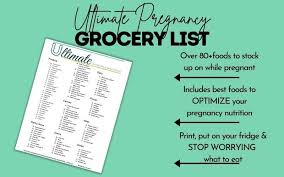
A budget pregnancy grocery list focuses on nutrient-dense foods that are affordable. It prioritizes whole grains, lean proteins, fresh or frozen produce, and healthy fats. Smart shopping involves meal planning, buying in season, and utilizing sales to ensure both maternal and fetal health without overspending.
Understanding Your Pregnancy Grocery Needs
Pregnancy changes your body. It also changes what your body needs. You need more vitamins and minerals.
Things like folate, iron, and calcium are super important. These help your baby grow strong. They also keep you healthy.
Eating well supports your energy levels. It can help with common pregnancy discomforts too. Things like morning sickness or constipation can get better with the right foods.
The goal is nutrient density. This means getting the most goodness from the food you eat. It doesn’t mean eating twice as much.
It means choosing foods packed with nutrients. Think of it as getting more bang for your buck. Your money goes further when the food is truly good for you.
We are talking about foods that fuel growth and health.
It’s also about balance. You need a mix of healthy foods. Carbohydrates give you energy.
Proteins build tissues for you and the baby. Fats are vital for brain development. And you need lots of vitamins and minerals.
Don’t forget fiber. It helps with digestion. This is a big plus during pregnancy.
Staying regular is a relief.
Many people worry about the cost of healthy food. It’s a valid concern. Especially with a baby on the way.
But smart choices can make a huge difference. You can eat very well without spending a fortune. This guide will show you how.
We focus on practical, everyday foods. Foods that are easy to find and prepare.
My Pregnancy Grocery Shopping Journey
I remember being pregnant with my first. I was so excited. I also felt a little overwhelmed.
My budget wasn’t huge. I wanted to eat healthy. I saw all these “pregnancy superfoods” online.
They often sounded expensive. Things like exotic berries or fancy fish.
One evening, I stood in the grocery store aisle. I looked at the organic kale. It cost almost double the regular kind.
I felt this pang of worry. How could I afford all this? I took a deep breath.
I decided to go back to basics. I thought about what my grandmother ate. Simple, wholesome foods.
I started making a list. I looked for sales. I learned to buy frozen veggies.
They were just as good. And much cheaper.
My biggest mistake at first was impulse buying. I’d see something “healthy” and grab it. Then I’d get home and realize I didn’t have a plan for it.
Or it was too pricey. I learned to plan my meals. Just a few meals each week.
Then I’d make my list based on that. It cut down on waste and saved money. It also made grocery shopping less stressful.
I wasn’t guessing anymore. I knew what I needed.
Building Your Budget-Friendly Pregnancy Plate
Let’s break down the food groups. We want budget-friendly options for each. This will form the backbone of your list.
Proteins: The Building Blocks
Proteins are key for baby’s growth. And for your body’s needs. Lean meats are great.
But they can be costly. Look for sales on chicken thighs or drumsticks. These are often cheaper than breasts.
Ground turkey or chicken is also a good choice. You can use it in many dishes.
Eggs are a true powerhouse. They are inexpensive. And packed with protein and nutrients like choline.
Choline is vital for baby’s brain. Try to get a dozen every week. They are so versatile.
Scrambled, boiled, in an omelet. The possibilities are endless.
Beans and lentils are champions of the budget world. They are incredibly cheap. They are full of protein and fiber.
And iron. This is fantastic for pregnant people. Dried beans are the most economical.
You just need to soak them. Canned beans are faster. Just rinse them well.
Use them in soups, stews, salads, or as a side.
Canned fish like tuna or salmon can be good too. Choose options packed in water. They offer omega-3 fatty acids.
These are great for baby’s brain and eyes. Just watch your intake of mercury. Limit consumption of larger fish.
Protein Power on a Budget
Eggs: Super affordable, packed with protein and choline. Great for quick meals.
Beans & Lentils: Dry are cheapest. Offer protein, fiber, and iron. Use in soups, chilis, and salads.
Chicken Thighs/Drumsticks: Often cheaper than breasts. Versatile for roasting or slow cooking.
Ground Turkey/Chicken: Good for tacos, pasta sauce, and casseroles.
Canned Tuna/Salmon (in water): Good source of omega-3s. Limit intake due to mercury concerns.
Fruits and Vegetables: Vitamins and Fiber
This is where fresh can be tricky on a budget. But it doesn’t have to be. Focus on what’s in season.
Seasonal produce is usually cheaper and tastes better. In the summer, berries and peaches are great. In the fall, apples and squash shine.
In the winter, citrus fruits are often a good deal.
Frozen fruits and vegetables are your best friend. They are picked at peak ripeness. Then flash-frozen.
This locks in nutrients. They are often cheaper than fresh. Especially out of season.
They last a long time too. This means less waste. Stock up on frozen berries for smoothies.
Frozen spinach is perfect for soups and eggs. Frozen broccoli and peas are easy sides.
Root vegetables are usually affordable year-round. Carrots, potatoes, sweet potatoes, and onions. They store well.
Sweet potatoes are loaded with Vitamin A. Essential for baby’s development. Potatoes provide potassium.
Carrots give you beta-carotene.
Don’t forget canned options. Canned tomatoes are a pantry staple. They are great for sauces and soups.
Canned corn and peas can be convenient. Just check labels for added salt. Rinse them before using.
Smart Produce Choices
Frozen Fruits & Veggies: Nutritious, affordable, and last long. Ideal for smoothies, sides, and cooking.
Seasonal Fresh Produce: Buy what’s in season for best price and flavor.
Root Vegetables: Potatoes, sweet potatoes, carrots, onions are budget-friendly and store well.
Canned Tomatoes: Versatile for sauces, soups, and stews.
Bananas: Often the cheapest fruit. Good source of potassium.
Whole Grains: Energy and Fiber
Whole grains provide sustained energy. They are also a good source of fiber. This helps prevent constipation.
Look for brown rice, whole wheat pasta, oats, and whole grain bread.
Oatmeal is a breakfast staple. It’s very cheap. Especially rolled oats or steel-cut oats.
They offer fiber and are filling. Start your day with a warm bowl. Add some frozen berries for sweetness and nutrients.
Brown rice is more nutritious than white rice. It has more fiber and minerals. Buy it in larger bags for savings.
It’s a great side dish for almost any meal.
Whole wheat bread is a good choice for sandwiches. Check the ingredients. Make sure “whole wheat” is the first ingredient.
Look for sales or store brands. Sometimes buying a loaf and freezing half is a good idea.
Budget-Friendly Grains
Oats (Rolled/Steel-Cut): Inexpensive, high in fiber, great for breakfast.
Brown Rice: More nutrients and fiber than white. Buy in bulk for savings.
Whole Wheat Bread: Choose loaves where whole wheat is the first ingredient.
Whole Wheat Pasta: A good alternative to white pasta for added fiber.
Healthy Fats: Brain Power
Fats are important for baby’s brain. And for absorbing certain vitamins. You don’t need a lot.
But choose healthy sources.
Avocados can be pricey. Buy them when they are on sale. Or enjoy them as a treat.
They are packed with good fats and folate.
Nuts and seeds are good sources of fat. And protein. Almonds, walnuts, peanuts, sunflower seeds.
Buy them in bulk if possible. Or look for store brands. A small handful is a healthy snack.
You can also add seeds to oatmeal or yogurt.
Olive oil is a staple for cooking. It’s a healthy monounsaturated fat. Buy a larger bottle when it’s on sale.
It lasts a long time.
Smart Fat Choices
Olive Oil: For cooking and dressings. Buy larger bottles on sale.
Nuts & Seeds: Almonds, walnuts, sunflower seeds offer healthy fats and protein. Buy in bulk.
Avocados: Rich in healthy fats and folate. Buy when on sale.
Dairy and Alternatives: Calcium Boost
Calcium is crucial for baby’s bones. And yours. Milk, yogurt, and cheese are good sources.
Choose plain yogurt. It’s cheaper than flavored. And you can add your own fruit.
Greek yogurt offers more protein. It’s very filling.
Milk is a good source of calcium and Vitamin D. Look for store brands or sales. If you prefer dairy-free, look for fortified plant milks.
Soy milk and almond milk are common. Check labels to ensure they are fortified with calcium and Vitamin D.
Cheese can be a good source of calcium. But it can be high in fat. Enjoy it in moderation.
String cheese can be a convenient snack.
Calcium Sources
Milk: Good source of calcium and Vitamin D. Look for sales.
Yogurt (Plain): High in protein and calcium. Add your own fruit.
Fortified Plant Milks: Soy, almond, oat milk. Ensure they have added calcium and Vitamin D.
Cheese: Good calcium source. Eat in moderation.
Smart Shopping Strategies for Your List
Having a list is one thing. Shopping smart is another. These tips can save you a lot of money.
Meal Planning is Your Superpower
This is the MOST important tip. Seriously. Before you even think about the grocery store, plan your meals.
Even just for a few days. What will you eat for breakfast, lunch, and dinner? How many snacks will you need?
Base your meals on what you have. And what’s on sale. If chicken thighs are cheap, plan a roast chicken dish.
If beans are on sale, plan a chili or soup. This reduces food waste. It stops you from buying things you don’t need.
Keep it simple. You don’t need gourmet meals. Think one-pot meals, simple stir-fries, pasta dishes, hearty soups.
Foods that stretch and are easy to make.
Once you have your meals planned, make your grocery list. Stick to it. Only buy what’s on the list.
Shop Sales and Use Coupons
Grocery stores have weekly flyers. Check them online or in the paper. See what’s on sale.
Plan your meals around those items.
Coupons can save money too. Look for digital coupons on store apps. Or manufacturer coupons online.
Only use coupons for things you were going to buy anyway.
Store brands are often much cheaper than name brands. And the quality is usually just as good. Try them out.
You might be surprised.
Buy in Bulk (Smartly)
Some items are cheaper when bought in larger quantities. Things like rice, oats, dried beans, and pasta. If you have the space to store them, it can save money long-term.
Be careful with perishables. Don’t buy a huge amount of fresh produce if you can’t eat it all before it spoils. That’s just wasting money.
Consider freezing items you buy in bulk. Like bread, meat, or even some fruits and vegetables.
Frozen and Canned are Your Friends
We’ve talked about this. But it bears repeating. Frozen fruits and vegetables are nutritious and cost-effective.
They last a long time. They prevent waste.
Canned goods like tomatoes, beans, and corn are pantry staples. They are cheap and convenient. Just watch for added salt and sugar.
Money-Saving Shopping Habits
Meal Plan First: Build your grocery list around planned meals.
Check Flyers: Plan meals around weekly sales.
Use Store Brands: Often as good as name brands, but cheaper.
Buy Bulk (Wisely): For non-perishables like rice, oats, beans.
Embrace Frozen/Canned: Great value and nutrition.
Avoid Impulse Buys: Stick to your list.
Don’t Shop When Hungry
This is a classic. When you’re hungry, everything looks good. You’ll buy more than you need.
And likely less healthy options. Eat a snack before you go shopping.
Compare Unit Prices
Look at the small print on the shelf tag. It tells you the price per ounce or pound. This helps you compare different sizes and brands.
The bigger package isn’t always cheaper per unit.
Essential Nutrients for Pregnancy on a Budget
Let’s touch on key nutrients. And how to get them affordably.
Folate (Folic Acid)
Crucial for preventing neural tube defects. It’s needed early in pregnancy. Even before you know you’re pregnant.
- Sources: Leafy green vegetables (spinach, kale), beans, lentils, fortified cereals, oranges, avocados.
- Budget Tip: Dried beans and lentils are very cheap. Frozen spinach is a great buy.
Iron
Your blood volume increases. You need iron to make more red blood cells. Iron deficiency anemia is common in pregnancy.
- Sources: Red meat, poultry, fish, beans, lentils, fortified cereals, dark leafy greens.
- Budget Tip: Lentils and beans are excellent plant-based iron sources. Chicken thighs are more affordable than red meat. Pair iron-rich plant foods with Vitamin C (like a squeeze of lemon or bell pepper) to boost absorption.
Calcium
For baby’s bones and teeth. And to maintain your bone density.
- Sources: Dairy products (milk, yogurt, cheese), fortified plant milks, leafy greens (kale, broccoli), sardines (with bones).
- Budget Tip: Plain yogurt and store-brand milk are cost-effective. Frozen broccoli is a good source.
Vitamin D
Works with calcium for bone health. Also important for the immune system.
- Sources: Fatty fish (salmon), fortified milk and cereals, egg yolks, sunlight exposure (be cautious with sun exposure).
- Dietary Budget Tip: Fortified milk and cereals are common. Eggs provide some. Often, a supplement is recommended.
Omega-3 Fatty Acids (DHA)
Vital for baby’s brain and eye development.
- Sources: Fatty fish (salmon, sardines), walnuts, flaxseeds, chia seeds.
- Budget Tip: Canned salmon is more affordable than fresh. Walnuts and seeds can be bought in bulk.
Protein
For growth and repair of tissues for both you and baby.
- Sources: Meat, poultry, fish, eggs, dairy, beans, lentils, nuts, seeds, soy products.
- Budget Tip: Eggs, beans, lentils, and chicken thighs are great budget protein sources.
Sample Budget Pregnancy Grocery List
This is a starting point. Adjust it based on sales and your preferences. Assume you have pantry staples like oil, salt, pepper, and basic spices.
Proteins
- 1 dozen Eggs
- 1 lb Dried Lentils
- 1 lb Dried Black Beans
- 3 lb Chicken Thighs (or on sale cuts)
- 1 can Tuna in water (low mercury option)
Fruits & Vegetables
- 1 bag Frozen Mixed Berries
- 1 bag Frozen Spinach
- 1 bag Frozen Broccoli Florets
- 5 lbs Potatoes
- 3 lbs Sweet Potatoes
- 1 bag Carrots
- 1 bag Onions
- 5 Bananas
- 2 lbs Apples (seasonal)
- 1 can Diced Tomatoes
- 1 can Corn (low sodium)
Whole Grains
- 1 container Rolled Oats
- 1 bag Brown Rice
- 1 loaf Whole Wheat Bread
- 1 box Whole Wheat Pasta
Dairy & Alternatives
- 1 gallon Milk (or fortified plant milk)
- 1 large tub Plain Yogurt
Healthy Fats
- 1 bottle Olive Oil (if needed)
- 1 bag Walnuts or Almonds (small bag for snacks)
This list focuses on versatile ingredients. You can make many meals with these. For example:
Oatmeal with berries for breakfast.
Lentil soup for lunch. Chicken thighs with roasted sweet potatoes and broccoli for dinner. Scrambled eggs with spinach and whole wheat toast.
Bean chili. Tuna salad sandwiches.
Dealing with Pregnancy Cravings on a Budget
Cravings are real! They can be hard to manage, especially on a budget. Instead of buying expensive pre-packaged snacks, try making your own.
Sweet Cravings
- Instead of Cookies/Cake: Bake simple oatmeal cookies using oats, a little flour, sugar, and maybe some frozen berries. Or have a banana with a spoonful of peanut butter. Baked apples are also delicious and cheap.
Salty/Savory Cravings
- Instead of Chips: Make your own popcorn. It’s super cheap. Season it with a little salt or nutritional yeast for a cheesy flavor. Roasted chickpeas are also a great crunchy snack.
Creamy Cravings
- Instead of Ice Cream: Blend frozen bananas with a splash of milk. It creates a surprisingly creamy, ice-cream-like texture. Plain yogurt with fruit is also a good option.
When to Consider Supplements
Even with a great diet, it can be hard to get enough of certain nutrients. Especially iron and Vitamin D. Your doctor will likely recommend a prenatal vitamin.
This is usually a wise investment.
Prenatal vitamins provide key nutrients like folic acid, iron, calcium, and DHA. They fill the gaps. They are designed for pregnancy needs.
Discuss with your healthcare provider which prenatal vitamin is best for you.
Sometimes specific deficiencies are found. Like low iron. Your doctor might suggest an additional iron supplement.
Always follow their advice. Don’t self-medicate or take extra supplements without talking to your doctor.
Real-World Context: A Week of Budget Pregnancy Meals
Let’s see how these ingredients come together.
Sample Weekly Meal Ideas
Monday:
- Breakfast: Oatmeal with frozen berries.
- Lunch: Lentil soup with whole wheat bread.
- Dinner: Baked chicken thighs with roasted potatoes and carrots.
Tuesday:
- Breakfast: Scrambled eggs with spinach.
- Lunch: Leftover chicken and roasted veggies.
- Dinner: Black bean tacos with a side of corn.
Wednesday:
- Breakfast: Plain yogurt with banana slices and a sprinkle of nuts.
- Lunch: Leftover bean tacos.
- Dinner: Whole wheat pasta with a simple tomato sauce and ground turkey (if budget allows, or add more beans).
Thursday:
- Breakfast: Oatmeal with apple slices.
- Lunch: Leftover pasta.
- Dinner: Chicken and veggie stir-fry (using frozen broccoli, carrots, onions) with brown rice.
Friday:
- Breakfast: Whole wheat toast with eggs.
- Lunch: Tuna salad sandwich on whole wheat bread.
- Dinner: Hearty bean chili with a side of cornbread (homemade if possible).
Saturday:
- Breakfast: Yogurt with berries and nuts.
- Lunch: Leftover chili.
- Dinner: Roast chicken thighs with baked sweet potatoes and frozen peas.
Sunday:
- Breakfast: Oatmeal with banana.
- Lunch: Leftovers or simple sandwiches.
- Dinner: Use any remaining chicken/veggies for a “clean out the fridge” soup or casserole.
What This Means for You: Peace of Mind
Creating a budget pregnancy grocery list is about being smart. It’s about making intentional choices. You don’t need to buy expensive “superfoods.” You can nourish yourself and your baby with simple, wholesome foods.
This approach reduces financial stress.
It also means you are actively taking care of yourself and your growing family. Every meal is an opportunity to provide good nutrition. This is empowering.
It’s about feeling in control of your health and your finances.
Remember, this is a guide. Your budget is unique. Your needs are unique.
Adapt these ideas to fit your life. The core principles remain: plan, shop smart, choose nutrient-dense foods, and don’t be afraid of budget-friendly staples.
Quick Fixes and Tips
Here are some final, quick tips to keep in mind.
- Double a recipe: If you’re making chili or soup, make double. Freeze half for a future easy meal.
- Utilize your freezer: Freeze leftover bread, fruit, or cooked grains.
- “Use it up” meals: Designate one meal a week to use up odds and ends in your fridge.
- Water is your best friend: Stay hydrated with plain water. It’s free and essential.
- Cook in batches: Cook a big batch of brown rice or lentils at the start of the week.
Frequently Asked Questions
What are the most important nutrients for pregnancy?
The most important nutrients include folate, iron, calcium, vitamin D, protein, and omega-3 fatty acids (DHA). These support fetal development and maternal health.
Can I get enough iron from a budget diet?
Yes, you can get enough iron from budget-friendly foods like lentils, beans, spinach, and chicken thighs. Pairing these with vitamin C-rich foods helps boost iron absorption.
Are frozen fruits and vegetables as healthy as fresh?
Often, yes. Frozen produce is typically picked at peak ripeness and flash-frozen, preserving most of its nutrients. They are also usually more affordable and last longer, reducing waste.
How often should I eat fish during pregnancy?
Aim for 2-3 servings of low-mercury fish per week. Options like salmon, sardines, and canned light tuna are good choices. Avoid shark, swordfish, king mackerel, and tilefish due to high mercury levels.
What is the best way to save money on groceries while pregnant?
The best ways include meal planning, shopping sales, using store brands, buying in bulk for non-perishables, and choosing budget-friendly staples like beans, lentils, oats, and frozen produce.
Is it okay to eat non-organic produce on a budget pregnancy diet?
Yes, it is absolutely okay. While organic can be preferable, non-organic produce is still very nutritious and a great way to get essential vitamins and minerals on a budget. Focus on washing all produce thoroughly.
Do I need to take a prenatal vitamin if I eat healthy?
It is highly recommended to take a prenatal vitamin even with a healthy diet. They ensure you get crucial nutrients like folic acid and iron that can be hard to obtain in sufficient amounts through food alone. Always consult your doctor.
Final Thoughts
Eating well during pregnancy doesn’t have to strain your wallet. By planning, shopping smart, and focusing on nutrient-rich staples, you can create a healthy and affordable grocery list. You’ve got this!
