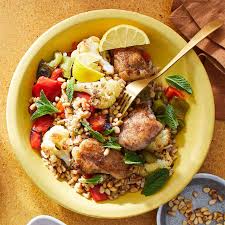
Feeling wiped out during pregnancy is incredibly common. You’re growing a whole new human, and that takes a massive amount of energy. It’s easy to feel like you’re running on fumes, especially in the first and third trimesters. But what if you could eat your way to feeling more vibrant and less exhausted?
This guide is all about helping you find that energy. We’ll talk about the foods that can boost you up and the ones that might drag you down. You’ll learn simple ways to make your meals work harder for you. Let’s explore how a smart pregnancy diet can make a real difference in how you feel every day.
The best pregnancy diet for sustained energy focuses on balanced meals with lean protein, complex carbohydrates, healthy fats, and plenty of fruits and vegetables. Staying hydrated and eating smaller, more frequent meals also helps prevent energy dips. Avoid sugary snacks and processed foods that cause energy spikes and crashes.
Understanding Pregnancy Fatigue
Pregnancy fatigue isn’t just about feeling a bit tired. It’s a deep, bone-weary exhaustion. This happens for many reasons. Your body is going through huge changes. Hormones, like progesterone, are surging. This hormone helps support the pregnancy but also makes you feel sleepy.
Your body is also working overtime. It’s building a placenta. It’s increasing blood volume to feed your growing baby. All this requires a lot of energy. Plus, your metabolism speeds up. Your body needs more calories. If you’re not getting enough fuel, you’ll feel it.
Nausea and vomiting, common in early pregnancy, can also make it hard to eat. This means you might not be getting the nutrients you need. Sleep can also be disrupted. You might have to pee a lot. Or you might feel uncomfortable and find it hard to get cozy. All these things add up to that overwhelming feeling of being drained.
The Core Principles of an Energy-Boosting Pregnancy Diet
Eating well during pregnancy is key. It’s not just about you anymore. It’s about your baby’s health too. For energy, focus on a few main ideas. First, balance is crucial. Your meals should have protein, carbs, and healthy fats. This mix gives you steady energy.
Second, think about whole foods. These are foods that are not processed much. Fruits, vegetables, whole grains, and lean meats are good choices. They provide vitamins and minerals your body needs. These help your body work well. They also give you lasting energy.
Third, stay hydrated. Water is super important. Dehydration can make you feel tired. It can also cause headaches. So, drink water throughout the day. Finally, small, frequent meals are better. Big meals can make you feel sluggish. Eating a little every few hours keeps your blood sugar steady. This prevents energy crashes.
Your Body’s Fuel: Macronutrients and Energy
Let’s break down what your body needs. Macronutrients are the big players for energy. They are carbohydrates, protein, and fats.
Carbohydrates are your body’s main energy source. But not all carbs are equal. Simple carbs, like white bread and sugary drinks, give you a quick burst of energy. Then, you crash. Complex carbs are much better. They are found in whole grains, beans, and vegetables. They release energy slowly. This keeps you going longer. Think oatmeal, brown rice, and sweet potatoes.
Protein is vital for building and repairing tissues. It also helps you feel full. This can stop you from overeating. Good sources include lean meats, poultry, fish, eggs, dairy, beans, and nuts. Protein also helps slow the release of carbs into your bloodstream. This means a more stable energy level.
Healthy fats are also important. They provide energy. They also help your body absorb certain vitamins. Good fats are found in avocados, nuts, seeds, and olive oil. They are also in fatty fish like salmon. These fats are important for your baby’s brain development too.
The Best Foods for Pregnancy Energy
When you’re pregnant, you need nutrient-dense foods. These foods give you the most bang for your buck. Here are some top picks to help keep your energy up:
Whole Grains: Oatmeal, quinoa, brown rice, whole wheat bread. These provide complex carbohydrates for sustained energy. They also have fiber, which helps with digestion and keeps you feeling full. Start your day with a bowl of oatmeal. It’s a fantastic way to kickstart your energy.
Lean Proteins: Chicken breast, turkey, fish (low-mercury options like salmon), eggs, beans, lentils, tofu. Protein is crucial for energy and also for your baby’s growth. A good source of protein at each meal helps prevent energy dips. Try a grilled chicken salad for lunch. Or have lentil soup for dinner.
Fruits and Vegetables: Berries, apples, bananas, oranges, spinach, kale, carrots, sweet potatoes. These are packed with vitamins, minerals, and antioxidants. They also contain natural sugars for energy and fiber for digestion. Berries are great for a quick, healthy snack. Leafy greens provide iron, which is key for energy.
Healthy Fats: Avocados, nuts (almonds, walnuts), seeds (chia, flax), olive oil. These fats give you long-lasting energy. They also help your body absorb vitamins A, D, E, and K. A small handful of almonds can be a great mid-morning snack. Adding avocado to toast or a salad is easy.
Dairy or Fortified Alternatives: Milk, yogurt, cheese, fortified soy or almond milk. These provide calcium and vitamin D. They are also a good source of protein. Greek yogurt is especially high in protein. It’s a good option for a filling snack.
Iron-Rich Foods: Red meat, spinach, beans, fortified cereals. Iron is essential for carrying oxygen in your blood. Low iron (anemia) is a major cause of fatigue in pregnancy. Pairing iron-rich foods with vitamin C helps your body absorb iron better. For example, have spinach salad with strawberries.
Foods to Limit or Avoid for Energy
Just as some foods boost energy, others can drain it. It’s important to be aware of these.
Sugary Foods and Drinks: Candy, cookies, cakes, soda, sweetened juices. These cause a rapid spike in blood sugar. Your body then releases a lot of insulin to bring it down. This leads to a sharp drop in energy, leaving you feeling tired.
Refined Carbohydrates: White bread, white pasta, pastries. Similar to sugary foods, these are quickly digested. They lead to energy crashes. Opt for whole-grain versions instead.
Excessive Caffeine: While some caffeine is generally considered safe in moderation, too much can disrupt sleep. Poor sleep makes fatigue worse. It can also lead to jitters and then a crash. Limit your intake.
Highly Processed Foods: Packaged snacks, fast food, frozen meals. These often lack nutrients. They can also be high in sodium, unhealthy fats, and added sugars. They don’t provide the steady energy your body needs.
Fried Foods: While delicious, these are often high in unhealthy fats. They can be hard to digest. This can make you feel sluggish and heavy.
The Importance of Hydration
Don’t forget water! Dehydration is a silent energy thief. When you don’t drink enough, your blood volume can decrease. This makes your heart work harder. It also means less oxygen and nutrients get to your baby and to you.
Feeling tired, having headaches, and feeling dizzy are all signs of dehydration. Your urine should be pale yellow. If it’s dark, you need to drink more.
Aim for about 8–10 glasses of water a day. This is around 64–80 ounces. If you’re active or it’s hot, you’ll need more. Water is best. But other fluids like herbal teas and diluted juices can contribute. Try carrying a reusable water bottle with you. Sip from it all day long.
Meal Timing and Frequency: The Key to Stable Energy
Eating big meals can overwhelm your digestive system. It can also lead to those dreaded energy dips afterward. The solution? Smaller, more frequent meals.
Think about eating 5–6 small meals or snacks throughout the day. This helps keep your blood sugar levels stable. It also prevents you from getting too hungry. When you’re too hungry, you’re more likely to grab unhealthy options.
For example, instead of three large meals, try breakfast, a mid-morning snack, lunch, an afternoon snack, dinner, and maybe a light bedtime snack. This pattern ensures a constant supply of energy. It also helps manage nausea.
Sample Daily Meal Plan for Energy
Breakfast (7 AM): Oatmeal with berries and a sprinkle of nuts.
Mid-Morning Snack (10 AM): Greek yogurt with a few almonds.
Lunch (1 PM): Grilled chicken salad with mixed greens, avocado, and a light vinaigrette. A side of whole-wheat crackers.
Afternoon Snack (4 PM): Apple slices with a tablespoon of peanut butter.
Dinner (7 PM): Baked salmon with roasted sweet potatoes and steamed broccoli.
Optional Bedtime Snack (9 PM): A small glass of milk or a handful of whole-grain cereal.
Navigating Morning Sickness and Energy
Morning sickness can really mess with your diet and energy levels. When you feel sick, the thought of food can be awful. But you still need to fuel your body. The key here is to listen to your body. Eat what you can, when you can.
Try bland, easy-to-digest foods. Crackers, toast, rice, and bananas are often well-tolerated. These are known as BRAT foods (Bananas, Rice, Applesauce, Toast). They can be a lifesaver when you’re feeling queasy.
Ginger is also known for its anti-nausea properties. Ginger tea, ginger snaps, or ginger candies can help. Eating small, frequent meals is especially important when you have morning sickness. It helps keep something in your stomach. This can prevent nausea from getting worse.
If you’re struggling to keep any food down, talk to your doctor. They might suggest ways to get the nutrients you need. Sometimes, prenatal vitamins can be hard to stomach. Your doctor might have an alternative.
The Role of Iron and Anemia in Fatigue
Iron deficiency anemia is a huge contributor to fatigue during pregnancy. Your body needs iron to make hemoglobin. Hemoglobin is a protein in red blood cells. It carries oxygen from your lungs to the rest of your body.
During pregnancy, your blood volume increases significantly. This means you need more iron to produce enough red blood cells. If you don’t get enough iron from your diet, your body can’t keep up. This leads to anemia.
Symptoms of anemia include extreme tiredness, weakness, pale skin, shortness of breath, and dizziness. It can also make you more prone to infections.
To combat this, focus on iron-rich foods. These include:
Red meat and poultry
Fish
Beans and lentils
Spinach and other dark leafy greens
Fortified cereals and breads
Dried fruits
Remember that iron from plant sources (non-heme iron) is not as easily absorbed as iron from animal sources (heme iron). To boost absorption of non-heme iron, always pair these foods with a source of vitamin C. Think citrus fruits, bell peppers, tomatoes, or strawberries.
Your doctor will likely check your iron levels during your prenatal appointments. They may recommend an iron supplement if your levels are low. Always take supplements as directed by your healthcare provider.
Iron Absorption Tips
- Pair iron with Vitamin C: Have orange juice with your fortified cereal. Add bell peppers to your bean chili.
- Avoid these with iron-rich meals: Calcium (dairy), coffee, and tea. They can block iron absorption. Try to have these at different times.
- Cook in cast iron: Using a cast iron skillet can add a small amount of iron to your food.
Prenatal Vitamins: More Than Just a Pill
Prenatal vitamins are designed to fill any nutritional gaps. They ensure you and your baby get essential vitamins and minerals. While they can’t replace a healthy diet, they are crucial.
Key nutrients in prenatal vitamins that help with energy include:
Iron: As we discussed, this is vital for preventing anemia and fatigue.
B Vitamins (B6, B12, Folate): These play a huge role in energy production. They help your body convert food into energy. Folate is also critical for preventing neural tube defects in the baby.
Vitamin D: Important for bone health and immune function. Some research suggests a link between low Vitamin D and fatigue.
It’s important to take your prenatal vitamin consistently. If you experience nausea, try taking it with food or at a different time of day. If you have trouble with a specific brand, speak to your doctor. There are many different options available.
When Fatigue Might Signal Something More
While pregnancy fatigue is normal, it’s important to know when to seek medical advice. Persistent, overwhelming fatigue that doesn’t improve with rest or dietary changes could be a sign of an underlying issue.
Conditions that can cause increased fatigue during pregnancy include:
Gestational Diabetes: If your blood sugar levels are too high, it can lead to fatigue. This often happens later in pregnancy.
Thyroid Problems: Both an underactive or overactive thyroid can affect energy levels.
Preeclampsia: This serious condition can cause extreme fatigue, along with other symptoms like high blood pressure and swelling.
Anemia (severe): If your iron deficiency is significant, it can be debilitating.
Depression or Anxiety: Mental health plays a big role in energy. Pregnancy can be an emotional time.
Always discuss any concerns with your healthcare provider. They can perform tests to check for these conditions and offer appropriate treatment. Don’t hesitate to ask for help if you feel your fatigue is not typical.
Signs to Discuss with Your Doctor
- Extreme fatigue that doesn’t improve with rest.
- Sudden, severe tiredness.
- Dizziness or fainting spells.
- Unexplained shortness of breath.
- Swelling, especially in the face and hands.
- Severe headaches.
- Vision changes.
Lifestyle Factors That Boost Pregnancy Energy
Diet is a huge part of the energy puzzle. But other lifestyle choices also make a big difference.
Prioritize Sleep: This sounds obvious, but it’s hard in pregnancy. Try to get at least 7–8 hours of sleep per night. Napping when you can is also great. Create a relaxing bedtime routine. Make your bedroom dark and cool. Use extra pillows for comfort.
Gentle Exercise: It might seem counterintuitive, but regular, moderate exercise can boost your energy. Walking, swimming, and prenatal yoga are excellent choices. Exercise improves circulation and mood. It also helps you sleep better. Always consult your doctor before starting a new exercise program.
Manage Stress: Stress drains your energy reserves. Find healthy ways to cope. This could be meditation, deep breathing exercises, talking to a partner or friend, or engaging in a hobby.
Listen to Your Body: This is perhaps the most important tip. If you feel tired, rest. Don’t push yourself too hard. Learn to say no to extra commitments when you need to. Your body is doing amazing work!
Personal Experience: The Day I Realized What Was Wrong
I remember one particularly rough patch during my second pregnancy. It was around 20 weeks. I was supposed to be entering my “golden trimester,” where energy supposedly returns. But for me, it felt like I was still trudging through mud. Getting out of bed was an Olympic sport. By lunchtime, I felt like I needed another nap. My kids were asking me to play, and I just wanted to lie on the couch.
One afternoon, I was making a smoothie. I threw in some frozen berries, a bit of yogurt, and a splash of juice. I felt a little boost, but it didn’t last long. Then, I noticed my plate at dinner. It was mostly pasta with a small piece of chicken. I was eating “enough,” but was I eating “right”?
That’s when it hit me. I had been relying a lot on quick carbs. For snacks, I’d grab a handful of crackers or a cookie. My meals were often heavy on refined grains. I was getting calories, but not the sustained fuel my body craved. My iron levels had also been borderline at my last check-up.
I decided to make a conscious change. I started adding more protein to my breakfast, like eggs or Greek yogurt. I switched to whole-grain bread and pasta. I made sure to include leafy greens and colorful vegetables in every meal. I also doubled down on hydration, carrying a big water bottle everywhere.
The change wasn’t overnight. But slowly, surely, I started to feel a difference. The constant fog lifted a bit. I could manage a short walk with the kids without feeling completely depleted. It wasn’t a magic cure, but it was a significant improvement. It taught me that what you eat truly matters for energy, especially when you’re growing a baby.
Real-World Scenarios: What Energy Dips Look Like
Energy dips can show up in many ways. They aren’t always just feeling sleepy.
The Mid-Morning Slump: You had a good breakfast, but by 10 or 11 AM, you’re struggling to focus. Your eyelids feel heavy. This often happens if breakfast was too carb-heavy or lacked protein and healthy fats.
The Post-Lunch Lull: You ate a big lunch, and now you feel like you need to lie down. This is common after meals high in refined carbs or sugar, which cause a blood sugar spike and then a crash.
The Afternoon Fade: You’ve made it through lunch, but the last few hours of the day feel like a marathon. You might feel irritable or find it hard to concentrate. This can be due to not eating enough throughout the day, or the cumulative effect of energy-draining foods.
Difficulty Starting the Day: Even after a full night’s sleep, you wake up feeling exhausted. This could be a sign of low iron, poor sleep quality due to pregnancy discomforts, or a diet that doesn’t provide enough morning fuel.
Craving Sugar Constantly: Your body might be telling you it needs quick energy. If you find yourself craving sweets all the time, it could be a sign your blood sugar is unstable.
Normal vs. Concerning Energy Levels
Normal Pregnancy Fatigue: Feeling tired more often than usual, needing more sleep, a general sense of fatigue that improves with rest and good nutrition. It tends to be worse in the first and third trimesters.
Concerning Fatigue: Overwhelming exhaustion that interferes with daily life, doesn’t improve with rest, accompanied by other symptoms like severe headaches, dizziness, swelling, or vision changes. This could indicate a medical issue needing attention.
What This Means for Your Pregnancy Journey
Understanding how your diet affects your energy is empowering. It means you have some control over how you feel. By making smart food choices, you can significantly reduce fatigue. You can enjoy your pregnancy more.
This doesn’t mean you have to be perfect. There will be days when you crave something sweet or just don’t have the energy to cook a healthy meal. That’s okay. The goal is progress, not perfection. Focus on making good choices most of the time.
Paying attention to your energy levels can also be a good indicator of your overall health. If you consistently feel drained, it’s worth discussing with your doctor. They can help ensure you and your baby are getting everything you need.
Quick Tips for an Energy Boost
Here are some simple, actionable tips to help you feel more energized:
Start your day with protein: Don’t skip breakfast. Make sure it has protein.
Snack smart: Keep healthy snacks handy. Think fruit, nuts, yogurt, or hard-boiled eggs.
Hydrate, hydrate, hydrate: Keep a water bottle with you always.
Eat a rainbow: Fill your plate with colorful fruits and vegetables.
Move your body: Even a short walk can make a difference.
Listen to your body: Rest when you need to.
Prioritize sleep: Make sleep a non-negotiable.
Frequently Asked Questions About Pregnancy Diet and Energy
What foods should I eat for energy in the first trimester?
In the first trimester, nausea can be a big issue. Focus on bland, easy-to-digest foods like crackers, toast, bananas, and rice. Small, frequent meals are key. Incorporate lean proteins and complex carbs when you can tolerate them. Staying hydrated is also vital.
Can I drink coffee while pregnant for energy?
Yes, in moderation. Most health organizations suggest limiting caffeine intake to no more than 200 milligrams per day. This is about one 12-ounce cup of coffee. Too much caffeine can disrupt sleep and lead to jitters or a crash.
How much water do I really need during pregnancy?
You should aim for about 8–10 glasses of water a day, which is roughly 64–80 ounces. This amount can increase if you are very active or if the weather is hot. Your urine color is a good indicator; it should be pale yellow.
What if I have no appetite but need energy?
This is common, especially with morning sickness. Focus on small, frequent meals of whatever you can tolerate. Nutrient-dense smoothies can be helpful if solid food is difficult. Don’t hesitate to talk to your doctor; they may have specific recommendations or supplements to help.
Is fatigue a sign of a problem with the baby?
Generally, fatigue is a normal part of pregnancy due to hormonal changes and the body’s increased demands. However, if your fatigue is extreme, sudden, or accompanied by other concerning symptoms like severe headaches, swelling, or dizziness, it’s important to contact your healthcare provider.
How do prenatal vitamins help with energy?
Prenatal vitamins contain essential nutrients like iron and B vitamins. Iron is crucial for carrying oxygen, and its deficiency causes fatigue. B vitamins help your body convert food into energy. Together, these can help combat pregnancy-related tiredness.
Conclusion: Fueling Your Pregnancy with Vitality
Navigating pregnancy can feel like a rollercoaster, especially when it comes to energy levels. By focusing on a balanced, nutrient-rich diet, staying well-hydrated, and listening to your body, you can significantly boost your vitality. Remember that small, consistent efforts with your nutrition can lead to big improvements in how you feel. Embrace the power of whole foods and smart meal timing to support yourself and your growing baby. You’ve got this!