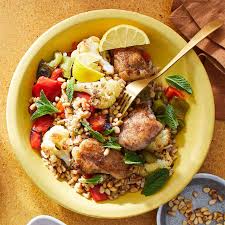
This guide is here to help. We’ll break down exactly what a dairy-free pregnancy meal plan looks like. You’ll learn about smart food swaps. We’ll also cover key nutrients. This makes eating well simple and stress-free. Let’s get you feeling confident and healthy.
A dairy-free pregnancy meal plan focuses on providing essential nutrients like calcium, vitamin D, protein, and healthy fats without using milk or milk products. It involves substituting dairy with fortified plant-based alternatives and nutrient-rich whole foods to support both maternal health and fetal development.
Understanding Dairy-Free Needs During Pregnancy
Pregnancy is a time of big changes. Your body needs more of certain nutrients. Milk and dairy products are often seen as a top source. They offer calcium for baby’s bones. They also give protein and vitamin D. But some people can’t have dairy. This can be due to lactose intolerance or a milk allergy. It can also be a personal choice.
If you need or choose to go dairy-free, it’s vital to replace those nutrients. You want to make sure your baby grows well. You also want to stay healthy. Not getting enough calcium can affect your bones too. It’s not just about skipping milk. It’s about smart food choices instead.
Key Nutrients to Focus On
When avoiding dairy, keep these in mind:
- Calcium: Crucial for baby’s bone and teeth growth.
- Vitamin D: Helps your body absorb calcium.
- Protein: Builds baby’s tissues and organs.
- Vitamin B12: Important for nerve function. (Often found in animal products).
- Iron: Carries oxygen to you and baby.
You might be wondering if you can get enough of these without milk. The answer is a resounding yes! It just takes a little planning. We’ll dive into the best food sources for each. This makes building a balanced plate easy.
Why Go Dairy-Free During Pregnancy?
There are several reasons someone might go dairy-free while pregnant. Understanding these can help you feel more connected to the journey. It’s not a random choice for most. It often comes from a place of health or necessity.
One common reason is lactose intolerance. This means your body has trouble digesting lactose. Lactose is a sugar found in milk. Symptoms can include bloating, gas, and stomach pain. Pregnancy can sometimes make these symptoms worse. So, cutting out dairy helps manage discomfort.
Common Reasons for Dairy Avoidance
Here are a few common scenarios:
- Lactose Intolerance: Difficulty digesting milk sugar.
- Milk Allergy: An immune response to milk proteins.
- Personal Health Choices: Some people avoid all animal products or dairy specifically.
- Digestive Issues: Dairy can trigger issues like IBS for some.
Another reason is a diagnosed milk allergy. This is different from intolerance. An allergy is an immune system reaction. It can be serious. If this is your case, strict avoidance is key. Always follow your doctor’s advice.
Sometimes, people simply feel better avoiding dairy. They might notice less inflammation or clearer skin. Pregnancy can amplify how you feel. So, listening to your body is important. Whatever your reason, building a solid dairy-free plan is achievable.
My Own Dairy-Free Pregnancy Journey
I remember being about 16 weeks pregnant with my first. My usual morning yogurt just wasn’t sitting right. It felt heavy. Then came the bloating. I’d always enjoyed dairy. But suddenly, it felt like a burden. I started cutting back slowly. Then I realized how much dairy was in so many things I ate.
My doctor confirmed I was likely experiencing some intolerance. Or maybe just a pregnancy-related sensitivity. She suggested I try a dairy-free approach for a while. I felt a pang of worry. How would I get enough calcium? What about cheese? I loved cheese! It felt like a huge culinary hurdle.
A Moment of Realization
It was a Saturday. I craved a big, cheesy pizza. But I knew I had to make it dairy-free. I started looking for dairy-free cheese. I found some options. I also loaded up on veggies. The pizza turned out surprisingly good! It wasn’t the same, but it hit the spot. That’s when I started to see the possibilities.
I spent hours researching. I looked at recipes. I talked to friends who were dairy-free. I learned about oat milk, almond milk, and coconut yogurt. I discovered nutritional yeast for a cheesy flavor. It was a learning curve. But slowly, my meals became vibrant and tasty. And importantly, I felt so much better.
That experience taught me that being dairy-free doesn’t mean missing out. It means exploring new foods. It means becoming more mindful of what you eat. And it means finding delicious ways to get all the goodness your body needs. This is what I want to share with you.
Building Your Dairy-Free Pregnancy Meal Plan
Let’s get practical. Creating a dairy-free meal plan is like building with blocks. Each block is a nutritious food. We’ll focus on your main meals and snacks. We aim for balance and variety.
Start with your plate. Think of it divided into sections. Half should be colorful vegetables and fruits. A quarter can be lean protein. The last quarter can be whole grains or starchy vegetables.
Your Daily Plate Blueprint
Aim for this visual balance:
- Half Your Plate: Non-starchy vegetables (broccoli, spinach, peppers, carrots, salad greens).
- Quarter Plate: Lean protein (chicken, fish, beans, lentils, tofu, eggs).
- Quarter Plate: Whole grains or starchy vegetables (quinoa, brown rice, sweet potato, oats).
Don’t forget healthy fats! Avocado, nuts, seeds, and olive oil are your friends. They are important for baby’s brain development.
Now, let’s add dairy-free swaps. For breakfast, instead of yogurt or milk in cereal, try fortified plant milks. Think almond, soy, or oat milk. Many are now boosted with calcium and vitamin D. Look for these labels. You can also use coconut yogurt or plant-based butter.
Breakfast Ideas (Dairy-Free & Pregnancy-Approved)
Breakfast sets the tone for the day. It should be filling and nutrient-dense. For a dairy-free mama-to-be, this means smart swaps.
A classic choice is oatmeal. Cook it with water or fortified plant milk. Add berries for antioxidants and fiber. A sprinkle of chia seeds or flax seeds adds omega-3s. You can also add a scoop of dairy-free protein powder. This makes it even more filling.
Quick Dairy-Free Breakfast Swaps
Try these simple changes:
- Instead of Milk in Cereal: Use fortified almond, soy, or oat milk.
- Instead of Yogurt Parfait: Use dairy-free coconut or almond yogurt. Top with fruit and nuts.
- Instead of Scrambled Eggs with Cheese: Scramble eggs with veggies and nutritional yeast for a cheesy flavor.
- Instead of Buttermilk Pancakes: Use plant milk and a touch of vinegar for a “buttermilk” effect.
Another great option is smoothies. Blend fortified plant milk with spinach (you won’t taste it!), banana, and your favorite fruit. Add a tablespoon of almond butter or tahini for healthy fats and protein. This is a quick way to pack in nutrients.
Eggs are naturally dairy-free and pregnancy-friendly. Scrambled eggs, omelets, or frittatas are fantastic. Load them with vegetables like spinach, mushrooms, and bell peppers. You can even add black beans for extra fiber and protein. Top with avocado for healthy fats.
Lunch and Dinner: Flavorful Dairy-Free Meals
Main meals are where you can really get creative. The goal is balance and satisfaction. Think about lean proteins, lots of veggies, and whole grains.
For lunch, a large salad can be perfect. Start with a base of mixed greens. Add grilled chicken, salmon, or chickpeas. Toss in a variety of colorful vegetables like cherry tomatoes, cucumbers, and shredded carrots. Use a vinaigrette dressing made with olive oil and lemon juice or vinegar. Add some quinoa or lentils for staying power.
Dairy-Free Lunch Ideas
Easy and satisfying:
- Lentil Soup: Hearty and full of fiber and protein.
- Turkey or Veggie Wrap: Use whole-wheat tortillas, lean turkey or hummus, lettuce, tomato, and avocado.
- Quinoa Salad: Mix cooked quinoa with chopped veggies, herbs, and a lemon-tahini dressing.
- Baked Sweet Potato: Top with black beans, salsa, and avocado.
Dinner can be just as simple. Baked salmon or chicken breast is always a good choice. Pair it with roasted broccoli or asparagus. Add a side of brown rice or sweet potato fries. These are naturally dairy-free.
Stir-fries are another excellent option. Use lean protein like tofu or chicken. Load up on colorful vegetables like bell peppers, snap peas, and bok choy. Make your sauce with soy sauce or tamari, ginger, and garlic. Serve over brown rice or quinoa. Just be mindful of any dairy-based thickeners in pre-made sauces.
Snacks: Keeping Energy Levels Up
Snacking is important during pregnancy. It helps manage hunger and keep your energy stable. Dairy-free snacks should be nutrient-rich.
Fresh fruit is always a great choice. Apples with almond butter, bananas, or berries are simple and effective. They provide vitamins, fiber, and natural sweetness.
Smart Dairy-Free Snack Options
Keep these handy:
- Fruit: Apples, bananas, berries, oranges.
- Veggies with Hummus: Carrot sticks, cucumber slices, bell pepper strips.
- Nuts and Seeds: Almonds, walnuts, pumpkin seeds, sunflower seeds (in moderation).
- Rice Cakes: Top with avocado, nut butter, or a sprinkle of salt.
- Hard-Boiled Eggs: Portable protein boost.
- Dairy-Free Yogurt: Coconut, almond, or soy-based yogurts.
A handful of nuts or seeds offers protein and healthy fats. Try almonds, walnuts, or pumpkin seeds. Be mindful of portion sizes as they are calorie-dense.
Hummus with raw vegetables is another excellent choice. Carrot sticks, cucumber slices, and bell pepper strips are perfect for dipping. Hummus provides protein and fiber from chickpeas.
Focusing on Key Nutrients (Dairy-Free Sources)
Now, let’s zoom in on those vital nutrients. Especially the ones dairy usually provides. Getting enough calcium and vitamin D is a top priority.
Calcium: You need about 1000-1300 mg per day during pregnancy. Look for fortified plant milks and yogurts. Brands like Silk, Califia Farms, and So Delicious offer calcium-fortified options. Check the labels!
Excellent Dairy-Free Calcium Sources
Don’t miss these:
- Fortified Plant Milks: Almond, soy, oat, rice.
- Fortified Tofu: Look for tofu processed with calcium sulfate.
- Leafy Greens: Kale, collard greens, bok choy.
- Broccoli: Surprisingly good source!
- Almonds: A good source, but eat in moderation.
- Sesame Seeds/Tahini: Great for dressings and sauces.
Dark leafy greens like kale, collard greens, and bok choy are also good sources. Even broccoli contains a decent amount. Canned sardines and salmon with bones are another excellent, nutrient-dense option. Tahini (sesame paste) is also rich in calcium.
Vitamin D: This helps your body absorb calcium. You need about 600 IU per day. Your best natural source is sunlight. Aim for 10-15 minutes of sun exposure a few times a week. Always be sun-safe though. Many fortified plant milks and some cereals also contain vitamin D. Your doctor might recommend a supplement if your levels are low.
Other Vital Nutrients & Dairy-Free Sources
Keep these covered too:
- Protein: Lentils, beans, tofu, tempeh, nuts, seeds, poultry, fish, eggs.
- Iron: Red meat (if you eat it), spinach, lentils, beans, fortified cereals. Pair with Vitamin C rich foods to boost absorption.
- Vitamin B12: Fortified plant milks, nutritional yeast, fortified cereals. Crucial for nerve function.
- Omega-3 Fatty Acids: Flax seeds, chia seeds, walnuts, fatty fish (like salmon).
Protein is key for your baby’s growth. Include good sources at every meal. Lentils, beans, tofu, and tempeh are plant-based powerhouses. Lean meats and fish are also excellent if you consume them. Don’t forget eggs!
Iron is crucial for carrying oxygen. If you’re not eating red meat, focus on plant sources like spinach, lentils, and beans. Combining these with Vitamin C rich foods (like bell peppers or citrus fruits) greatly improves iron absorption. Vitamin B12 is often found in animal products. Fortified plant milks and nutritional yeast are good dairy-free B12 sources.
Navigating Hidden Dairy
This is where things can get tricky. Dairy hides in many unexpected places. Reading labels is your superpower here.
Look out for ingredients like whey, casein, lactose, and butter. These are all dairy derivatives. Even some processed meats or baked goods might contain dairy. Bread, crackers, and even some salad dressings can have hidden milk solids.
Common Places Dairy Hides
Be vigilant:
- Baked Goods: Bread, muffins, cookies, cakes.
- Processed Foods: Soups, sauces, salad dressings, frozen meals.
- Snack Foods: Crackers, chips, some candies.
- Meats: Some sausages, deli meats, meatloaf.
- Medications: Check with your pharmacist.
When eating out, don’t be afraid to ask questions. Tell your server you need a dairy-free meal. They can usually guide you. Many restaurants are very accommodating now.
For example, creamy soups often use milk or cream. Ask if they can be made with a plant-based alternative. Pizza can be made dairy-free by skipping the cheese or using dairy-free cheese options if available. It takes a little extra effort, but it’s worth it for your comfort and baby’s health.
Dairy-Free Swaps for Common Foods
Let’s talk about some favorite foods and their dairy-free twins. This makes the transition smoother and tastier.
Cheese: This is a big one for many. There are now many dairy-free cheese alternatives. They are made from nuts, soy, or coconut oil. They melt and taste better than ever. Try cashew-based or almond-based shreds. Some brands like Daiya or Violife are popular.
Your Dairy-Free Swap Guide
Easy replacements:
- Milk: Almond, soy, oat, cashew, rice milk (fortified).
- Yogurt: Coconut, almond, soy, cashew yogurt.
- Butter: Plant-based butter spreads (e.g., Miyoko’s Kitchen, Earth Balance).
- Cream Cheese: Cashew or almond-based cream cheeses.
- Ice Cream: Coconut, almond, soy, or fruit-based sorbets.
- Cheese: Nutritional yeast for cheesy flavor, nut-based cheeses.
Butter: Many plant-based butter alternatives are available. They work well for baking and spreading. Look for brands made from vegetable oils.
Ice Cream: If you crave a frozen treat, dairy-free ice creams made from coconut milk, almond milk, or cashews are widely available. Fruit-based sorbets are also a great option.
Creamy Sauces: For a creamy texture in soups or sauces, use blended silken tofu, cashews soaked and blended, or full-fat coconut milk. Nutritional yeast can add a savory, cheesy depth.
Hydration: More Than Just Water
Staying hydrated is vital during pregnancy. Water is always number one. But other fluids can help too, especially with nutrient intake.
Fortified plant milks are excellent for hydration and nutrients. Choose unsweetened versions to manage sugar intake.
Hydration & Nutrient Boosters
Beyond plain water:
- Fortified Plant Milks: Provide calcium, vitamin D, and hydration.
- Herbal Teas: Safe options like peppermint, ginger, or raspberry leaf tea (check with your doctor).
- Vegetable Juices: Freshly made juices can add vitamins and minerals.
- Smoothies: Combine fruits, veggies, and plant milk for a hydrating, nutrient-packed drink.
Herbal teas can be soothing. Ginger tea is great for morning sickness. Raspberry leaf tea is often recommended in later pregnancy, but always consult your doctor first.
Freshly made vegetable juices can also be beneficial. They provide a concentrated dose of vitamins and minerals. Just be aware of the sugar content if using lots of fruits. Always wash produce thoroughly.
When to Seek Professional Advice
While this guide offers a lot of information, it’s not a substitute for professional medical advice. Your health and your baby’s health are paramount.
If you have a diagnosed milk allergy or severe intolerance, work closely with your allergist or gastroenterologist. They can provide specific guidance and monitoring.
Who to Consult
Don’t hesitate to ask for help:
- Your Obstetrician/Midwife: They oversee your pregnancy care.
- A Registered Dietitian/Nutritionist: Especially one specializing in prenatal nutrition or food allergies.
- An Allergist: If you suspect a milk allergy.
A registered dietitian or nutritionist can be invaluable. They can help you create a personalized meal plan. They ensure you’re meeting all your nutritional needs. They can also address any specific concerns you might have.
Your obstetrician or midwife is your primary point of contact for all pregnancy-related questions. They can refer you to specialists if needed. They can also advise on supplements.
Sample Dairy-Free Pregnancy Meal Plan (One Day)
Here’s a sample day to give you a concrete idea. Remember, this is just an example. Adjust it based on your preferences and needs.
Breakfast: Oatmeal cooked with fortified oat milk. Topped with fresh blueberries, a tablespoon of chopped walnuts, and a sprinkle of chia seeds.
A Day of Dairy-Free Eating
Example meal breakdown:
- Breakfast: Oatmeal with fortified oat milk, berries, walnuts, chia seeds.
- Snack: Apple slices with almond butter.
- Lunch: Large salad with grilled chicken breast, mixed greens, cucumber, tomatoes, bell peppers, and a lemon-olive oil vinaigrette. Side of quinoa.
- Snack: A small handful of almonds and a few dried apricots.
- Dinner: Baked salmon with roasted asparagus and a baked sweet potato.
Mid-Morning Snack: Apple slices with two tablespoons of almond butter.
Lunch: A large salad. Mixed greens topped with grilled chicken breast, cucumber, cherry tomatoes, shredded carrots, and a simple lemon-olive oil vinaigrette. A small side of quinoa for extra energy.
Afternoon Snack: A small handful of almonds and a few dried apricots.
Dinner: Baked salmon (a great source of omega-3s) with roasted asparagus. A medium baked sweet potato on the side.
This plan ensures you get protein, healthy fats, complex carbs, and plenty of vitamins and minerals without any dairy.
Conclusion: Embracing a Nourishing Dairy-Free Pregnancy
Navigating a dairy-free pregnancy is completely manageable. It requires a little awareness and planning. But it doesn’t mean sacrificing nutrition or flavor.
Focus on whole foods. Explore the wide world of fortified plant-based options. Prioritize those key nutrients. And always listen to your body and your healthcare team.
You are doing a wonderful job nourishing yourself and your baby. With the right information and a positive mindset, your dairy-free pregnancy can be healthy and delicious. Enjoy this journey!