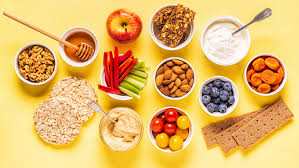
Understanding pregnancy portion sizes involves focusing on nutrient-dense foods and appropriate serving sizes to support both maternal health and fetal development. It’s less about eating “for two” in terms of sheer volume, and more about quality and balance across different food groups.
What Exactly Are Pregnancy Portion Sizes?
Pregnancy portion sizes aren’t a strict rulebook that says you must eat X cups of Y food. Instead, they are helpful guides. They help you eat enough good stuff.
This food helps your baby grow strong. It also keeps you feeling good. Doctors and dietitians often use standard serving sizes.
Think of a serving size like a helpful suggestion.
These suggestions help you get enough vitamins and minerals. They also make sure you have enough energy. During pregnancy, your body needs more.
It needs more folate, iron, calcium, and protein. It also needs more calories. But not a huge amount more, especially early on.
The idea is to eat smarter, not just more.
So, a pregnancy portion size is about matching your food intake to your body’s changing needs. It’s about making sure you get the right building blocks. These blocks are for your baby’s development.
They are also for your own health. It means choosing foods that offer the most nutritional bang for your buck. That way, you can meet those increased needs without overdoing it.
My Own Pregnancy Food Journey
I remember my first pregnancy vividly. I’d heard everyone say, “Eat for two!” My mind immediately pictured piles of food. I started loading my plate.
Then, my doctor gently reminded me. She explained that I wasn’t eating for two adults. I was eating for one adult and one tiny, growing human.
That made a big difference.
I felt a bit silly, but also relieved. It meant I didn’t have to stress about eating huge meals. I just needed to be more mindful.
I started paying attention to the types of food. I focused on colors on my plate. I learned to recognize when I felt truly satisfied.
It wasn’t about restriction. It was about smart choices. I’d often grab a handful of nuts for a snack.
Or have a side of steamed veggies with my lunch. Small, healthy additions made a world of difference.
Understanding Your Plate: A Visual Guide
Imagine your plate:
- Half your plate should be fruits and vegetables. Aim for a variety of colors!
- A quarter of your plate should be lean protein. Think chicken, fish, beans, or tofu.
- The other quarter should be whole grains. Brown rice, whole wheat pasta, or quinoa are great choices.
This simple visual helps you balance your meals without complex counting.
Why Portion Control Matters During Pregnancy
Eating the right amount of food is key. It helps your baby grow healthily. It also helps you stay healthy.
Eating too much can lead to issues. One common issue is gaining too much weight. This can make pregnancy harder.
It can also lead to problems at birth. Sometimes, babies can be born too large. This is called macrosomia.
Gaining too much weight can also increase your risk for conditions like gestational diabetes. This is a type of diabetes that can happen during pregnancy. It affects how your body uses sugar.
It can be managed, but it’s best to avoid if possible. Proper portion sizes help keep your blood sugar steady. This is good for both you and the baby.
On the flip side, not eating enough can also be a problem. If you don’t get enough nutrients, your baby might not grow as well. Your body also needs energy.
Pregnancy takes a lot of energy! So, finding that balance is crucial. It’s about getting the right fuel for the journey ahead.
It ensures your baby gets what they need to thrive.
Calorie Needs: What’s the Real Story?
Many people think pregnant women need to eat double. That’s not quite right. Your calorie needs do go up.
But it’s not a straight doubling. Your body is amazing. It becomes more efficient at using nutrients.
The extra calories you need depend on the stage of your pregnancy.
In the first trimester, you usually don’t need many extra calories. Maybe an extra 100 calories a day. That’s like a small snack.
Think a glass of milk or a piece of fruit. Your baby is very small then. They are just starting to grow.
In the second trimester, your needs increase more. You might need about 300 extra calories a day. This is when your baby is growing faster.
Your body is also changing more. You can often meet this with a slightly larger snack. Or by adding a bit more to your meals.
In the third trimester, your calorie needs are highest. You might need around 450 extra calories per day. This is for your baby’s final growth spurt.
Your body is working hard. Again, focus on nutrient-dense foods. It’s not about empty calories from junk food.
Daily Extra Calorie Needs (Approximate)
- First Trimester: +0 to +100 calories
- Second Trimester: +300 calories
- Third Trimester: +450 calories
Remember, these are estimates. Your individual needs may vary!
Focusing on Nutrient Density
When we talk about pregnancy portion sizes, we’re really talking about nutrient density. This means choosing foods that pack a lot of vitamins and minerals into a small amount. Think of it as getting the most “bang for your bite.” Instead of eating a large, low-nutrient item, you eat a smaller, high-nutrient item.
For example, a big bowl of sugary cereal might have a lot of volume. But it doesn’t offer many essential nutrients. It might give you quick energy, but it won’t build a strong baby.
On the other hand, a small serving of oatmeal with berries and nuts is packed with goodness. It has fiber, protein, healthy fats, and vitamins.
This focus on nutrient density makes portion control easier. You don’t need massive amounts of food. You need the right foods.
This includes plenty of fruits and vegetables. Also lean proteins, whole grains, and healthy fats. Dairy or fortified alternatives are important for calcium and Vitamin D.
Your prenatal vitamin also helps fill in any gaps.
Practical Portion Size Examples
Let’s get down to what this looks like on your plate. These are general ideas. Your own hunger cues are also important.
Fruits and Vegetables
A standard serving of fruit is about the size of your fist. This could be one medium apple, banana, or orange. Or about 1 cup of berries or chopped fruit.
For vegetables, aim for about 1 cup raw or half a cup cooked. A large salad is great! It often counts as 1-2 cups of veggies.
During pregnancy, try to have at least 5 servings of fruits and vegetables daily. More is often better. Think about filling half your plate with them.
Colorful choices are best. They offer a wide range of vitamins and antioxidants.
Daily Fruit & Veggie Goals
- Target: Aim for at least 5 servings a day.
- Serving Size Example: 1 medium fruit OR 1 cup raw veggies OR ½ cup cooked veggies.
- Visual Cue: Fill half your plate with them at meals.
Proteins
A typical serving of protein is about 3-4 ounces. This is roughly the size of a deck of cards. For pregnant women, protein is vital.
It helps build your baby’s tissues and organs. It also supports your own body changes.
Good sources include lean meats like chicken and turkey. Fish is excellent, especially fatty fish rich in omega-3s (choose low-mercury options). Beans, lentils, tofu, and eggs are also fantastic protein sources.
Don’t forget dairy products for calcium and protein too.
Protein Serving Size
- Size: About 3-4 ounces (like a deck of cards).
- Importance: Builds baby’s tissues and supports maternal health.
- Examples: Chicken breast, fish fillet, ½ cup cooked beans, 1 egg.
Grains
Choose whole grains whenever possible. A serving is usually about 1 ounce. This could be one slice of bread.
Or about half a cup of cooked rice, pasta, or oatmeal. Whole grains provide fiber. Fiber is great for digestion and helps you feel full.
They also give you B vitamins and other important nutrients. Aim for your grains to be whole. White bread, white rice, and sugary cereals are less beneficial.
They lack the fiber and nutrients of their whole-grain counterparts. Making this switch helps meet your nutritional needs.
Whole Grain Servings
- Standard Serving: 1 slice bread OR ½ cup cooked rice/pasta/oatmeal.
- Benefit: Rich in fiber and essential nutrients.
- Preference: Opt for whole grain versions whenever possible.
Dairy and Alternatives
Dairy products are key for calcium. Aim for about 3 servings a day. A serving is usually 1 cup of milk or yogurt.
Or about 1.5 ounces of hard cheese. If you can’t have dairy, fortified plant-based milks and yogurts are good options.
Calcium is critical for your baby’s bone development. It’s also important for your own bones. Make sure these are fortified if you’re using non-dairy alternatives.
Check the labels to be sure.
Calcium Sources
- Target: About 3 servings daily.
- Serving Examples: 1 cup milk/yogurt OR 1.5 oz hard cheese.
- Fortification: Look for calcium and Vitamin D in alternatives.
Snacks: The Pregnancy Power-Ups
Snacking is often a big part of pregnancy eating. Your stomach may be smaller. Eating smaller meals more often can help.
It can also prevent you from getting too hungry. Hunger can lead to overeating at the next meal. Snacks are also a great way to boost your nutrient intake.
Think about snacks that combine food groups. This keeps you fuller for longer. A piece of fruit with a small handful of nuts is perfect.
Yogurt with berries is another good choice. Or some whole-grain crackers with cheese. Even hard-boiled eggs are easy and filling snacks.
Avoid relying on sugary snacks like cookies or chips. These give you a quick energy spike. But then you crash.
They don’t offer much in the way of nutrients. They can contribute to unwanted weight gain. Focus on snacks that offer protein, fiber, and healthy fats.
Smart Pregnancy Snacks
- Combine Groups: Aim for protein + fiber/carbs.
- Examples:
- Apple slices with peanut butter
- Greek yogurt with berries
- Whole-wheat crackers with cheese
- A hard-boiled egg
- A small handful of almonds
When to Listen to Your Body
While portion guides are helpful, they aren’t rigid rules. Your body is sending you signals. Pay attention to them!
If you’re feeling truly hungry, eat a bit more. If you’re feeling overly full, it’s okay to stop. Pregnancy can bring weird cravings and aversions.
Sometimes you might crave something less healthy. A small amount is usually fine. It’s about moderation.
If you have a strong aversion to a certain healthy food, don’t force it. Find a healthy alternative. For example, if you can’t stomach milk, try yogurt or a calcium-fortified juice.
There are always other options.
The key is consistency. Most of the time, you want to be making good choices. One less-than-perfect meal or snack won’t derail your pregnancy.
It’s the overall pattern of eating that matters most. Trust your instincts, but keep the general guidelines in mind.
What About Cravings and Aversions?
Cravings are famous during pregnancy! They can be for anything. Sometimes it’s for something sweet, salty, or even specific textures.
Aversions are also common. Foods you used to love might suddenly seem unappetizing. Smells that never bothered you might become overwhelming.
For cravings, try to satisfy them in a healthier way if possible. If you crave something sweet, try fruit first. If that doesn’t hit the spot, a small piece of dark chocolate might work.
If you crave salty snacks, try some air-popped popcorn with a little salt. Or some olives.
If you have a strong aversion to a food group, talk to your doctor or a dietitian. They can help you find replacements. For instance, if the smell of cooking meat makes you sick, focus on other protein sources like beans, lentils, eggs, or tofu.
Your body is telling you something, so listen. But also be proactive in finding solutions.
Navigating Eating Out
Eating out can be tricky when you’re trying to manage portion sizes. Restaurant portions are often much larger than standard servings. This is a common pitfall.
Tips for eating out:
- Order an appetizer as your main meal. This is often a more reasonable portion.
- Ask for half your meal to be packed to go before it even comes to the table. This is a great strategy to control intake.
- Share a meal with your partner or a friend. This way, you can both enjoy and still manage portions.
- Choose grilled, baked, or steamed options over fried foods.
- Ask for sauces and dressings on the side. You can then control how much you use.
Be mindful of what you’re ordering. Many restaurants provide nutrition information online. This can help you make informed choices.
Eating Out Smartly
- Portion Control: Restaurant servings are often large.
- Strategies:
- Order an appetizer as your meal.
- Ask for half to be boxed up immediately.
- Share a main dish.
- Choose healthier cooking methods (grilled, baked).
- Keep sauces/dressings on the side.
The Role of Hydration
Don’t forget about drinks! Staying hydrated is incredibly important during pregnancy. Water is the best choice.
Aim for at least 8-10 glasses of water a day. Sometimes you might need more, especially if it’s hot or you’re active.
Other healthy drinks include milk or fortified plant-based milks. Some herbal teas are considered safe. Limit sugary drinks like soda and juice.
They add calories but not many nutrients. They can also contribute to blood sugar spikes.
Sometimes thirst can be mistaken for hunger. If you’re feeling peckish between meals, try drinking a glass of water first. You might find that it satisfies your craving.
Proper hydration also helps prevent constipation, a common pregnancy complaint.
When to Seek Professional Advice
This guide offers general information. But every pregnancy is unique. If you have concerns about your weight gain, diet, or portion sizes, talk to your healthcare provider.
This includes your OB-GYN or midwife.
A registered dietitian or a nutritionist specializing in prenatal nutrition can be incredibly helpful. They can create a personalized eating plan for you. They can address specific concerns like gestational diabetes, food aversions, or nutrient deficiencies.
Don’t hesitate to ask for their expertise.
They can help you understand your individual calorie and nutrient needs. They can also offer practical tips for managing your diet. This ensures you and your baby are getting everything you need.
It’s a team effort to keep you both healthy.
Frequent Questions About Pregnancy Portion Sizes
Do I really need to eat more food during pregnancy?
Yes, your calorie needs increase, but not by double. The increase is gradual, with the most significant jump happening in the second and third trimesters. The focus should be on nutrient-dense foods to meet these increased needs.
How can I tell if I’m eating the right amount?
Listen to your body’s hunger and fullness cues. Aim for balanced meals with protein, whole grains, fruits, and vegetables. Steady weight gain, as advised by your doctor, is also a good indicator.
If you’re unsure, consult your healthcare provider or a dietitian.
What are some easy ways to increase protein intake?
Include lean meats, poultry, fish, eggs, beans, lentils, tofu, and dairy products in your meals and snacks. A handful of nuts or a Greek yogurt cup are also great protein boosters.
Is it okay to have cravings for unhealthy foods?
Occasional cravings are normal. Try to satisfy them in moderation. If a craving is strong, have a small portion.
Then, try to balance it with nutrient-dense foods throughout the day. Don’t feel guilty about occasional treats.
How much weight should I gain during pregnancy?
Recommended weight gain varies based on your pre-pregnancy weight. Generally, it’s between 25-35 pounds for those with a healthy BMI. Your doctor will advise on your specific target.
Focus on healthy eating rather than solely the number on the scale.
Can I eat for two from the start of my pregnancy?
No, you do not need to eat “for two” from the beginning. Your calorie needs only slightly increase in the first trimester. The biggest increase comes later in pregnancy.
It’s more about eating for quality and specific nutrients than doubling your intake.
Wrapping Up Your Pregnancy Nutrition
Navigating pregnancy nutrition can feel like a lot. But it’s mostly about making smart, balanced choices. Focus on nutrient-dense foods.
Pay attention to your body’s signals. And remember that small, consistent efforts make a big difference. You’ve got this!