Feeling a little unsure about pregnancy weight gain? It’s a big part of the journey, and it’s totally normal to have questions. You want to do the best for your growing baby.
But sometimes, the advice feels confusing. Is there a “right” amount? What foods really matter?
This guide is here to help clear things up. We’ll walk through what to expect, why it’s important, and how to eat well.
Healthy pregnancy weight gain is crucial for both mother and baby. It supports fetal growth, reduces risks of complications, and helps with postpartum recovery. Most women gain between 25-35 pounds, but this can vary based on pre-pregnancy weight and multiple births.
Focusing on nutrient-dense foods and mindful eating is key.
Understanding Pregnancy Weight Gain
So, what exactly is pregnancy weight gain? It’s the total weight you gain from the start of your pregnancy until you give birth. This includes the baby, of course.
But it also covers other important things your body needs. These are things like the placenta, amniotic fluid, extra blood volume, and increased breast and uterus size. Your body also builds up fat stores.
These help fuel labor and breastfeeding.
This extra weight is a sign that your pregnancy is progressing well. It shows your body is preparing to nurture and deliver your baby. It’s not just about eating for two.
It’s about eating smart and nourishing your body for two. Your health care provider will track your weight at each visit. They use this to make sure everything is on track for you and your baby.
Why Weight Gain Matters So Much
Why do doctors and midwives pay such close attention to pregnancy weight gain? Because it has a big impact. Gaining too little weight can mean your baby might be born too small.
This can lead to health problems. It can also make labor and delivery harder. It might even increase the risk of preterm birth.
Your baby needs enough nutrients and energy to grow properly.
On the flip side, gaining too much weight can also cause issues. It can increase the risk of gestational diabetes. It can also lead to high blood pressure in pregnancy.
Larger babies can be harder to deliver. This might mean needing a C-section. Too much weight gain can also make it harder for you to lose weight after the baby arrives.
It can also set you up for weight issues later in life.
Your Pre-Pregnancy Weight is Key
The amount of weight you should aim to gain depends a lot on your weight before you got pregnant. This is often looked at using your Body Mass Index (BMI). Your doctor or midwife will figure out your BMI.
They’ll then give you a target range for weight gain.
For women who start pregnancy at a healthy weight (BMI 18.5-24.9), the usual recommendation is to gain about 25 to 35 pounds. If you were underweight before pregnancy (BMI under 18.5), you’ll likely be advised to gain more, maybe 28 to 40 pounds. If you started at an overweight BMI (25-29.9), the goal is usually a bit less, around 15 to 25 pounds.
For those with obesity (BMI 30+), the target is even lower, about 11 to 20 pounds.
It’s really important to talk to your doctor about your specific target. They know your health history. They can give you the best advice.
This isn’t about a strict number. It’s about healthy growth for you and your baby. Your doctor’s guidance is your best resource here.
The Big Picture of Pregnancy Weight
Let’s break down where that pregnancy weight actually goes. It’s more than just the baby. You’ll find the weight adds up in several places.
Understanding this can make the numbers on the scale feel less mysterious.
Where Your Pregnancy Weight Goes
Baby: Around 7-8 pounds. This is the star of the show!
Placenta: About 1-2 pounds. This organ feeds your baby.
Amniotic Fluid: Around 2 pounds. This fluid cushions the baby.
Uterus Growth: This muscle grows, adding about 2 pounds.
Breast Enlargement: Your breasts get ready for nursing, adding 1-3 pounds.
Increased Blood Volume: Your body makes more blood, about 3-4 pounds.
Extra Body Fluid: Your body holds onto more fluid, adding 3-5 pounds.
Maternal Fat Stores: Your body builds reserves for later, about 6-8 pounds.
See? It’s a lot of different components. Each plays a vital role.
It’s not just fat. It’s all the systems working together. Your body is doing amazing work.
These numbers are estimates. They can change from person to person. But it gives you a good idea of the whole picture.
Navigating Pregnancy Nutrition
Now, let’s talk about diet. This is where many expectant parents feel the most pressure. You want to eat well.
But what does “eating well” actually mean when you’re pregnant? It’s not about restriction. It’s about abundance of nutrients.
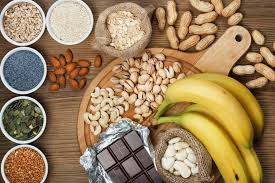
The general advice is to focus on a balanced diet. This means plenty of fruits, vegetables, lean proteins, and whole grains. Think of it as building a strong foundation for your baby’s development and your own well-being.
You don’t need to double your calorie intake, especially in the first trimester. Your calorie needs increase gradually.
In the second trimester, you might need an extra 300-350 calories per day. In the third trimester, it might be closer to 450-500 extra calories. But these are just averages.
Your individual needs can vary. Listening to your body is important. Eating nutrient-dense foods ensures you get the most bang for your caloric buck.
Key Nutrients for Mom and Baby
Certain nutrients are super important during pregnancy. They help build your baby and keep you healthy. Making sure you get enough of these is key to healthy weight gain and overall well-being.
Essential Nutrients Spotlight
Folic Acid (Folate)
Why it’s key: Helps prevent major birth defects of the baby’s brain and spine.
Sources: Leafy green vegetables, fortified cereals, beans, citrus fruits.
Iron
Why it’s key: Carries oxygen in your blood. You need more during pregnancy. Low iron can lead to anemia.
Sources: Lean red meat, poultry, fish, beans, spinach, fortified cereals.
Calcium
Why it’s key: Builds your baby’s bones and teeth. It also helps your body function.
Sources: Dairy products, leafy greens, fortified juices and cereals.
Vitamin D
Why it’s key: Helps your body absorb calcium. Important for bone health.
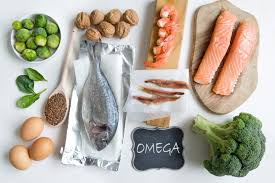
Sources: Fatty fish, fortified milk, sunlight exposure (safely!).
Protein
Why it’s key: Builds baby’s tissues and organs. Essential for your own body changes.
Sources: Lean meats, poultry, fish, eggs, dairy, beans, nuts, seeds.
It’s often hard to get all these nutrients from food alone. That’s why most healthcare providers recommend a prenatal vitamin. This is a smart way to fill any nutritional gaps.
Always talk to your doctor before starting any new supplements.
My Own Pregnancy Nutrition Journey
I remember my first pregnancy vividly. I was so determined to eat perfectly. I’d read all the books.
I thought I knew exactly what to do. Then morning sickness hit. Hard.
For weeks, the smell of anything remotely healthy made me feel ill. My carefully planned meals of salmon and quinoa were replaced by dry crackers and plain toast.
I felt so guilty. Was I starving my baby? Was this going to ruin everything?
I’d look at other pregnant women who seemed to be glowing and eating kale smoothies. I felt like a failure. One day, I was sitting in my doctor’s office, tears welling up, admitting I’d barely eaten anything green in a month.
She smiled so kindly. She said, “Right now, your body is just trying to keep food down. That’s okay.
Focus on what you can eat. Crackers are better than nothing. We’ll get through this.”
That simple conversation was a huge relief. It taught me that pregnancy isn’t always perfect. It’s about adapting.
It’s about doing your best with what you have. For me, it meant focusing on hydration and whatever bland food stayed down. Later, as the nausea eased, I slowly re-introduced more nutrient-rich foods.
It was a gradual process, not an overnight fix. This experience taught me empathy for myself and for others. We’re all just doing our best.
Making Smart Food Choices
So, what does a “smart food choice” look like during pregnancy? It’s about picking foods that offer the most nutritional value. It’s also about avoiding foods that can be harmful.
Healthy Pregnancy Meal Ideas
Breakfast: Oatmeal with berries and nuts. Scrambled eggs with whole-wheat toast. Greek yogurt with fruit.
Lunch: Lentil soup with a side salad. Turkey or chicken breast sandwich on whole grain bread. Quinoa salad with chopped vegetables.
Dinner: Baked salmon with roasted sweet potatoes and broccoli. Lean ground turkey stir-fry with brown rice. Chicken breast with a large mixed green salad.
Snacks: Apple slices with peanut butter. A handful of almonds. A hard-boiled egg.
Cottage cheese with fruit.
It’s also crucial to be aware of foods to avoid or limit. This includes raw or undercooked meats and seafood. Also, limit high-mercury fish.
Unpasteurized dairy products and juices are a no-go. Be cautious with deli meats and hot dogs, too. Always wash fruits and vegetables thoroughly.
These guidelines are for your baby’s safety. Your healthcare provider will give you a full list. Following these recommendations helps ensure you’re building a safe and healthy environment for your baby to grow.
Common Pregnancy Weight Gain Concerns
It’s very common to worry about weight gain. Many women have concerns. Let’s look at some common ones and what they mean.
Weight Gain: Normal vs. Concerning
Normal: Gaining a pound or two each week in the second and third trimesters. Fluctuations are normal.
Concerning: Very rapid weight gain (e.g., more than 2-3 pounds in a week). Sudden weight loss without vomiting. Little to no weight gain over several weeks.
If you notice sudden changes, it’s important to mention them to your doctor. They can help figure out if it’s something to worry about. Often, it’s just a normal part of pregnancy.
But it’s always best to check. Your doctor is there to support you. They can help ease your mind.
Sometimes, cravings can lead to gaining weight faster than planned. It’s okay to enjoy treats in moderation. The key is balance.
If you’re finding it hard to manage your eating habits, talk to your doctor. They might suggest a referral to a registered dietitian. They can offer personalized advice.
Focusing on Healthy Habits, Not Just the Scale
It’s easy to get fixated on the number on the scale. But pregnancy weight gain is about much more than that. It’s about overall health.
It’s about providing the best possible environment for your baby. Try to shift your focus from just weight to healthy habits.
This means moving your body regularly. Gentle walks, swimming, or prenatal yoga are great options. They help with energy levels and can ease some pregnancy discomforts.
It also means staying hydrated. Drink plenty of water throughout the day. Getting enough sleep is also vital.
Your body is working hard!
Remember, every pregnancy is different. Your body is unique. What happens in one pregnancy might not happen in another.
Trust your body. Trust your healthcare provider. They are your best guides.
Celebrate the milestones. Focus on feeling good and nurturing your growing baby. That’s the real goal.
Real-Life Scenarios with Weight Gain
Pregnancy weight gain isn’t always a smooth, predictable line. Let’s look at a couple of common situations.
Scenario 1: The ‘Eating for Two’ Trap
What happens: A common saying is “eating for two.” While calorie needs increase, it’s not double. Many women overeat thinking they need to consume huge amounts. This can lead to excessive weight gain.
The fix: Focus on nutrient density. Small, nutrient-rich snacks and meals are better than large, empty-calorie ones. Listen to your hunger cues.
Scenario 2: The ‘Too Sick to Eat’ Struggle
What happens: Severe morning sickness or hyperemesis gravidarum can make eating very difficult. Some women lose weight initially. This can cause a lot of anxiety.
The fix: Prioritize staying hydrated. Small, frequent sips of water or electrolyte drinks. Focus on bland foods that stay down.
Work closely with your doctor. They can help manage severe nausea and ensure you and the baby get necessary nutrition.
These scenarios highlight that life happens. Pregnancy doesn’t always follow a textbook. The most important thing is open communication with your doctor.
They can help you navigate these challenges. They’ll ensure you get the support you need.
When to Talk to Your Doctor
Your healthcare provider is your best resource for all things pregnancy-related. Make sure to discuss any concerns about your weight gain with them. Here are some specific times to bring it up.
- If you’re gaining weight much faster or slower than your provider recommended.
- If you have sudden, significant changes in weight.
- If you have concerns about your eating habits or any cravings that feel out of control.
- If you have any underlying health conditions that might affect your weight.
- If you feel anxious or stressed about your weight gain.
Don’t hesitate to ask questions. It’s your body and your baby’s health. You deserve clear answers and support.
Your doctor can offer personalized advice and reassurance.
Tips for Healthy Pregnancy Weight Gain
Here are some practical tips to help you achieve healthy pregnancy weight gain. These focus on nourishing your body and mind.
Healthy Habits Checklist
Eat Mindfully
Pay attention to hunger and fullness cues. Eat slowly and savor your food.
Choose Nutrient-Dense Foods
Focus on fruits, vegetables, lean proteins, and whole grains. These give you the most nutrition.
Stay Hydrated
Drink plenty of water throughout the day. Limit sugary drinks.
Gentle Movement
Engage in regular, safe physical activity like walking or swimming. Always get your doctor’s okay.
Prioritize Sleep
Aim for 7-9 hours of quality sleep each night. Your body needs rest to recover.
Manage Stress
Find healthy ways to relax. This could be meditation, deep breathing, or gentle stretching.
Listen to Your Body
Every pregnancy is unique. Adjust your habits as needed and trust your instincts.
These tips are not about perfection. They are about making consistent, healthy choices. Small changes add up over time.
They contribute to a healthier pregnancy for you and your baby.
Frequently Asked Questions
How much weight should I gain in the first trimester?
Weight gain in the first trimester is usually minimal, often between 1 to 4 pounds. Some women may even lose weight due to morning sickness. The focus is more on ensuring you can keep down nutrients and stay hydrated during this phase.
How much weight should I gain in the first trimester?
Weight gain in the first trimester is usually minimal, often between 1 to 4 pounds. Some women may even lose weight due to morning sickness. The focus is more on ensuring you can keep down nutrients and stay hydrated during this phase.
What are the risks of gaining too much weight during pregnancy?
Gaining too much weight can increase your risk of gestational diabetes, high blood pressure (preeclampsia), needing a C-section, and having a larger baby (macrosomia). It can also make it harder to lose weight after birth.
What are the risks of gaining too much weight during pregnancy?
Gaining too much weight can increase your risk of gestational diabetes, high blood pressure (preeclampsia), needing a C-section, and having a larger baby (macrosomia). It can also make it harder to lose weight after birth.
What are the risks of not gaining enough weight during pregnancy?
Not gaining enough weight can lead to your baby being born too small or prematurely. It may also increase the risk of developmental problems for the baby and make labor and delivery more challenging for the mother.
What are the risks of not gaining enough weight during pregnancy?
Not gaining enough weight can lead to your baby being born too small or prematurely. It may also increase the risk of developmental problems for the baby and make labor and delivery more challenging for the mother.
Can I eat whatever I want because I’m pregnant?
While pregnancy is a time to listen to your body, it’s important to make nutritious choices. “Eating for two” doesn’t mean eating double. Focus on nutrient-dense foods and limit processed foods, excessive sugar, and unhealthy fats to support healthy weight gain and your baby’s development.
Can I eat whatever I want because I’m pregnant?
While pregnancy is a time to listen to your body, it’s important to make nutritious choices. “Eating for two” doesn’t mean eating double. Focus on nutrient-dense foods and limit processed foods, excessive sugar, and unhealthy fats to support healthy weight gain and your baby’s development.
What if I have a craving for unhealthy foods?
It’s normal to have cravings! The key is moderation. Allow yourself to enjoy a craving occasionally, but don’t let it derail your healthy eating habits.
Balance it with nutrient-rich foods. If cravings are frequent or overwhelming, discuss them with your doctor.
What if I have a craving for unhealthy foods?
It’s normal to have cravings! The key is moderation. Allow yourself to enjoy a craving occasionally, but don’t let it derail your healthy eating habits.
Balance it with nutrient-rich foods. If cravings are frequent or overwhelming, discuss them with your doctor.
Should I exercise if I’m gaining weight too quickly?
Yes, moderate exercise can be beneficial. It helps manage weight, improve mood, and prepare your body for labor. However, always consult your doctor before starting or changing an exercise routine during pregnancy.
They can advise on safe and appropriate activities for your situation.
Should I exercise if I’m gaining weight too quickly?
Yes, moderate exercise can be beneficial. It helps manage weight, improve mood, and prepare your body for labor. However, always consult your doctor before starting or changing an exercise routine during pregnancy.
They can advise on safe and appropriate activities for your situation.
Final Thoughts on Your Pregnancy Journey
Pregnancy weight gain is a complex but vital part of your journey. It’s a sign of life growing within you. Focus on nourishing your body with good food.
Listen to your healthcare provider. Be kind to yourself. Your health and your baby’s health are the most important things.
You’ve got this!