An anti-inflammatory diet during pregnancy focuses on whole, nutrient-dense foods that help reduce inflammation in the body. This approach aims to support a healthy pregnancy by providing essential vitamins and minerals for both mother and baby while minimizing exposure to inflammatory triggers.
Understanding Inflammation During Pregnancy
Inflammation is your body’s natural way to heal. It’s a signal that something needs attention. During pregnancy, some inflammation is normal.
Your body is changing a lot. It’s growing a whole new person!
However, too much inflammation can cause problems. It might make you feel tired. It could even affect your baby’s development.
Certain foods can make inflammation worse. Other foods can help calm it down. Think of it like a thermostat for your body.
An anti-inflammatory diet aims to turn down the heat. It uses food as medicine. It’s not about strict rules or missing out.
It’s about choosing foods that help your body feel its best. This makes a real difference for you and your baby.
Why an Anti-Inflammatory Diet Matters for Moms-to-Be
When you’re pregnant, your body works overtime. It’s building a tiny human. You need all the right building blocks.
Anti-inflammatory foods provide these blocks. They also help protect your body from harm.
These foods are packed with good stuff. They have vitamins, minerals, and antioxidants. Antioxidants are like tiny bodyguards.
They fight off damage from things called free radicals. Too much free radical damage can lead to inflammation.
A healthy diet helps manage common pregnancy issues. It can help with things like swelling and fatigue. It supports your baby’s brain and body growth.
It also sets a healthy tone for your baby’s future health. What you eat now can influence them for years.
This diet is about balance. It’s about nourishing your body deeply. It helps create a calm, healthy environment for your baby to grow.
It’s a powerful way to care for yourself and your little one.
My Own Journey with Pregnancy Nutrition
I remember my first pregnancy like it was yesterday. I felt so overwhelmed by all the advice. Everyone told me what to eat and what not to eat.
Some of it felt extreme.
I was always a little tired, but during pregnancy, it was on another level. I also started noticing I was more swollen than I thought was normal. My ankles and feet felt puffy.
I was worried. Was this just pregnancy? Or was I doing something wrong?
I decided to talk to a nutritionist. She introduced me to the idea of an anti-inflammatory diet. At first, it sounded complicated.
But she explained it simply. It was mostly about eating more natural, whole foods. Less processed stuff.
More colorful fruits and veggies.
She showed me how simple swaps could make a difference. Instead of white bread, choose whole grain. Instead of sugary drinks, choose water with lemon.
It wasn’t about perfection. It was about making better choices most of the time. This felt so much more achievable.
Slowly, I started to feel better. The swelling seemed to ease up a bit. I felt like I had a little more energy.
It wasn’t magic, but it was a clear improvement. This experience taught me the power of food for a healthy pregnancy. It made me want to share this knowledge with others.
The Pillars of an Anti-Inflammatory Pregnancy Diet
Think of this diet as building a strong foundation. You need good materials. These materials are whole, natural foods.
They are foods that haven’t been messed with too much.
The main focus is on fruits and vegetables. They are full of vitamins and fiber. Fiber helps your digestion.
It also helps keep your blood sugar steady. This is important during pregnancy. Steady blood sugar means more stable energy.
Healthy fats are also key. You need fats for brain development. Your baby’s brain grows a lot in pregnancy.
Good fats come from things like avocados, nuts, and seeds. Fatty fish are also great, but we’ll talk more about that later.
Lean protein is another building block. Protein helps build your baby’s body. It also helps keep you feeling full.
Good sources include chicken, fish, beans, and lentils.
Whole grains give you energy. They also provide important nutrients. Choose things like quinoa, oats, and brown rice.
These are better than refined grains like white bread.
Core Food Groups to Embrace
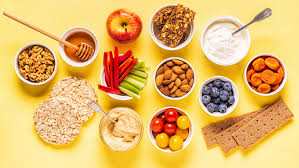
Fruits: Berries, apples, bananas, oranges, pears, melons.
Vegetables: Leafy greens (spinach, kale), broccoli, carrots, sweet potatoes, bell peppers, tomatoes.
Healthy Fats: Avocados, olive oil, nuts (almonds, walnuts), seeds (chia, flax, sunflower).
Lean Proteins: Salmon, chicken breast, turkey, eggs, beans, lentils, tofu.
Whole Grains: Quinoa, oats, brown rice, whole wheat bread (sparingly, if tolerated).
Foods to Emphasize for a Healthy Pregnancy
Let’s get specific. What foods should you fill your plate with? These are your go-to powerhouses.
Berries: Strawberries, blueberries, raspberries. They are packed with antioxidants. They are also naturally sweet.
Enjoy them fresh or frozen.
Leafy Greens: Spinach, kale, romaine. You can put them in salads, smoothies, or stir-fries. They offer folate and iron, which are super important.
Fatty Fish: Salmon, sardines, anchovies. These are rich in Omega-3 fatty acids. Omega-3s are great for your baby’s brain.
Choose low-mercury options. Aim for 2-3 servings a week.
Nuts and Seeds: Almonds, walnuts, chia seeds, flaxseeds. They provide healthy fats and fiber. They make a great snack.
Just a small handful is usually enough.
Avocado: Creamy and full of good fats. Add it to toast, salads, or smoothies. It’s also a good source of folate.
Olive Oil: Use extra virgin olive oil for dressings and cooking. It’s a monounsaturated fat that’s heart-healthy.
Turmeric and Ginger: These spices have strong anti-inflammatory properties. Add them to your cooking or make a warm ginger tea.
Water: Stay well-hydrated. Water is essential for many bodily functions. It helps prevent constipation and swelling.
Add lemon or cucumber for flavor.
Foods to Approach with Caution or Avoid
Just as some foods help, others can hinder. These are foods that can increase inflammation. They often lack nutrients and can be high in unhealthy fats or sugars.
Processed Foods: These are often high in unhealthy fats, sugar, and sodium. Think chips, cookies, sugary cereals, and many pre-packaged meals. They offer little nutritional value.
Sugary Drinks: Soda, sweetened juices, and energy drinks. They cause blood sugar spikes. They contribute to inflammation and weight gain.
Stick to water, unsweetened tea, or milk.
Refined Grains: White bread, white pasta, white rice. They are stripped of their fiber and nutrients. They can cause rapid blood sugar changes.
Unhealthy Fats: Trans fats found in some margarines and fried foods. Saturated fats in fatty cuts of meat and full-fat dairy (in excess). These can promote inflammation.
Artificial Sweeteners and Additives: Some people are sensitive to these. It’s best to stick to natural foods when you can.
Certain Fish: High-mercury fish like shark, swordfish, king mackerel, and tilefish should be avoided during pregnancy. These can harm your baby’s developing nervous system.
Excessive Caffeine: While moderate caffeine is often considered okay, too much can be a concern. Limit it to under 200mg per day. That’s about one 12-ounce cup of coffee.
Foods to Limit or Avoid
Highly Processed Snacks: Chips, crackers, pastries.
Sugary Beverages: Soda, fruit punch, sports drinks.
Fried Foods: French fries, doughnuts, fried chicken.
Refined Baked Goods: White bread, cakes, sugary muffins.
Certain Deli Meats: Unless heated thoroughly, some deli meats can carry Listeria risk.
The Role of Omega-3 Fatty Acids
Omega-3s are stars in the anti-inflammatory world. They are a type of healthy fat. They are crucial for your baby’s development.
Especially for their brain and eyes.
These fats help reduce inflammation. They also support cell function. Your body can’t make them on its own.
You need to get them from food.
The best sources are fatty fish. Think salmon, mackerel, sardines, and anchovies. Aim for about 8-12 ounces of low-mercury fish per week.
This can be challenging if you don’t eat fish often.
Don’t worry if fish isn’t your favorite. You can also find Omega-3s in plant sources. These are called ALA (alpha-linolenic acid).
Your body can convert ALA into EPA and DHA (the types in fish), but not very efficiently.
Good plant sources include:
- Flaxseeds (ground)
- Chia seeds
- Walnuts
- Hemp seeds
If you’re concerned about your intake, talk to your doctor or a registered dietitian. They might suggest an Omega-3 supplement. Look for one that is pure and tested.
Ensure it’s safe for pregnancy.
Omega-3 Focus
Why they matter: Baby’s brain and eye development, reduced inflammation.
Top sources: Salmon, sardines, walnuts, chia seeds, flaxseeds.
Pregnancy recommendation: 8-12 ounces low-mercury fatty fish weekly.
Consider: Supplements if intake is low, after consulting a healthcare provider.
Hydration: More Important Than You Think
Water is often overlooked. But it’s a vital part of any healthy diet. Especially during pregnancy.
Your blood volume increases significantly. You need plenty of water to support this.
Good hydration helps prevent many common pregnancy discomforts. It can reduce headaches. It helps your body carry nutrients to your baby.
It also aids in waste removal.
For expecting moms, water is especially helpful for combating swelling. It might seem counterintuitive. But when you’re dehydrated, your body holds onto water.
Drinking enough helps flush out excess fluid.
Aim for at least 8-10 glasses of water a day. More if you’re active or it’s hot. Listen to your body.
If you feel thirsty, drink up!
What counts as hydration?
- Plain water is best.
- Herbal teas (check pregnancy safety first).
- Milk (dairy or non-dairy).
- Soups and broths.
Try to limit sugary drinks. They can dehydrate you. They also add empty calories.
Infusing water with fruits like lemon, lime, or cucumber can make it more appealing.
Managing Cravings the Healthy Way
Cravings are a real thing in pregnancy! Sometimes your body is signaling a need. Other times, it’s just your mind playing tricks.
Or hormonal shifts.
The key is to not feel guilty. Cravings happen. The goal is to satisfy them without derailing your healthy eating.
It’s about moderation and smart swaps.
If you crave something sweet:
- Try a piece of fruit. Berries are great. A baked apple with cinnamon is also delicious.
- Have a small piece of dark chocolate (70% or higher cocoa).
- A small bowl of Greek yogurt with fruit.
If you crave something salty or crunchy:
- A small handful of unsalted nuts.
- Air-popped popcorn (lightly seasoned).
- Vegetable sticks like carrots or celery with hummus.
- Rice cakes with avocado.
If you crave something rich or creamy:
- Avocado slices.
- A small smoothie made with yogurt and fruit.
- Baked sweet potato fries (instead of regular fries).
Sometimes, a craving is just a sign you’re hungry. Make sure you’re eating enough balanced meals throughout the day. This can prevent intense cravings from hitting.
Smart Craving Swaps
Craving Sweets? Try berries, dark chocolate, or fruit-based desserts.
Craving Salty? Opt for nuts, air-popped popcorn, or veggie sticks.
Craving Creamy? Avocado, Greek yogurt, or sweet potato are good choices.
Key Tip: Ensure you are eating enough balanced meals.
Meal Planning for Pregnancy Wellness
Planning your meals can make a huge difference. It helps you stay on track. It ensures you’re getting a good variety of nutrients.
It also saves you from last-minute unhealthy choices.
Start by thinking about your week. What days are busy? What days do you have more time to cook?
Breakfast ideas:
- Oatmeal with berries and nuts.
- Scrambled eggs with spinach and whole-wheat toast.
- A smoothie with spinach, fruit, and yogurt.
Lunch ideas:
- Large salad with grilled chicken or beans.
- Lentil soup with a side of whole-grain crackers.
- Tuna salad (made with Greek yogurt instead of mayo) on whole-wheat bread.
Dinner ideas:
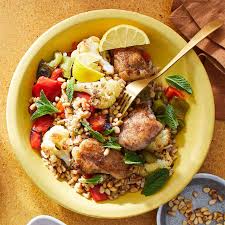
- Baked salmon with roasted broccoli and quinoa.
- Chicken stir-fry with lots of vegetables and brown rice.
- Turkey chili with beans.
Snack ideas:
- Apple slices with almond butter.
- A handful of walnuts.
- Greek yogurt with a few berries.
- Hard-boiled eggs.
Prep ahead when you can. Wash and chop veggies on the weekend. Cook a batch of grains like quinoa or brown rice.
Make hard-boiled eggs for easy snacks. This makes healthy eating much easier during the week.
Gut Health and Pregnancy
Your gut health is super important. It affects your mood, your digestion, and even your immune system. During pregnancy, a healthy gut can help prevent issues like constipation and heartburn.
An anti-inflammatory diet naturally supports a healthy gut. Foods rich in fiber are key. These feed the good bacteria in your digestive system.
Think fruits, vegetables, and whole grains.
Probiotic-rich foods are also beneficial. Probiotics are live bacteria that are good for your gut.
- Yogurt (with live active cultures).
- Kefir.
- Fermented vegetables like sauerkraut or kimchi (in moderation).
Prebiotic foods feed these good bacteria.
- Garlic.
- Onions.
- Bananas.
- Oats.
A healthy gut can mean a happier pregnancy. It helps your body absorb nutrients better. It can also play a role in your baby’s developing gut microbiome.
This can impact their health later on.
Nourishing Your Gut
Fiber is key: Found in fruits, vegetables, whole grains.
Probiotic sources: Yogurt, kefir, fermented foods.
Prebiotic foods: Garlic, onions, bananas, oats.
Benefits: Better digestion, nutrient absorption, supports baby’s microbiome.
Specific Concerns: Gestational Diabetes and Inflammation
If you’ve been diagnosed with gestational diabetes, an anti-inflammatory approach is especially helpful. Gestational diabetes means your blood sugar levels are too high.
This diet naturally helps manage blood sugar. It focuses on whole foods and healthy fats. It limits refined carbohydrates and added sugars.
These are the main culprits behind blood sugar spikes.
Key strategies for gestational diabetes:
- Pair carbohydrates with protein and healthy fats. This slows down sugar absorption.
- Choose complex carbs like whole grains, beans, and vegetables.
- Limit sugary snacks and drinks entirely.
- Eat smaller, more frequent meals.
An anti-inflammatory diet helps because many foods that cause inflammation also raise blood sugar. By reducing inflammation, you’re often also improving blood sugar control. Always follow your doctor’s specific advice for gestational diabetes.
When to Talk to Your Healthcare Provider
This information is for guidance. It’s not a replacement for medical advice. Pregnancy is unique for everyone.
Always discuss your diet with your doctor or midwife. They can give you personalized advice. They can check for any deficiencies.
They can also advise on supplements if needed.
If you have any pre-existing health conditions, this is even more important. Conditions like anemia, preeclampsia, or food allergies need careful management.
Your healthcare team is your best resource. They know your health history. They can help you navigate your pregnancy journey safely and healthily.
Here are some times to reach out to them:
- If you have severe nausea or vomiting.
- If you have concerns about food safety.
- If you are considering major dietary changes or supplements.
- If you experience sudden weight gain or swelling.
Sample Anti-Inflammatory Pregnancy Meal Plan
Here’s a sample day to give you an idea. Remember to adjust portions based on your hunger and needs.
Morning (Breakfast):
Oatmeal made with water or unsweetened almond milk. Top with 1/4 cup blueberries and 1 tablespoon chopped walnuts. A small glass of water.
Mid-Morning Snack:
One medium apple. A small handful (about 1/4 cup) of almonds.
Noon (Lunch):
Large salad with mixed greens, cucumber, tomatoes, bell peppers. Top with 3-4 oz grilled chicken breast or 1/2 cup chickpeas. Dressing made with olive oil and lemon juice.
A glass of water.
Afternoon Snack:
Small container (5-6 oz) of plain Greek yogurt. Mix in 1 tablespoon of chia seeds.
Evening (Dinner):
4 oz baked salmon. 1 cup steamed broccoli drizzled with olive oil. 1/2 cup cooked quinoa.
Water.
Before Bed (Optional):
A small glass of milk or a few bites of fruit if hungry.
Daily Meal Plan Example
Breakfast: Oatmeal with berries and nuts.
Snack: Apple with almonds.
Lunch: Mixed green salad with chicken or chickpeas.
Snack: Greek yogurt with chia seeds.
Dinner: Baked salmon, broccoli, quinoa.
Hydration: Water throughout the day.
Common Questions About Pregnancy Diets
Is it safe to eat spicy foods during pregnancy?
For most women, spicy foods are safe in moderation during pregnancy. They don’t harm the baby. However, they can sometimes cause heartburn or indigestion.
Listen to your body. If spicy food makes you uncomfortable, reduce your intake.
Can I still have occasional treats?
Absolutely! An anti-inflammatory diet is about balance, not deprivation. Enjoying occasional treats in moderation is perfectly fine.
The goal is to make healthy choices most of the time. A small treat here and there won’t derail your progress.
What are the risks of too much inflammation during pregnancy?
High levels of inflammation during pregnancy have been linked to increased risks. These can include preterm birth, preeclampsia, and low birth weight. It can also affect your own well-being, leading to fatigue and discomfort.
Are there specific herbs that are safe during pregnancy?
Many common culinary herbs are safe. These include parsley, basil, oregano, thyme, and rosemary. However, always be cautious with medicinal herbs.
Some can be too potent or have unknown effects. Consult your doctor before using any herbal supplements or teas.
How does this diet help with pregnancy fatigue?
Inflammation itself can make you feel tired. By reducing inflammation, you can feel more energetic. Also, the focus on whole foods provides sustained energy.
Blood sugar spikes and crashes from processed foods are avoided, leading to more stable energy levels.
What about dairy during pregnancy? Is it inflammatory?
For many people, dairy is not inherently inflammatory. It can be a good source of calcium and protein. However, some individuals are sensitive to dairy.
If you experience digestive issues or other problems after consuming dairy, you might consider reducing it. Opt for plain, unsweetened versions if you include it.
Embracing a Nourishing Pregnancy Journey
Eating an anti-inflammatory diet during pregnancy is a powerful act of self-care. It’s about choosing foods that support your body. It helps create a healthy environment for your baby.
It’s a journey of nourishment and well-being.
Remember, it’s not about being perfect. It’s about making conscious, healthy choices most of the time. Small changes add up.
Focus on whole, colorful foods. Stay hydrated. And always listen to your body and your doctor.