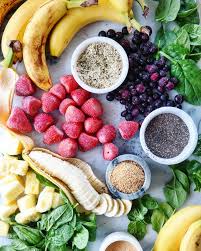
The first trimester of pregnancy is a time of huge change. Your body is working hard. You might feel tired or a little sick. Eating the right foods can help. It gives you and your baby the best start. This guide will help you understand what to eat. We will also give you a sample meal plan. It’s made to be easy and good for you.
A first trimester meal plan focuses on nutrient-dense foods. It aims to provide essential vitamins and minerals like folate, iron, and calcium. The goal is to support early fetal development and manage common symptoms like nausea and fatigue. It includes balanced meals with lean proteins, whole grains, fruits, and vegetables.
What Happens in the First Trimester
Your baby is growing very fast. Tiny organs are forming. Your body needs more energy and nutrients. This is why eating well is so important now. You might notice changes in your appetite. Some days you might feel hungry. Other days, food might not sound good at all. Nausea, often called morning sickness, is common. It can happen any time of day. Fatigue is also a big part of this period. Your body is using a lot of energy to grow the placenta. This is a vital organ for your baby.
Why Smart Eating Matters
Good nutrition helps build your baby’s brain and body. Folate is key for preventing birth defects. Iron helps carry oxygen to your baby. Calcium builds strong bones for both of you. Eating well can also help manage pregnancy symptoms. It can give you more energy. It can make nausea less of a problem. It also sets a healthy tone for the rest of your pregnancy.
Key Nutrients for Early Pregnancy
Let’s talk about the super foods. These are foods packed with good stuff for you and your baby.
Folate (Folic Acid)
This is super important. It helps prevent neural tube defects. These are serious problems with the brain and spine. You need about 400 micrograms of folic acid every day. It’s found in leafy green vegetables. Lentils and beans are also good sources. Many breads and cereals have folic acid added.
Iron
Your blood volume increases a lot. Iron helps make more red blood cells. These carry oxygen. Iron prevents anemia. Anemia can make you very tired. Good sources include lean red meat. Chicken, fish, and beans are also great. Spinach and other dark greens have iron too. Eating vitamin C foods with iron helps your body absorb it better. Think of spinach salad with bell peppers.
Calcium
Calcium helps build your baby’s bones and teeth. It also helps your bones stay strong. Dairy products like milk and yogurt are top sources. Fortified plant milks are good too. Some leafy greens like kale offer calcium.
Vitamin D
This vitamin helps your body absorb calcium. It is also important for your baby’s bone health. Fatty fish like salmon have vitamin D. Some milk and orange juice are fortified with it. Sunlight exposure also helps your body make vitamin D.
Protein
Protein is the building block for your baby’s cells. It is needed for growth. Lean meats, poultry, and fish are good choices. Eggs are a complete protein. Beans, nuts, and seeds offer plant-based protein.
Healthy Fats
Omega-3 fatty acids are important. They help with your baby’s brain and eye development. Fatty fish like salmon and sardines are excellent sources. Walnuts and flaxseeds provide these too.
Quick Nutrient Guide
Folate: Leafy greens, lentils, fortified grains. Protects baby’s brain.
Iron: Red meat, beans, spinach. Fights fatigue.
Calcium: Dairy, fortified milk, kale. Builds bones.
Vitamin D: Fatty fish, fortified foods, sun. Helps calcium absorption.
Protein: Chicken, eggs, beans. For baby’s cell growth.
Healthy Fats: Salmon, walnuts. For brain development.
Foods to Eat
Focus on whole, unprocessed foods. These give you the most nutrients.
Fruits: Berries, apples, bananas, oranges. They provide vitamins, fiber, and hydration.
Vegetables: Broccoli, spinach, sweet potatoes, carrots. Load up on these for vitamins and minerals.
Lean Proteins: Chicken breast, turkey, fish (low mercury), eggs, tofu, beans, lentils. Essential for growth.
Whole Grains: Oatmeal, quinoa, brown rice, whole wheat bread. Provide energy and fiber.
Healthy Fats: Avocado, nuts, seeds, olive oil. Good for you and baby.
Dairy or Fortified Alternatives: Milk, yogurt, cheese. For calcium and vitamin D.
Foods to Limit or Avoid
Some foods can be risky during pregnancy.
High-Mercury Fish: Shark, swordfish, king mackerel, tilefish. These can harm your baby’s nervous system.
Raw or Undercooked Meats and Eggs: Risk of bacteria like Salmonella or Listeria. Cook everything thoroughly.
Unpasteurized Dairy Products: Soft cheeses like brie, feta, or queso fresco unless clearly labeled pasteurized. Risk of Listeria.
Deli Meats and Hot Dogs: Unless heated until steaming hot. Risk of Listeria.
Raw Sprouts: Alfalfa, clover, radish, and mung bean sprouts. Can carry bacteria.
Excessive Caffeine: Limit to about 200 mg per day. That’s roughly one 12-ounce cup of coffee.
Alcohol: No amount of alcohol is considered safe during pregnancy.
Pregnancy Food Safety
Do Eat: Cooked meats, pasteurized dairy, cooked eggs, fruits, vegetables, whole grains.
Limit: Caffeine.
Avoid: High-mercury fish, raw meats/eggs, unpasteurized dairy, deli meats (unless heated), alcohol.
Managing Nausea and Fatigue
These symptoms can make eating tough. Here are some tips.
Eat Small, Frequent Meals: Instead of three big meals, try five or six smaller ones. This can keep your stomach from getting too empty or too full.
Snack Smart: Keep healthy snacks handy. Crackers, fruit, yogurt, or a small handful of nuts can help.
Stay Hydrated: Sip water, clear broths, or diluted juices throughout the day. Sometimes dehydration can worsen nausea.
Bland Foods: For many, bland foods are easier to stomach. Think toast, crackers, rice, or bananas.
Ginger: Ginger is known to help with nausea. Try ginger tea, ginger candies, or ginger ale.
Avoid Strong Smells: Certain cooking smells can trigger nausea. Open windows or cook when someone else is home.
Rest When You Can: Fatigue is real. Listen to your body. Rest whenever possible.
A Sample First Trimester Meal Plan
This is just an example. Your needs might be different. Adjust it based on what you can tolerate and enjoy.
Day 1
Breakfast: Oatmeal made with milk, topped with berries and a sprinkle of chopped nuts. A glass of water.
Mid-Morning Snack: A small apple with a tablespoon of almond butter.
Lunch: Grilled chicken salad sandwich on whole wheat bread. Side of baby carrots. Water.
Afternoon Snack: Plain yogurt with a drizzle of honey.
Dinner: Baked salmon with quinoa and steamed broccoli. A small glass of orange juice.
Evening Snack (if hungry): A few whole-grain crackers.
Day 2
Breakfast: Scrambled eggs (cooked well) with a slice of whole wheat toast. A small banana. Water.
Mid-Morning Snack: A handful of almonds.
Lunch: Lentil soup with a side salad. Water.
Afternoon Snack: A pear.
Dinner: Lean ground turkey stir-fry with mixed vegetables (peppers, onions, snap peas) and brown rice. Water.
Evening Snack (if hungry): A small bowl of cottage cheese.
Day 3
Breakfast: Whole wheat toast with mashed avocado and a sprinkle of salt and pepper. A glass of water.
Mid-Morning Snack: A small container of fruit-on-the-bottom yogurt.
Lunch: Tuna salad (made with Greek yogurt instead of mayo) on whole wheat crackers. Water.
Afternoon Snack: A small orange.
Dinner: Baked chicken breast with roasted sweet potatoes and green beans. Water.
Evening Snack (if hungry): A few slices of cantaloupe.
Day 4
Breakfast: Smoothie made with spinach, banana, milk (or plant-based milk), and a scoop of protein powder or Greek yogurt. Water.
Mid-Morning Snack: A hard-boiled egg.
Lunch: Leftover chicken and sweet potatoes. Water.
Afternoon Snack: A handful of grapes.
Dinner: Whole wheat pasta with a lean meat sauce and a side of steamed zucchini. Water.
Evening Snack (if hungry): A small handful of walnuts.
Day 5
Breakfast: Whole grain cereal with milk, topped with sliced peaches. A glass of water.
Mid-Morning Snack: A small container of applesauce.
Lunch: Hummus and vegetable wrap (whole wheat tortilla, hummus, cucumber, bell pepper, lettuce). Water.
Afternoon Snack: A peach.
Dinner: Baked cod with wild rice and asparagus. Water.
Evening Snack (if hungry): A few rice cakes.
Day 6
Breakfast: Greek yogurt with granola and blueberries. A glass of water.
Mid-Morning Snack: A small bunch of cherries.
Lunch: Turkey and cheese roll-ups (using sliced turkey and cheese) with a side of cherry tomatoes. Water.
Afternoon Snack: A small banana.
Dinner: Small beef and vegetable skewers (lean beef, bell peppers, onions, cherry tomatoes) with a side salad. Water.
Evening Snack (if hungry): A small bowl of popcorn (air-popped).
Day 7
Breakfast: Pancakes made with whole wheat flour, topped with a small amount of maple syrup and a few strawberries. A glass of water.
Mid-Morning Snack: A small apple.
Lunch: Leftover beef and vegetable skewers. Water.
Afternoon Snack: A small container of plain yogurt.
Dinner: Chicken and vegetable soup. Water.
Evening Snack (if hungry): A few whole-grain crackers with a thin slice of cheese.
Meal Prep Tips
Cook in Batches: Make a large pot of soup or chili at the start of the week.
Portion Snacks: Divide nuts, berries, or yogurt into small containers for grab-and-go.
Prep Veggies: Wash and chop vegetables ahead of time for salads or stir-fries.
Hard-Boil Eggs: Keep a batch of hard-boiled eggs in the fridge for quick protein.
Smoothie Packs: Portion fruits and greens into bags for easy smoothies.
Real-World Context: Making it Work
Life doesn’t stop when you’re pregnant. Finding time to eat well can be a challenge. Especially when you’re feeling sick or exhausted.
Your Environment Matters
If you work outside the home, plan your lunches and snacks. A good insulated lunch bag can be a lifesaver. Keep non-perishable snacks at your desk. For those working from home, try to stick to a routine. Set alarms if needed to remind you to eat. Keep healthy options visible and easy to grab.
Habits and Cravings
Pregnancy can bring weird cravings. Sometimes, you might crave things that aren’t the healthiest. Try to satisfy cravings in moderation. If you want something sweet, reach for fruit first. If that doesn’t help, have a small portion of the treat. Don’t feel guilty. It’s about balance. Also, listen to your body. If certain textures or smells bother you, avoid them. Don’t force yourself to eat something that makes you feel worse.
Design and Materials
This might sound odd, but think about your kitchen. Is it easy to prepare healthy food? Do you have containers for leftovers? Is your fridge stocked with good options? Simple things, like having a good blender for smoothies or a reliable set of pots and pans, can make a difference. Having healthy snacks readily available is key.
User Behavior (Your Behavior!)
Be kind to yourself. This is a new phase. You might not eat perfectly every day. That’s okay. The goal is consistent nourishment. If you have a day where you can only stomach crackers, focus on staying hydrated. Tomorrow is a new day to try again. Talk to your partner or friends. Sometimes just sharing your struggles can help.
My Own First Trimester Story
I remember my first trimester vividly. I lived on dry toast and ginger ale for weeks. Nothing else sounded good.
I felt so guilty, worrying about my baby. My doctor told me to focus on staying hydrated and getting nutrients where I could. Even a few bites of fruit or a handful of almonds was better than nothing.
That advice took so much pressure off. It helped me realize that doing my best was enough. Slowly, as the nausea eased, I started adding in more foods.
It was a gradual process.
What This Means For You
Understanding what to eat is helpful. But knowing when to seek advice is important too.
When Eating is Normal
If you are managing nausea with small, frequent meals. If you are able to get enough fluids. If you are eating a variety of foods most days. These are all good signs. It means your body is likely getting what it needs. Even if your appetite is not what it usually is.
When to Worry
You should talk to your doctor or midwife if:
You are unable to keep any food or liquids down for more than 24 hours. This could be a sign of hyperemesis gravidarum, a severe form of morning sickness.
You are losing weight unintentionally.
You have concerns about specific foods or your diet.
You are experiencing extreme fatigue that doesn’t improve with rest.
You notice any signs of dehydration, like dark urine or dizziness.
Simple Checks
Hydration: Check your urine color. It should be pale yellow.
Energy Levels: Are you able to do basic daily tasks? While fatigue is normal, extreme exhaustion might need checking.
Variety: Are you eating from different food groups throughout the week?
Quick Tips and Guidelines
These are not strict rules, but helpful pointers.
Listen to your body: If you’re not hungry, don’t force yourself to eat a huge meal. Small, nutrient-dense snacks are better.
Prioritize hydration: Water is best. But clear broths and diluted juices can help too.
Keep it simple: Focus on easy-to-prepare meals. You don’t need to be a gourmet chef.
Don’t stress perfection: If you have an off day, it’s okay. Focus on overall patterns.
Ask for help: If cooking or meal planning feels overwhelming, talk to your doctor. They can offer more tailored advice or resources.
Making Healthy Choices Easy
Keep a water bottle handy. Sip all day.
Have easy snacks ready. Fruit, nuts, yogurt.
Prepare simple meals. Baked chicken, simple salads.
Don’t aim for perfection. Aim for good enough.
Frequent Questions
What is the most important nutrient in the first trimester?
Folate (or folic acid) is often called the most important nutrient. It plays a critical role in preventing neural tube defects, which are serious birth defects of the brain and spine. Aim for at least 400 micrograms daily.
I have terrible nausea. What can I eat?
When nausea hits hard, focus on bland foods. Try crackers, toast, rice, bananas, applesauce, or plain yogurt. Small, frequent meals can also help. Ginger in tea or candies may also offer relief. Staying hydrated is crucial, even if it’s just sipping water or clear broth.
Is it safe to drink coffee in the first trimester?
Yes, in moderation. It’s generally recommended to limit caffeine intake to about 200 milligrams per day. This is roughly equivalent to one 12-ounce cup of coffee. Excessive caffeine intake has been linked to risks during pregnancy.
Do I need to take a prenatal vitamin?
Yes, taking a prenatal vitamin is highly recommended. It helps ensure you get essential nutrients like folic acid, iron, and calcium that you might not get enough of from your diet alone. Talk to your doctor about the best prenatal vitamin for you.
What if I don’t feel hungry at all?
It’s common to have a decreased appetite in the first trimester due to nausea. Focus on nutrient-dense foods when you can eat. Small, frequent snacks are often easier than large meals. If you are concerned about not eating enough, speak with your healthcare provider.
Are there any specific foods that help with fatigue?
Fatigue in pregnancy is often due to hormonal changes and the increased demands on your body. While no single food can eliminate fatigue, iron-rich foods can help prevent or treat iron-deficiency anemia, a common cause of tiredness. Foods like lean red meat, beans, and spinach are good sources. Ensuring adequate protein and complex carbohydrates for sustained energy is also beneficial.
Wrapping Up the First Trimester
The first trimester is a time of adjustment. Eating well supports your changing body and your growing baby. Focus on nutrient-rich foods and stay hydrated. Don’t worry too much if some days are harder than others. Listen to your body and be gentle with yourself. You’re doing a great job nurturing a new life.