The best pregnancy meal plan focuses on balanced nutrition to support mother and baby. It includes whole foods, lean proteins, healthy fats, and complex carbohydrates. It also addresses common pregnancy discomforts like nausea and fatigue by suggesting frequent small meals and specific food choices. Staying hydrated is key throughout all three trimesters.
Understanding Pregnancy Nutrition
Eating well during pregnancy is so important. It fuels your baby’s growth. It also keeps you healthy and strong.
Your body’s needs change a lot. This happens from the first few weeks to the very end. Think of it like building a tiny house.
Every part needs the right materials. Nutrients are those materials.
We need proteins for building. We need fats for energy and brain growth. We need vitamins and minerals for countless jobs.
These jobs keep you and baby healthy. They help form bones, blood, and organs. Eating a varied diet is the best way to get these.
This means trying many different foods.
Why a Trimester Approach Helps
Your pregnancy happens in three main parts. These are called trimesters. Each trimester has unique demands.
Early on, you might fight morning sickness. Your baby is forming rapidly. Later, your baby grows much bigger.
Your body needs more energy. Thinking about meals trimester by trimester helps. It lets you focus on what’s most important right now.
This way, your meal plan adapts. It changes as your needs change. You won’t try to do too much at once.
It breaks down a big task into smaller, manageable steps. This makes it feel less overwhelming. It helps you give your body exactly what it needs, when it needs it.
First Trimester: Nausea and Building Blocks
The first trimester is a whirlwind. You might just be finding out you’re pregnant. Your baby is growing so fast.
But you might also feel really sick. This is morning sickness. It can happen any time of day.
Even thinking about food can make you feel queasy. It’s hard to eat much.
The focus here is gentle nutrition. We want to get some good food in. We aim to avoid making you feel worse.
Small, frequent meals are key. Big meals can upset your stomach. Aim to eat something every 2-3 hours.
This keeps your blood sugar steady. It can help reduce nausea.
Foods to Try When Feeling Sick
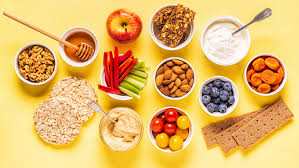
Simple, bland foods often work best. Think plain crackers or toast. Rice cakes are another good choice.
These are easy on the stomach. They help absorb extra stomach acid. Many women find cold foods easier to handle than hot ones.
Yogurt or fruit might be okay when hot meals are too much.
Ginger is known for helping nausea. Try ginger ale (real ginger, not just flavor). Ginger tea can also help.
Small sips of clear liquids are important too. Water is best. Broth or diluted juice can work.
Don’t force yourself to eat things you truly can’t stand. Focus on what you can eat, even if it’s limited.
Key Nutrients for the First Trimester
Even with a small appetite, some nutrients are vital now. Folic acid is super important. It helps prevent birth defects.
Many doctors recommend a prenatal vitamin. This is often the easiest way to get enough folic acid. It also helps provide other key vitamins and minerals.
Iron is also starting to become more important. Your blood volume is increasing. This supports your growing baby.
You may not need a lot more iron yet. But start paying attention to iron-rich foods. Lean meats, beans, and spinach are good sources.
Eating them with vitamin C helps your body absorb iron better.
First Trimester Snack Ideas
Bland & Gentle:
- Plain crackers
- Toast
- Rice cakes
- Dry cereal
- Pretzels
Slightly More Nutritious:
- Apple slices
- Banana
- Yogurt (plain or mild flavors)
- Cottage cheese
Hydration Boosters:
- Water
- Clear broths
- Diluted fruit juice
- Ice chips
My First Trimester Story
I remember my first pregnancy. I was so excited! Then came the nausea.
It hit me like a ton of bricks. I lived on saltine crackers for weeks. My husband would bring me a sleeve of crackers and a glass of water in bed.
Just the smell of cooking food made me run to the bathroom. I felt so guilty that I couldn’t eat properly. I worried about my baby.
One day, I was at the grocery store. I felt a wave of nausea. I grabbed a cold, pre-made smoothie.
It was just fruit and yogurt. I sipped it slowly in the parking lot. It was heavenly.
It was the first thing that felt good in my stomach for days. It reminded me that even small victories matter. Finding one or two things you can tolerate is a huge win.
It’s okay to eat the same few things for a while. The goal is sustenance, not perfection.
Second Trimester: Energy and Growth
Ah, the second trimester. Many women call this the “golden period” of pregnancy. The nausea often fades.
You might start to feel more like yourself again. Your energy levels usually return. Your baby is growing steadily.
Now is a great time to focus on solid nutrition. You can eat more!
This is when you really need to fuel that growth. Your baby is developing organs, bones, and muscles. Your own body needs more nutrients to support these changes.
Think of it as building a bigger, stronger house. You need more materials and more energy for the construction.
Building Blocks for Baby’s Development
Protein is a star player now. It’s the building material for your baby’s cells. Aim for a good source of protein at each meal and snack.
Lean meats like chicken and turkey are excellent. Fish is great too, but choose low-mercury options. Eggs are a fantastic, complete protein.
Beans, lentils, and tofu are wonderful plant-based choices.
Calcium is crucial for bone development. Your baby will draw calcium from your stores. You need enough to build their bones and keep yours strong.
Dairy products like milk, cheese, and yogurt are great. If you don’t do dairy, fortified plant milks or leafy greens can help. Ensure your prenatal vitamin has calcium too.
Second Trimester Food Focus
- Protein Power: Chicken, turkey, fish (low-mercury), eggs, beans, lentils, tofu, Greek yogurt.
- Calcium Sources: Milk, cheese, yogurt, fortified plant milks, leafy greens (kale, spinach).
- Iron Boost: Lean red meat, poultry, fish, fortified cereals, beans, spinach.
- Healthy Fats: Avocados, nuts, seeds, olive oil.
- Complex Carbs: Whole grains (oats, brown rice, quinoa), sweet potatoes, vegetables.
Iron needs continue to rise. Your blood volume increases significantly. This helps carry oxygen to your baby.
Iron-rich foods are a must. If you feel very tired, your iron levels might be low. Talk to your doctor.
They can test your iron levels. Eating iron-rich foods with vitamin C helps your body absorb it better.
Healthy fats are also vital. Omega-3 fatty acids are especially important. They help with your baby’s brain and eye development.
Fatty fish like salmon (cooked and low-mercury) are a good source. Other options include flaxseeds, chia seeds, walnuts, and olive oil.
Meal Prep Tip: Batch Cook Grains
Cooking a big batch of quinoa or brown rice at the start of the week can save you time. Store it in the fridge. Then you can easily add it to salads, stir-fries, or serve it as a side with protein.
This makes healthy meals quicker to assemble.
A Day of Eating in the Second Trimester
Let’s imagine a sample day. Breakfast might be oatmeal topped with berries and a sprinkle of nuts. Or maybe scrambled eggs with spinach and whole-wheat toast.
For a mid-morning snack, Greek yogurt with fruit sounds good. Lunch could be a large salad with grilled chicken or chickpeas. Add some avocado for healthy fats.
Afternoon snack? Maybe an apple with peanut butter. Dinner might be baked salmon with roasted sweet potatoes and broccoli.
Before bed, if you’re hungry, a small glass of milk or a few whole-grain crackers. This plan spreads nutrients throughout the day. It helps keep you full and energized.
Third Trimester: Sustaining Energy and Preparing for Birth
You’re in the home stretch now! The third trimester is about sustained energy. Your baby is growing rapidly.
They are packing on weight. Your body is preparing for labor and delivery. You might feel more pressure and discomfort.
Sleep can be harder to find.
Eating well now is about keeping your energy up. It’s also about getting enough nutrients for your baby’s final development. Many babies gain a significant amount of weight in these last few months.
You need plenty of calories. But focus on nutrient-dense calories. You want the most bang for your nutritional buck.
Digestion and Fullness Challenges
As your baby gets bigger, they push on your stomach and intestines. This can make you feel full faster. It can also lead to heartburn or indigestion.
Smaller, more frequent meals are again a good strategy. Avoid lying down right after eating.
Focus on easily digestible foods. Plenty of fiber is still important for preventing constipation. But make sure you’re drinking enough water.
Fiber without enough water can make things worse. Think about how your body feels. Adjust your portion sizes and food choices based on your comfort.
Essential Nutrients for Final Growth
Omega-3 fatty acids remain important. They continue to support your baby’s brain development. Foods like salmon, walnuts, and flaxseeds are still great choices.
Aim to include them regularly.
Fiber is crucial for digestion. It helps prevent constipation, a common third-trimester issue. Whole grains, fruits, vegetables, and legumes are your best friends.
Load up on these. Remember that water works with fiber to keep things moving smoothly.
Third Trimester Survival Kit
Easily Digestible:
- Cooked vegetables (steamed or roasted)
- Lean chicken or fish
- Smoothies
- Soups
- Rice
- Bananas
High Fiber:
- Berries
- Pears
- Oats
- Quinoa
- Beans
- Lentils
Hydration Helpers:
- Water
- Herbal teas (pregnancy-safe)
- Cucumber slices in water
Protein is still the foundation. Your baby is growing rapidly. Your body needs protein for milk production too.
Even though birth is close, your body is preparing for postpartum. Don’t slack on your protein intake. It helps you maintain energy and rebuild tissues.
Consider foods that are easy to eat when you’re feeling heavy and slow. Smoothies are fantastic. You can pack a lot of nutrients into one drink.
Soups are also a good option. They are hydrating and can be packed with vegetables and protein.
My Third Trimester Realization
In my third pregnancy, I was exhausted. Everything felt hard. I craved comfort food.
But I knew I needed to eat well. I found myself making big pots of lentil soup. I’d freeze it in individual portions.
On days when cooking felt impossible, I’d just heat up a bowl. It was warm, filling, and packed with fiber and protein.
I also started drinking a large smoothie every afternoon. It had spinach (you can’t taste it!), banana, a scoop of protein powder, and almond milk. It was a little treat, but also a nutritional powerhouse.
It gave me a boost to get through the rest of the day. It showed me that simple, pre-prepared meals could be a lifesaver. They kept me nourished even when I felt too tired to think.
Quick-Scan: Trimester Focus
| Trimester | Main Focus | Key Nutrients | Common Challenges |
|---|---|---|---|
| First | Gentle nutrition, nausea management | Folic acid, Iron (starting), Hydration | Morning sickness, Fatigue |
| Second | Energy restoration, Baby’s rapid growth | Protein, Calcium, Iron, Healthy fats (Omega-3s) | Increased appetite, Feeling more active |
| Third | Sustained energy, Final baby development, Prep for birth | Fiber, Protein, Omega-3s, Calories | Fullness, Heartburn, Constipation, Fatigue |
Hydration: The Unsung Hero
We talk a lot about food, but what about drinks? Staying hydrated is incredibly important. It’s vital in every trimester.
Water helps carry nutrients to your baby. It helps your body absorb those nutrients. It keeps your blood volume up.
This is so important for pregnancy.
Aim for at least 8-10 cups of fluids a day. Water should be your main drink. If plain water is boring, try adding a slice of lemon or cucumber.
Other good choices include milk, unsweetened herbal teas (check with your doctor for safe ones), and clear broths. Limit sugary drinks and excessive caffeine.
Hydration Hacks
- Keep a water bottle with you always.
- Set reminders to drink.
- Eat water-rich fruits and vegetables (like watermelon, cucumbers, oranges).
- Sip liquids slowly if you feel full or queasy.
- If you’re exercising, drink extra water.
When to Worry (and When Not To)
It’s natural to worry during pregnancy. But many changes are normal. Feeling tired in the first and third trimesters is common.
Mild nausea is also very common. Having some food aversions is fine. Your baby will be okay.
However, some things need attention. If you can’t keep any food or liquids down for more than 12-24 hours, call your doctor. This could be severe dehydration.
If you have sudden, severe swelling, or headaches that don’t go away, seek medical advice. If you’re concerned about your weight gain or loss, talk to your healthcare provider.
Your doctor or midwife is your best resource. They understand your specific health. They can give you personalized advice.
Trust your instincts, but also trust your medical team. They are there to support you and your baby.
Quick Fixes & Tips for Meal Planning
Planning meals can feel like a big task. Here are some simple ideas. Keep healthy snacks handy.
Nuts, fruit, yogurt, and whole-grain crackers are easy. Prepare some foods ahead of time. Wash and chop veggies.
Cook a batch of grains or lean protein.
Don’t aim for perfection. Some days will be better than others. If you have a day where you only eat toast, that’s okay.
Focus on the overall pattern. Listen to your body. Eat when you’re hungry.
Stop when you’re full.
Meal Planning Shortcuts
- Prep Ahead: Wash fruits & veggies. Cook grains. Hard-boil eggs.
- Easy Proteins: Canned tuna (low-mercury), pre-cooked chicken strips, beans, lentils.
- Smoothie Packs: Portion out fruit, spinach, and seeds into freezer bags. Just add liquid and blend.
- One-Pan Meals: Roast chicken and veggies on one baking sheet. Minimal cleanup.
- Smart Leftovers: Cook double portions for dinner to have lunch the next day.
Frequent Questions About Pregnancy Meal Plans
Is it okay to be a vegetarian or vegan during pregnancy?
Yes, it’s absolutely possible to have a healthy vegetarian or vegan pregnancy. The key is careful planning. You need to ensure you get enough protein, iron, calcium, vitamin B12, and omega-3s.
This might involve fortified foods and supplements. Consulting with a registered dietitian is highly recommended.
How much weight should I gain during pregnancy?
Weight gain recommendations vary. They depend on your pre-pregnancy weight. Generally, women with a healthy pre-pregnancy weight gain about 25-35 pounds.
Underweight women may need to gain more, and overweight women may need to gain less. Your doctor will guide you on appropriate weight gain for your individual needs.
Are there any foods I must avoid?
Yes, certain foods should be avoided or limited. These include raw or undercooked meats, poultry, and seafood. Also avoid unpasteurized dairy and juices, and certain types of fish high in mercury (like shark, swordfish, king mackerel).
Limit caffeine intake. Your doctor will provide a full list.
What are “empty calories”?
Empty calories come from foods high in sugar and unhealthy fats but low in nutrients. Examples include soda, candy, and most processed snacks. During pregnancy, you need nutrient-dense foods.
These provide vitamins, minerals, and energy without filling you up on things that don’t help you or your baby grow.
Can I eat spicy food while pregnant?
For most people, spicy food is generally safe during pregnancy. However, it can sometimes trigger heartburn or indigestion, which are already common. Listen to your body.
If spicy foods make you feel uncomfortable, reduce your intake or avoid them. It doesn’t harm the baby.
How important are prenatal vitamins?
Prenatal vitamins are very important. They help fill any nutritional gaps in your diet. Key nutrients like folic acid, iron, and calcium are often hard to get enough of from food alone.
Always take a prenatal vitamin as recommended by your doctor.
Final Thoughts on Your Pregnancy Journey
Eating well during pregnancy is a marathon, not a sprint. This trimester meal plan is a guide. It helps you think about your needs.
It’s about making smart choices most of the time. Be kind to yourself. Your body is doing incredible work.
Nourishing it is part of taking care of yourself and your baby. Enjoy this special time!