Feeling a bit overwhelmed by all the advice on eating during pregnancy? You’re not alone. It’s a time when you want to do everything right for your growing baby.
But navigating the ‘what to eat’ and ‘how much’ can feel like a minefield. Many moms-to-be just want a simple, visual way to understand healthy eating. This guide is here to offer just that.
We’ll break down how to build a balanced plate. It’s about making sure you and your baby get all the good stuff you need. Think of it as your friendly roadmap to nourishing yourself during this amazing journey.
We want this to feel easy and clear, like chatting with a friend who’s been there.
A balanced pregnancy plate is a visual guide showing how to divide your food into key nutritional groups for each meal. It helps ensure you get the right mix of proteins, healthy fats, complex carbohydrates, and essential vitamins and minerals for a healthy pregnancy.
Understanding the Balanced Pregnancy Plate
So, what exactly is this balanced pregnancy plate we’re talking about? Imagine a regular dinner plate. We’re going to divide it up.
This isn’t about strict rules or counting every single bite. It’s a simple, visual tool. It helps you see at a glance if your meal has a good mix of foods.
Your body is working overtime. It needs fuel and building blocks for two. This plate method makes sure you’re getting those building blocks.
It focuses on whole, nutrient-dense foods. These foods support your baby’s growth and your own well-being. It’s about quality over quantity, and variety too.
Eating this way helps prevent common pregnancy issues. It also sets a good foundation for your baby’s health later on. Many doctors and dietitians recommend this approach.
It’s practical for busy lives. It fits easily into your daily routine. We’ll dive into each part of the plate.
Why is this visual guide so helpful? Think about it. When you’re pregnant, you might experience morning sickness.
Or you might feel extra tired. Planning meals can feel like a huge task. A simple plate layout takes the guesswork out.
You can see your meal and know if it’s on track. It helps you make better choices quickly. This method ensures you’re not just eating.
You’re eating smart for two. It emphasizes getting enough of what your body needs most right now. This includes key nutrients like folate, iron, calcium, and omega-3s.
We’ll talk about why each food group is important. We’ll also share easy food ideas for each. This makes building your balanced plate much easier.
This concept isn’t new in nutrition. We use similar plate models for general healthy eating. For pregnancy, we just adjust the emphasis.
We make sure certain nutrients are highlighted. For instance, protein is super important for your baby’s development. So, we’ll make sure a good chunk of your plate has protein.
Healthy fats are also vital for brain development. And complex carbs give you the energy you need. Fiber from fruits and veggies helps with digestion.
This is a big plus during pregnancy. So, the balanced pregnancy plate is a practical application of established nutrition science. It’s tailored for the unique needs of pregnancy.
It’s a way to empower yourself. You can make informed food choices every day. This helps you feel more in control.
The Core Components of Your Pregnancy Plate
Let’s break down the plate into its main sections. Think of it as painting a picture of health. Each color and section represents a vital food group.
This helps ensure you get a wide range of nutrients. We’ll aim for certain proportions at most meals. This isn’t rigid, but a helpful guide.
It’s about finding a rhythm that works for you. Remember, flexibility is key during pregnancy. Some days will be easier than others.
The goal is to aim for balance most of the time.
The first and largest section should be vegetables and fruits. Aim for about half of your plate. Why so much?
These foods are packed with vitamins. They offer minerals and fiber. Fiber is a pregnancy superhero.
It helps with digestion and prevents constipation. Many women experience this common issue. Eating plenty of colorful fruits and veggies helps keep things moving smoothly.
They also provide antioxidants. Antioxidants help protect your cells. They are low in calories but high in nutrients.
This means you can eat more of them. This helps you feel full and satisfied. Aim for a variety of colors.
Different colors often mean different nutrients.
Think deep greens like spinach and kale. They are rich in folate and iron. Bright oranges and yellows like carrots and sweet potatoes offer beta-carotene.
Berries are full of antioxidants and Vitamin C. Apples and pears provide fiber. Even small amounts of fruit can satisfy a craving.
And you can sneak veggies into so many dishes. Think adding spinach to smoothies. Or grating zucchini into muffins.
This section is your powerhouse of health. It provides hydration too. Many fruits and vegetables have high water content.
Next, let’s look at protein. This should take up about a quarter of your plate. Protein is crucial.
It’s the building block for your baby’s tissues and organs. It also helps your own body grow and repair. During pregnancy, your protein needs increase.
You want to choose lean sources. These provide essential amino acids. They don’t come with a lot of saturated fat.
Good protein sources are vital for baby’s development. They also help you feel full longer. This can help manage appetite.
It can also prevent overeating of less healthy options. Choosing the right proteins supports healthy fetal growth. It also aids in your own recovery postpartum.
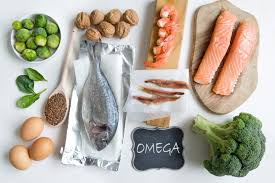
Excellent protein options include chicken breast, turkey, and lean beef. Fish is also great, especially fatty fish for omega-3s. But choose low-mercury options.
Think salmon, sardines, or anchovies. Eggs are another fantastic, complete protein source. They are also easy to prepare.
For plant-based protein, consider beans, lentils, tofu, and tempeh. Nuts and seeds also offer protein. They are great as snacks or added to meals.
Variety here is good. Different proteins offer different nutrient profiles. This ensures a broad spectrum of essential amino acids and micronutrients.
The final quarter of your plate should be whole grains and complex carbohydrates. These are your energy providers. They give you the fuel you need for the day.
They also offer fiber. This is another win for digestion. Whole grains are better than refined grains.
Refined grains have had the bran and germ removed. This removes a lot of the fiber and nutrients. Whole grains keep more of their goodness.
They release energy more slowly. This helps prevent energy crashes. It keeps your blood sugar more stable.
This is especially helpful during pregnancy. Stable energy levels are a relief for many moms. They help manage fatigue and mood swings.
Good choices here include quinoa, brown rice, oats, and whole wheat bread or pasta. Farro, barley, and bulgur are also excellent options. These provide B vitamins, iron, and magnesium.
These are all important during pregnancy. You can also include starchy vegetables like sweet potatoes, corn, and peas in this section. They count towards your energy needs and offer nutrients.
Portion control is important here. While complex carbs are vital, overeating them can still lead to excess weight gain. Aim for a balanced amount that leaves room for protein and veggies.
Don’t forget healthy fats! While not a separate section on the plate, they are woven throughout. Fats are essential for your baby’s brain and eye development.
They also help your body absorb certain vitamins. Aim to include healthy fats in each meal. You can get them from sources like avocado.
Nuts and seeds are also good. Olive oil is a great choice for cooking or dressing. Fatty fish, as mentioned, are rich in omega-3s.
These are especially important for cognitive development. Including healthy fats helps with nutrient absorption. It also contributes to satiety.
This means you feel satisfied after eating. It helps manage cravings for unhealthy fats.
Pregnancy Plate Quick Guide
Overall Goal: Fill your plate with nutritious foods.
- Half Plate: Colorful Vegetables & Fruits
- Quarter Plate: Lean Protein
- Quarter Plate: Whole Grains & Complex Carbs
Don’t Forget: Healthy Fats integrated throughout.
My Own Experience Building a Better Plate
I remember when I first became pregnant. The excitement was huge. But so was the fear of doing something wrong.
Especially with food. I was always a ‘grazer’. I’d snack on whatever was easy.
Often, it was crackers or chips. My doctor gently pointed out my iron levels were a bit low. And I was struggling with energy dips by mid-afternoon.
That’s when she introduced me to the ‘plate method’. Honestly, at first, it sounded like more work. I pictured myself meticulously measuring everything.
But she explained it as a visual guide. It was just about looking at my plate and making smart swaps.
So, I tried it. My first attempt at lunch was a small salad. I had a few slices of chicken.
And a few whole wheat crackers. Looking at it, it felt… light. I realised my ‘protein’ and ‘whole grain’ sections were tiny.
The salad was big, which was good. But I knew I could do better. I went back for a second helping.
This time, I made sure my chicken breast was a decent size. I added a side of roasted sweet potato cubes. I also made sure to load up my salad with extra veggies like bell peppers and cucumber.
I even threw in some avocado slices for healthy fats. It looked so much more substantial. And I felt a lot more satisfied after eating it.
That meal helped me understand.
It wasn’t about restriction. It was about thoughtful inclusion. It was about giving my body the good stuff it craved.
Slowly, this habit changed my thinking. I started looking at food differently. Before, it was just fuel.
Now, it was nourishment. It was building blocks. This shift in perspective was powerful.
It made healthy choices feel less like a chore and more like self-care. And it worked. My energy levels improved.
My iron levels came up. I felt more in control of my pregnancy journey. The plate method became my silent partner in healthy eating.
Practical Ways to Fill Your Pregnancy Plate
Let’s get real here. You’re probably wondering, “What foods fit into these categories?” It’s good to have a list. This makes planning meals much easier.
Remember, variety is key. You don’t want to eat the same thing every day. Your body needs different nutrients.
And your taste buds will thank you.
Veggies & Fruits (Aim for 1/2 Plate)
Leafy Greens: Spinach, kale, romaine, arugula
Cruciferous Veggies: Broccoli, cauliflower, Brussels sprouts
Colorful Veggies: Bell peppers (all colors), carrots, sweet potatoes, tomatoes, zucchini
Fruits: Berries (strawberries, blueberries, raspberries), apples, bananas, oranges, melons, pears
Think about adding a handful of spinach to your scrambled eggs in the morning. Or having an apple with peanut butter for a snack. For lunch, load up your sandwich with lettuce, tomato, and cucumber.
Or make a big side salad. For dinner, steamed broccoli or roasted carrots are easy additions. A side of berries with your yogurt can be a great dessert.
Don’t be afraid to try new fruits and veggies. Look for what’s in season. It’s often fresher and more affordable.
Lean Protein (Aim for 1/4 Plate)
Poultry: Chicken breast, turkey breast
Fish (Low Mercury): Salmon, sardines, cod, tilapia
Eggs: Whole eggs
Legumes: Lentils, beans (black, kidney, pinto), chickpeas
Dairy: Greek yogurt, cottage cheese
Other: Tofu, tempeh, nuts, seeds
A grilled chicken breast for dinner is a classic. Or perhaps a hearty lentil soup. Scrambled eggs for breakfast are quick and filling.
Greek yogurt makes a great base for a smoothie. If you’re vegetarian or vegan, beans and tofu are your best friends. Try making a black bean burger or adding tofu to a stir-fry.
Nuts and seeds are perfect for snacks or sprinkled on salads. Remember to choose lean cuts of meat. Trim visible fat before cooking.
This makes your protein choices healthier.
Whole Grains & Complex Carbs (Aim for 1/4 Plate)
Grains: Quinoa, brown rice, oats, barley, farro, bulgur
Breads/Pastas: 100% whole wheat bread, whole grain pasta
Starchy Veggies: Sweet potatoes, corn, peas, butternut squash
Oatmeal is a fantastic breakfast choice. It’s filling and provides sustained energy. Brown rice or quinoa can be sides for your main meals.
Whole wheat toast is good with avocado or eggs. Sweet potatoes are incredibly versatile. You can bake them, mash them, or roast them.
Just be mindful of portions. A half cup of cooked grains is usually a good serving size. This section is all about providing steady energy.
It helps keep you going throughout the day. It also contributes fiber to your diet.
Healthy Fats (Integrated Throughout)
Avocado: Sliced on toast, in salads, or as guacamole.
Nuts & Seeds: Almonds, walnuts, chia seeds, flax seeds, sunflower seeds.
Oils: Olive oil, avocado oil (use for dressings and cooking).
Fatty Fish: Salmon, sardines (as mentioned in protein).
A few slices of avocado on your whole wheat toast can make a meal. A sprinkle of chia seeds on your yogurt adds omega-3s. Using olive oil to roast your vegetables is a simple way to include healthy fats.
Aim to include a source of healthy fat with most meals. They are so important for your baby’s development. And they help you feel satisfied longer.
This helps prevent snacking on less healthy options.
What about drinks? Water is your best friend. Aim to drink plenty of water throughout the day.
It helps prevent dehydration. It can also help with fatigue and headaches. Other good choices include milk.
It provides calcium and Vitamin D. Unsweetened herbal teas can be nice too. Limit sugary drinks.
They offer empty calories. They can cause blood sugar spikes. And they don’t provide essential nutrients.
Sometimes, pregnancy cravings hit hard. The plate method helps you manage these. If you crave something sweet, try a bowl of berries with a dollop of Greek yogurt.
This gives you sweetness but also protein and fiber. If you crave something salty, try air-popped popcorn. Or a small handful of almonds.
These are better choices. They satisfy the craving without derailing your healthy eating. It’s about making mindful swaps when you can.
It’s not about perfection. It’s about progress.
Real-World Scenarios and Pregnancy Nutrition
Pregnancy doesn’t always happen in a perfectly controlled environment. Life is busy. Sometimes, you’re on the go.
Or you might be dealing with pregnancy symptoms. Let’s see how the plate method fits into real life.
Scenario: Busy Morning
Problem: No time for a sit-down breakfast.
Plate Solution: Blend a smoothie. Use Greek yogurt (protein), spinach (veggies), banana (fruit), and a tablespoon of chia seeds (healthy fat). Add oats (whole grain) if desired.
It’s a portable, balanced meal.
Many mornings, I felt like I was rushing out the door. Making a whole meal seemed impossible. A smoothie was a lifesaver.
It met the plate requirements in a quick, drinkable format. I made sure to add protein and healthy fats. This helped me stay full until lunch.
It prevented me from grabbing a sugary pastry later.
Scenario: Evening Cravings
Problem: Late-night urge for something sweet or crunchy.
Plate Solution: Reach for fruit. An apple or a pear provides natural sweetness and fiber. Or have a small bowl of whole-grain cereal with milk.
These satisfy the craving with more nutrients than processed snacks.
That late-night snack attack was real for me. Instead of raiding the cookie jar, I’d try a baked apple with cinnamon. Or a small bowl of berries.
These still felt like a treat. But they were packed with good stuff. It was a way to acknowledge the craving.
But satisfy it healthily. This helped me avoid unnecessary weight gain.
Scenario: Eating Out
Problem: Restaurant menus can be tricky.
Plate Solution: Look for grilled or baked protein. Ask for a side salad or steamed vegetables instead of fries. Choose whole-grain bread options if available.
Build your plate from the available choices.
Eating out was a challenge initially. I’d often default to pasta dishes. Or fried foods.
But I learned to scan the menu differently. I’d look for the grilled salmon. And ask for extra veggies.
Or choose a lean turkey burger on a whole wheat bun. It’s about making the best choice from what’s offered. You don’t always have to stick to the exact plate proportions.
But aim for a balanced meal overall.
Understanding these scenarios shows the flexibility of the plate method. It’s not a rigid diet. It’s a way of thinking about your food.
It helps you make informed decisions. Even when life is chaotic. It empowers you to nourish yourself and your baby.
It’s about building sustainable habits.
What This Means for You: When to Feel Good and When to Seek Help
Using the balanced pregnancy plate is a wonderful step. It’s a proactive way to support your health and your baby’s growth. Most of the time, following this guide will leave you feeling great.
You’ll have good energy. You’ll be providing your baby with essential nutrients. You’ll likely experience fewer digestive issues.
And you’ll be building a healthy foundation for your baby.
However, there are times when you should pay closer attention. Or seek professional advice. If you’re struggling with severe nausea and vomiting (hyperemesis gravidarum), eating can be incredibly difficult.
In these cases, any food you can keep down is a win. Talk to your doctor. They can offer medical support.
Sometimes, even small sips of water or bland crackers are all you can manage. Your doctor will guide you on nutritional support.
If you have any underlying health conditions, like diabetes or gestational diabetes, your dietary needs will be more specific. The plate method is a good framework, but you’ll need to work closely with your healthcare provider or a registered dietitian. They can help you tailor your meals.
They will ensure you meet your specific medical requirements. They can also help you manage blood sugar levels effectively.
You might also notice that your appetite changes significantly. Some days you might feel ravenous. Other days, food might seem unappealing.
This is normal. Listen to your body. If you’re hungry, eat.
Try to make those meals balanced. If you’re not feeling hungry, try smaller, more frequent meals. Focus on nutrient-dense options.
Even if you can only manage a few bites, make them count. For example, a small glass of milk or a handful of almonds.
It’s also important to monitor how you feel. Are you experiencing excessive fatigue? Are you feeling unwell or weak?
These could be signs that you’re not getting enough of certain nutrients. Like iron or B vitamins. Or perhaps you’re not getting enough calories overall.
Don’t hesitate to discuss these concerns with your doctor or midwife. They can order blood tests. They can help identify any deficiencies.
If you’re feeling overwhelmed by food choices or have significant dietary restrictions (like allergies or intolerances), talking to a registered dietitian who specializes in prenatal nutrition can be invaluable. They can create a personalized meal plan. They can offer practical tips and support tailored to your specific situation.
They have the expertise to guide you. They can ensure you and your baby are getting everything you need.
Ultimately, the balanced pregnancy plate is a tool for empowerment. It helps you make generally good choices. But it’s not a substitute for professional medical advice.
Always discuss your diet and any concerns with your healthcare provider. They are your best resource for a healthy pregnancy.
Quick Tips for Building a Balanced Pregnancy Meal
Let’s sum up some easy-to-remember tips. These will help you put the plate method into practice every day.
- Prep Ahead: Wash and chop veggies on the weekend. Cook a batch of quinoa or brown rice. Hard-boil some eggs. This makes meal assembly much faster during the week.
- Embrace Frozen: Frozen fruits and vegetables are just as nutritious as fresh. They are often more affordable and last longer. Great for smoothies or adding to cooked dishes.
- Smart Swaps: Swap white bread for whole wheat. Choose brown rice over white. Opt for lean meats or plant-based proteins. Small changes add up.
- Listen to Your Body: Eat when you’re hungry. Stop when you’re full. Pregnancy appetites can be unpredictable.
- Hydrate! Keep a water bottle with you. Sip water throughout the day. It’s essential for you and your baby.
- Don’t Stress Perfection: If one meal isn’t perfectly balanced, it’s okay. Focus on the next meal. Aim for balance over the course of the day or week.
- Include Healthy Fats: Add avocado to toast, a sprinkle of nuts to yogurt, or use olive oil for dressings. These are vital for brain development.
- Variety is Key: Try new fruits, vegetables, and protein sources. This ensures you get a wide range of nutrients and keeps meals interesting.
These simple tips can make a big difference. They help integrate healthy eating into your busy pregnancy life. It’s about making small, consistent efforts.
These efforts contribute significantly to your well-being.
Frequently Asked Questions About the Pregnancy Plate
What is the primary goal of the balanced pregnancy plate?
The primary goal is to ensure pregnant individuals consume a variety of nutrient-dense foods at each meal. This visual guide helps balance macronutrients and micronutrients essential for both maternal health and fetal development.
How much protein should I aim for on my pregnancy plate?
You should aim for protein to fill about one-quarter of your plate. Lean protein sources are crucial for building your baby’s tissues and organs. Examples include chicken, fish, eggs, beans, and tofu.
Are there specific fruits and vegetables I should prioritize?
It’s best to prioritize a variety of colorful fruits and vegetables. Dark leafy greens (like spinach and kale) are excellent for folate and iron. Other good choices include berries, sweet potatoes, bell peppers, and broccoli. Different colors often indicate different vitamins and antioxidants.
What if I have strong food aversions or cravings during pregnancy?
Pregnancy aversions and cravings are common. If you’re struggling with certain foods, try to find alternatives within the same food group. For example, if you can’t stomach chicken, try fish or lentils. For cravings, try to satisfy them with healthier versions. Consult your doctor or a dietitian if aversions are severe or prevent you from eating enough.
Can I still eat my favorite “treat” foods while following the pregnancy plate?
Yes, you can enjoy treat foods in moderation. The pregnancy plate is a guide for your main meals to ensure you get essential nutrients. Occasional treats can be part of a balanced pregnancy diet. Focus on enjoying them mindfully and in reasonable portions, not as a replacement for nutritious meals.
How important are healthy fats during pregnancy?
Healthy fats are extremely important during pregnancy. They are vital for your baby’s brain and eye development. They also help your body absorb fat-soluble vitamins. Good sources include avocados, nuts, seeds, and fatty fish like salmon. Aim to include them with your meals.
Conclusion: Nourishing Your Journey
Building a balanced pregnancy plate is a simple yet powerful approach. It guides you toward making nourishing choices. It helps ensure you and your baby get the vital nutrients you need.
Remember, it’s a visual tool to empower you. It’s not about strict rules. It’s about aiming for balance and variety.
This journey is unique. Be kind to yourself. Celebrate the good choices.
And always, always talk to your doctor. They are your best partner.