Eating enough fiber during pregnancy is key for your health and your baby’s. It helps prevent constipation, a common issue. It also aids in managing blood sugar levels.
This guide offers practical ways to boost your fiber intake with delicious and easy meal ideas.
Why Fiber is Your Pregnancy Superfood
During pregnancy, your body works hard. It needs good fuel. Fiber is one of the best things you can give it.
It’s not just about feeling full. Fiber plays a big role in how your body works.
Think of fiber like a gentle broom. It helps move food through your stomach and intestines. This is super important when you’re pregnant.
Hormones can slow things down. This can lead to tummy troubles like constipation. A diet rich in fiber helps keep things moving smoothly.
It makes your bowel movements easier.
Fiber also helps you feel full longer. This can be a lifesaver when you have pregnancy cravings. Instead of reaching for sugary snacks, a high-fiber meal keeps you satisfied.
This can help you manage your weight gain better. It also gives your body steady energy. This is great for busy moms-to-be.
Another big plus? Fiber helps control blood sugar. Your body handles sugar differently during pregnancy.
Some women can develop gestational diabetes. Eating fiber slows down sugar absorption. This keeps your blood sugar levels more stable.
This is good for you and your baby’s health. It means fewer energy crashes too.
So, why is fiber rich pregnancy meals so important? It supports your digestive health, manages hunger, gives you energy, and helps control blood sugar. It’s a simple change with huge benefits.
My Own Pregnancy Fiber Journey
I remember my first pregnancy like it was yesterday. I was so excited to eat “for two.” I thought that meant eating anything and everything. Then, the constipation started.
It was awful. I felt bloated and uncomfortable all the time. I knew I had to do something different.
I talked to my doctor. She told me to focus on fiber. I felt a little overwhelmed.
Where do I even start? My diet was okay, but not great on the fiber front. I started small.
I swapped my white toast for whole wheat. I added a handful of berries to my morning cereal. It wasn’t a huge change, but I felt a slight difference.
Then, I discovered the magic of beans and lentils. Adding a small portion to my soups or salads made them so much more filling. I also started eating more veggies.
Roasting broccoli or bell peppers made them taste so sweet and yummy. I was surprised at how much I enjoyed them.
Slowly, my tummy troubles lessened. I had more energy. I felt less bloated.
It wasn’t a magic fix overnight. It was a steady process of making small, smart food choices. I learned that eating fiber rich pregnancy meals didn’t mean eating boring food.
It meant being a little more mindful and creative. This experience taught me so much about the power of simple, whole foods during pregnancy.
Building Your Fiber-Rich Plate: The Basics
Let’s break down how to build your meals. It’s easier than you think. The key is to choose whole, unprocessed foods.
These are naturally full of fiber.
Focus on these food groups:
Your Fiber Powerhouses
- Whole Grains: Think oats, quinoa, brown rice, whole wheat bread, and pasta. These are great breakfast and dinner bases.
- Fruits: Berries, apples, pears, bananas, oranges. Eat them with the skin on when you can. They are easy snacks.
- Vegetables: Broccoli, spinach, carrots, sweet potatoes, Brussels sprouts. Aim for a rainbow of colors.
- Legumes: Beans (black, kidney, chickpeas), lentils, peas. They are fiber and protein champs.
- Nuts and Seeds: Almonds, walnuts, chia seeds, flaxseeds. A small handful adds a fiber boost.
Start by looking at your current meals. What can you swap? Can your morning cereal be oatmeal?
Can your sandwich bread be whole wheat? These small swaps add up quickly.
Don’t forget to drink plenty of water. Fiber works best when it has water to absorb. Water helps it move through your system.
Aim for about 8-10 glasses of water a day. This is important for everyone, but especially when you’re pregnant and increasing fiber.
Making fiber rich pregnancy meals is about adding these healthy foods in. It’s not about taking away all your favorites. It’s about balance and smart choices.
Breakfast Ideas: Start Your Day Strong
Mornings can be rushed. But breakfast is a prime time for fiber. It sets a healthy tone for the rest of your day.
Plus, it helps beat morning nausea. A good fiber-rich breakfast is filling and steady.
Easy Fiber Breakfast Options
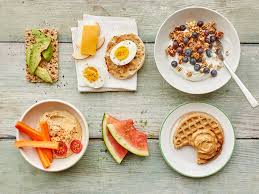
Oatmeal Power Bowl: Cook rolled oats with water or milk. Stir in chia seeds or flaxseeds. Top with fresh berries and a few chopped nuts.
This is a classic for a reason. It’s full of fiber and very filling.
Whole Wheat Toast with Avocado: Mash half an avocado onto two slices of whole wheat toast. Sprinkle with a little salt and pepper. You can add a fried or poached egg for extra protein.
Smoothie Boost: Blend spinach, a banana, some berries, a tablespoon of almond butter, and your milk of choice. Chia seeds are a great addition here too. It’s a quick way to get lots of nutrients and fiber.
Greek Yogurt Parfait: Layer plain Greek yogurt with mixed berries and a sprinkle of whole-grain granola. Ensure your granola has a good amount of fiber.
These options are simple. They use common ingredients. They also provide a good mix of fiber, protein, and healthy fats.
This helps keep your energy levels up. It helps avoid those mid-morning hunger pangs. Focusing on a good breakfast makes finding fiber rich pregnancy meals much easier.
Lunchtime Wins: Fiber-Packed Midday Meals
Lunch is another opportunity to get fiber in. You want something that won’t weigh you down but will keep you going. Think hearty salads, warming soups, or satisfying sandwiches.
Lunchtime Fiber Boosters
Lentil Soup with Whole Grain Bread: A warm bowl of lentil soup is a fiber and protein superstar. Make a big batch and have it ready for lunches. Serve with a slice of hearty whole grain bread for dipping.
Chickpea Salad Sandwich: Mash chickpeas with a little Greek yogurt or mayo, celery, and onion. Serve this on whole wheat bread or in a whole wheat pita. It’s a great vegetarian option.
Quinoa Salad: Mix cooked quinoa with chopped cucumber, bell peppers, tomatoes, and black beans. Dress with a lemon-tahini dressing. This is fresh, filling, and packed with fiber.
Large Green Salad with Toppings: Start with a base of mixed greens. Add a variety of veggies like carrots, broccoli florets, and tomatoes. Top with a scoop of beans or lentils, some seeds, and a light vinaigrette.
These lunches are designed to be satisfying. They keep you full until dinner. They also help combat pregnancy-related digestive issues.
Planning ahead is key for good lunches. Having some ingredients prepped can save you time. Finding fiber rich pregnancy meals often comes down to simple planning.
Dinner Delights: Wholesome and Hearty Meals
Dinner is where you can really pack in the fiber. Think of balanced plates with plenty of vegetables and whole grains. These meals are comforting and nourishing.
Fiber-Rich Dinner Ideas
Salmon with Roasted Sweet Potatoes and Asparagus: Bake a salmon fillet. Roast sweet potato chunks and asparagus spears until tender. This meal is rich in fiber, omega-3s, and vitamins.
Chicken and Veggie Stir-fry with Brown Rice: Stir-fry chicken with a mix of colorful vegetables like broccoli, snap peas, and carrots. Serve over brown rice. Use a low-sodium soy sauce or tamari.
Black Bean Burgers on Whole Wheat Buns: Make or buy black bean burgers. Serve them on whole wheat buns with lettuce, tomato, and onion. A side of sweet potato fries makes it a complete meal.
Whole Wheat Pasta with Marinara and White Beans: Toss whole wheat pasta with your favorite marinara sauce. Stir in a can of rinsed white beans. Add steamed broccoli for extra fiber and nutrients.
These dinners are designed to be appealing. They are also packed with nutrients essential for pregnancy. They show that fiber rich pregnancy meals can be delicious and varied.
Don’t be afraid to experiment with different vegetables and legumes. The more colorful your plate, the better!
Snacks That Snack Right: Fiber on the Go
Snacking is important during pregnancy. It helps maintain energy and manage hunger. Choosing fiber-rich snacks is a smart move.
They keep you full and provide sustained energy.
Smart Snacking Choices
Apple Slices with Peanut Butter: A classic combo. The apple provides fiber, and peanut butter offers protein and healthy fats.
Carrots and Hummus: Crunchy carrots are high in fiber. Hummus, made from chickpeas, adds more fiber and protein.
A Small Handful of Almonds: Almonds are a great source of fiber, healthy fats, and vitamin E. Just be mindful of portion size.
Pear with a sprinkle of Flaxseeds: Pears are a good source of fiber. Adding flaxseeds boosts it even more. They also offer omega-3s.
Edamame: Steamed edamame pods are a fun and fiber-rich snack. They also provide protein.
These snacks are easy to grab. They are portable. They help bridge the gap between meals.
Choosing these over processed snacks makes a big difference in your daily fiber intake. It’s all about making simple swaps to create fiber rich pregnancy meals and snacks.
Hidden Fiber: Sneaky Ways to Boost Intake
Sometimes, you might not even realize how much fiber you’re getting. There are many ways to add fiber without changing your meals drastically. These are the “sneaky” ways to boost your intake.
Sneaky Fiber Additions
Add Beans or Lentils to Soups and Stews: A can of rinsed beans or lentils blends in easily. They thicken the soup and add lots of fiber and protein.
Mix Seeds into Baked Goods: Add chia seeds, flaxseeds, or sunflower seeds to muffin batter, pancake mix, or bread dough.
Sprinkle Seeds on Salads and Yogurt: A tablespoon of seeds can add a good fiber boost to your salads, yogurts, or oatmeal.
Use Whole Wheat Flour in Baking: When making muffins, pancakes, or cookies, swap half or all of the white flour for whole wheat flour.
Blend Veggies into Sauces: Grated zucchini or carrots can disappear into pasta sauces or casseroles. They add fiber and moisture.
These tricks are great for busy moms or picky eaters. They make it easier to reach your fiber goals. It’s about being smart with your ingredients.
Even small additions can make a big impact on your daily intake of fiber rich pregnancy meals.
Understanding Fiber Needs During Pregnancy
How much fiber do you actually need? During pregnancy, your needs increase slightly. This is because your body is working harder and digestion can slow down.
Most health organizations recommend about 25-30 grams of fiber per day for adults. For pregnant women, aiming for the higher end, around 25-30 grams, is a good goal. Some sources suggest slightly more.
It’s always best to talk to your doctor or a registered dietitian.
They can give you personalized advice. They can also help you create a meal plan. This ensures you’re getting enough fiber.
They can also help if you’re struggling with certain foods or have specific dietary needs.
It’s not just about the number. It’s about the quality of the fiber. Whole foods provide a mix of soluble and insoluble fiber.
Both are important for different reasons. Soluble fiber dissolves in water. It helps lower cholesterol and blood sugar.
Insoluble fiber adds bulk to your stool. It helps prevent constipation.
Don’t try to increase your fiber intake too quickly. Doing so can cause gas and bloating. Gradually add fiber-rich foods over a week or two.
This allows your digestive system to adjust. And remember to drink plenty of water!
Meeting these fiber needs contributes to overall wellness. It supports healthy pregnancy outcomes. Focusing on fiber rich pregnancy meals is a key part of this.
It’s a simple, powerful way to care for yourself and your baby.
Common Pregnancy Digestive Issues and Fiber
Pregnancy can bring a host of digestive woes. Constipation is probably the most common. But heartburn and bloating can also happen.
Constipation: As mentioned, fiber is your best friend here. It adds bulk to your stool. This makes it easier to pass.
Along with fiber, regular physical activity (as cleared by your doctor) and adequate hydration are crucial.
Heartburn: While fiber itself doesn’t directly cure heartburn, eating smaller, more frequent meals can help. High-fiber foods tend to be more filling. This can help you avoid overeating.
Some high-fiber foods, like beans, can sometimes cause gas. This might worsen bloating for some.
Bloating: This is often caused by hormonal changes and a slower digestive system. Increasing fiber too quickly can also cause bloating. Start slowly and give your body time to adjust.
Certain fiber-rich foods are more likely to cause gas for some people. For instance, cruciferous vegetables (broccoli, cauliflower) or certain beans might affect you differently.
If you experience significant digestive discomfort, it’s always wise to consult your healthcare provider. They can rule out any other issues. They can offer tailored advice.
But for many, focusing on a balanced intake of fiber rich pregnancy meals is a significant help.
Remember, fiber isn’t a cure-all. But it’s a powerful tool. It helps your body manage the changes that pregnancy brings.
Making conscious food choices can lead to a much more comfortable pregnancy.
When to Seek Professional Advice
While this guide offers helpful tips for creating fiber rich pregnancy meals, it’s not a substitute for professional medical advice.
You should talk to your doctor or a registered dietitian if:
- You have severe or persistent constipation that doesn’t improve with dietary changes.
- You experience significant bloating, gas, or abdominal pain.
- You have concerns about your weight gain during pregnancy.
- You have a history of gestational diabetes or other medical conditions.
- You are struggling to get enough nutrients or fiber despite your best efforts.
- You have any other concerns about your diet or health during pregnancy.
A healthcare professional can assess your individual needs. They can ensure your diet is safe and beneficial for you and your baby. They can also help tailor recommendations to your specific lifestyle and preferences.
It’s always better to be safe. Pregnancy is a unique time. Personalized guidance is key to a healthy journey.
Don’t hesitate to reach out for support.
Frequently Asked Questions About Fiber in Pregnancy
Is it safe to eat a lot of fiber during pregnancy?
Yes, it is generally safe and recommended to eat a good amount of fiber during pregnancy. Fiber is essential for digestive health and can help prevent common pregnancy issues like constipation. However, it’s important to increase your fiber intake gradually and drink plenty of water to avoid gas and bloating.
If you have any concerns, consult your healthcare provider.
How much fiber do I need each day when pregnant?
Most health experts recommend that pregnant women aim for about 25 to 30 grams of fiber per day. This is slightly higher than the general recommendation for adults. This increased intake helps support digestive health and manage blood sugar levels during pregnancy.
Your doctor can give you a more specific target based on your needs.
What are the best sources of fiber for pregnant women?
Excellent sources of fiber for pregnant women include whole grains like oats, quinoa, and brown rice; fruits such as berries, apples, and pears; vegetables like broccoli, carrots, and sweet potatoes; and legumes like beans, lentils, and chickpeas. Nuts and seeds are also good additions.
Can too much fiber cause problems during pregnancy?
Increasing fiber intake too quickly can sometimes lead to gas, bloating, and discomfort. It’s best to gradually add fiber-rich foods to your diet over a week or two. Ensuring you drink plenty of water alongside increased fiber is also crucial.
If you experience severe discomfort, speak with your doctor.
How can I add more fiber to my diet if I have morning sickness?
If morning sickness makes eating difficult, focus on bland, high-fiber foods that are easy to tolerate. Plain oatmeal, whole-wheat toast, bananas, and simple vegetable soups can be good options. Smoothies with added spinach or chia seeds can also be helpful if you find it hard to eat solid foods.
Small, frequent meals are often better than large ones.
Will eating fiber help with pregnancy weight gain?
Fiber can help manage pregnancy weight gain by promoting satiety, meaning you feel fuller for longer. This can reduce cravings for less healthy, high-calorie snacks. While fiber is a helpful part of a healthy diet for weight management, it’s just one component.
Balanced nutrition and regular, doctor-approved exercise are also important.
Conclusion: Nourishing Your Pregnancy Journey
Eating fiber rich pregnancy meals is a simple yet powerful way to support your health. It helps you feel better, manage common pregnancy discomforts, and provide essential nutrients for your baby. Focus on whole foods like fruits, vegetables, legumes, and whole grains.
Small changes can make a big difference. Enjoy the journey of nourishing yourself and your growing family.