Eating balanced meals with enough vitamin C during pregnancy is vital for both you and your baby. It helps your body absorb iron, supports your immune system, and aids in your baby’s tissue development. Getting this essential nutrient through delicious foods is simpler than you might think.
Understanding Vitamin C for Pregnant Bodies
Vitamin C, also known as ascorbic acid, is a powerhouse nutrient. It’s crucial for many bodily functions. During pregnancy, its role becomes even more important.
It acts as an antioxidant. This means it helps protect your cells from damage. It also helps your body build healthy tissues.
Think of it as a builder and protector all in one.
One of its key jobs is helping your body absorb iron. Iron is super important during pregnancy. It helps make more blood for you and your baby.
It also helps carry oxygen. Without enough vitamin C, your body might not absorb iron as well. This could lead to iron deficiency anemia.
That’s something you want to avoid.
Vitamin C also supports your immune system. Pregnancy can put a strain on your body. A strong immune system helps you fight off colds and other minor illnesses.
It also plays a part in your baby’s development. It helps form their bones, cartilage, and skin. So, it’s not just about you; it’s about building a healthy new person.
The amount of vitamin C you need is a bit higher when you’re pregnant. The recommended daily amount for pregnant adults is usually around 85 milligrams. This is not a huge amount.
You can easily get this from your daily food choices. It’s about making smart, simple food selections. You don’t need special supplements if your diet is good.
Knowing this helps us see why focusing on vitamin C is a smart move. It supports your health and your baby’s growth. It’s a building block for a healthy pregnancy.
Let’s look at where you can find this amazing nutrient.
My Own Vitamin C Wake-Up Call
I remember when I was expecting my first child. I was so focused on “eating for two” and making sure I got enough protein and calcium. I had lists of what to avoid and what to include.
But one day, I was feeling extra tired, more than usual. My doctor asked about my vitamin C intake. Honestly, I hadn’t given it much thought beyond “orange juice is good.”
That’s when it hit me. I was probably missing out on a lot of its benefits. I realized I was eating a lot of bland foods.
I was avoiding anything that might be “risky.” This meant my diet was less colorful and exciting than it could be. My doctor explained how vitamin C helps iron absorption. I had been worried about my iron levels too.
It was a big “aha!” moment.
From that day on, I made a conscious effort to add more vitamin C-rich foods. I started my day with a bowl of berries. I added bell peppers to my salads and omelets.
I made sure to include broccoli or other leafy greens with my dinners. It wasn’t a huge change, but it made a noticeable difference. I felt more energetic.
And it gave me peace of mind knowing I was supporting my baby’s development in a deeper way.
Top Food Sources of Vitamin C for Pregnancy
The best way to get vitamin C is through food. Thankfully, many delicious and common foods are packed with it. Fruits and vegetables are your best friends here.
Aim to eat a variety of colorful produce. This ensures you get a wide range of nutrients, including vitamin C.
Citrus fruits are famous for vitamin C. Think oranges, grapefruits, and clementines. A single medium orange can provide more than your daily requirement.
Grapefruit is also a great choice. Just be mindful of potential interactions with certain medications if you are on any.
But it’s not just citrus! Berries are also fantastic sources. Strawberries, blueberries, raspberries, and blackberries are loaded with vitamin C.
They are also full of antioxidants. You can add them to your breakfast, snacks, or desserts.
Don’t forget about other fruits like kiwi, papaya, and cantaloupe. A cup of cubed cantaloupe offers a good dose of vitamin C. Kiwi is a tiny fruit with a huge punch of this vitamin.
When it comes to vegetables, the list is also long and tasty. Bell peppers, especially red and yellow ones, are exceptionally high in vitamin C. They are great raw in salads or cooked in stir-fries.
Broccoli is another excellent choice. It’s versatile and can be steamed, roasted, or added to soups.
Other cruciferous vegetables like Brussels sprouts and cauliflower also contribute. Leafy green vegetables such as kale and spinach are good sources too. Even potatoes, when eaten with their skin, offer some vitamin C.
Tomatoes are another common and healthy option. You can eat them fresh, in sauces, or as juice. They contain a decent amount of vitamin C.
The key is variety. Eating different colors and types of produce ensures you’re getting a spectrum of vitamins and minerals. It also makes your meals more interesting and enjoyable.
Imagine a colorful salad with mixed greens, bell peppers, tomatoes, and berries. That’s a vitamin C party!
Vitamin C Powerhouses for Your Plate
- Oranges: A classic, easy to peel and eat.
- Strawberries: Sweet and versatile in many dishes.
- Bell Peppers: Especially red and yellow for max vitamin C.
- Broccoli: A nutrient-dense green vegetable.
- Kiwi: Small but mighty in vitamin C content.
- Papaya: A tropical treat with good vitamin C levels.
- Tomatoes: Fresh or cooked, they add a good boost.
Simple Vitamin C Meals and Snack Ideas
Putting these foods into actual meals can seem daunting at first. But it’s really about simple additions and swaps. You don’t need to be a gourmet chef to eat well during pregnancy.
For breakfast, start with a bowl of oatmeal or yogurt. Top it with fresh strawberries, blueberries, or raspberries. You could also blend some spinach and a few berries into a smoothie.
Add a splash of orange juice for extra flavor and vitamin C.
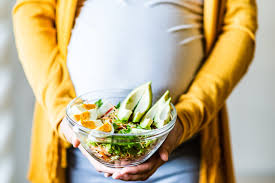
Lunch can be a large, colorful salad. Use mixed greens as your base. Add chopped bell peppers (red, yellow, orange), cherry tomatoes, and perhaps some grilled chicken or chickpeas.
A light vinaigrette dressing works well. Or, consider a hearty lentil soup. Lentils are great for iron, and adding some chopped tomatoes or a side of bell pepper strips boosts vitamin C.
Sandwiches can be made more nutritious too. Instead of just lettuce, add thin slices of bell pepper or tomato. A side of fruit salad with kiwi and oranges is a great way to round it out.
Dinners offer many opportunities. Baked salmon or chicken breast is a good protein choice. Serve it with a side of steamed broccoli or roasted Brussels sprouts.
You can even add a fresh orange or grapefruit segment to your plate.
Stir-fries are excellent for packing in vegetables. Use broccoli florets, sliced bell peppers, and snap peas. Add your favorite lean protein like shrimp or tofu.
A light soy-ginger sauce ties it all together.
Even simple snacks can be vitamin C-rich. Keep a bowl of Clementines on your counter. Have a small container of mixed berries ready in the fridge.
A handful of cherry tomatoes can be a satisfying snack. Or, try some homemade kale chips seasoned with a little salt and lemon juice.
Consider pairing foods that are good for iron with vitamin C sources. For example, if you’re having a meal with beans or lean red meat (in moderation), have a side of bell peppers or a glass of orange juice. This synergy helps your body use the iron more effectively.
The goal is to make these foods a natural part of your day. You don’t need to force yourself to eat things you dislike. Find the vitamin C-rich foods that you genuinely enjoy.
That way, it becomes a sustainable and pleasant part of your pregnancy journey.
Quick Snack Combos for Vitamin C
Label: Fruit & Veggie Pairings
Notes: Combine these for a nutrient boost.
- Orange + Almonds: Sweet and crunchy.
- Bell Pepper Strips + Hummus: Savory and satisfying.
- Yogurt + Mixed Berries: Creamy and fresh.
- Kiwi + Cottage Cheese: Tangy and protein-rich.
Real-World Context: Vitamin C in Your Home
Think about your typical day. Where do you spend most of your time? In your kitchen, preparing meals.
In your living room, perhaps snacking. In your bedroom, resting. The environment where you eat and prepare food matters.
Having fresh fruits and vegetables readily available is key. If your fridge is full of produce, you’re more likely to reach for it. Keep a fruit bowl on the counter.
Wash and chop some veggies, like bell peppers and carrots, at the start of the week. Store them in clear containers in the fridge. This makes grabbing a healthy snack super easy.
Your habits play a huge role. Are you someone who eats breakfast on the go? Can you incorporate a piece of fruit or a small smoothie into that routine?
If you tend to snack while watching TV, switch out chips for a bowl of berries or some cucumber slices with a little lemon juice.
The design of your kitchen can also influence your choices. If your cutting board and knives are easily accessible, you might be more inclined to chop up some fruit or veggies. If your blender is right there, smoothies become a breeze.
User behavior is also important. Many people reach for processed snacks out of habit or convenience. Understanding this helps you plan.
If you know you’ll be tempted by cookies at 3 PM, prepare a delicious fruit salad at 10 AM to have ready.
Consider seasonal produce. Many fruits and vegetables are more affordable and flavorful when they are in season. In summer, think berries and tomatoes.
In winter, citrus fruits and root vegetables like sweet potatoes (which have some vitamin C) become more prominent.
It’s also about how you cook. Vitamin C is sensitive to heat. Overcooking vegetables can reduce their vitamin C content.
Steaming, stir-frying, or eating raw is often best for preserving this nutrient. Think about quick cooking methods.
In American homes, convenience is often king. So, finding vitamin C-rich foods that are also convenient is a win-win. Pre-cut fruits and vegetables are a good option if you’re short on time, though they can be pricier.
When Vitamin C Intake is Normal and When to Be Concerned
Most of the time, if you eat a varied diet with plenty of fruits and vegetables, your vitamin C intake is probably fine. A single orange, a cup of strawberries, or a medium bell pepper can easily meet your daily needs.
If you’re eating a balanced diet that includes a variety of colors from produce each day, you are likely getting enough. Signs of normal intake include feeling generally well, having good energy levels, and experiencing a healthy pregnancy. Your body is effectively using the nutrients it receives.
You might be concerned if your diet is very restrictive. This could be due to picky eating habits, food allergies or intolerances, or a strong dislike for most fruits and vegetables. If your meals are consistently lacking in fresh produce, it’s worth paying attention.
Signs that you might not be getting enough vitamin C can be subtle. These include:
- Fatigue: Feeling unusually tired or weak.
- Easy bruising: Noticing bruises on your skin more often.
- Sore gums: Gums that bleed easily when brushing or flossing.
- Slow wound healing: Cuts and scrapes taking longer than usual to heal.
- Frequent infections: Catching colds or other illnesses more often than you used to.
These symptoms are not exclusive to low vitamin C. Many things can cause them. However, if you notice a combination of these and your diet is lacking in vitamin C sources, it’s a signal to check in.
If you are diagnosed with a vitamin C deficiency, it’s called scurvy. This is very rare in developed countries today. But mild deficiencies can happen.
Your healthcare provider can assess your diet and symptoms. They can recommend specific food sources or, in rare cases, supplements.
What this means for you is simple: pay attention to your plate. Aim for variety and color. If you have concerns about your diet or symptoms, talk to your doctor or a registered dietitian.
They can provide personalized advice. They can help ensure you and your baby are getting all the nutrients you need for a healthy pregnancy.
Vitamin C: Normal vs. Concerning
Normal Intake Signs:
- Balanced diet with fruits/veg.
- Good energy levels.
- Healthy healing.
Potential Low Intake Signs:
- Fatigue.
- Easy bruising.
- Sore gums.
- Slow healing.
Quick Tips for Boosting Vitamin C During Pregnancy
You don’t need a complete diet overhaul. Small, consistent changes can make a big difference in your vitamin C intake. These tips are easy to weave into your daily routine.
Eat the rainbow: Aim for fruits and vegetables of different colors. Red peppers, orange oranges, yellow mangoes, green broccoli, blue blueberries. Each color often signifies different nutrients.
Snack smart: Keep fruit and cut veggies handy. A bowl of strawberries, a sliced bell pepper, or an orange are perfect. They are easy to grab and eat anytime.
Add to your morning routine: Toss berries into your cereal, oatmeal, or yogurt. Blend a handful of spinach and some fruit into a morning smoothie.
Make salads a staple: Load up your salads with vitamin C-rich veggies like bell peppers, tomatoes, and leafy greens. Add some citrus segments for extra zest.
Don’t overcook vegetables: Vitamin C is delicate. Steam vegetables until tender-crisp. Stir-fry them quickly.
Eating some raw is even better for preserving nutrients.
Drink it up (smartly): While whole fruits are best, a small glass of 100% orange juice can contribute. Just be mindful of sugar content. Pair it with a meal to help with iron absorption.
Include vitamin C with iron-rich foods: If you’re eating meat, beans, or fortified cereals, add a source of vitamin C to the same meal. This improves iron absorption.
Try new recipes: Explore recipes that highlight fruits and vegetables. Think fruit salsas, veggie wraps, or fruit-infused water. This keeps your meals exciting.
Consider frozen: Frozen fruits and vegetables are often picked at peak ripeness and flash-frozen. This locks in nutrients, including vitamin C. They are a convenient and healthy option.
Listen to your body: Pay attention to what foods appeal to you. Cravings can sometimes signal a need for certain nutrients. If you’re craving a salad with lots of veggies, go for it!
Quick Vitamin C Boosters:
Quick Scan:
| Mealtime | Add berries to breakfast. Toss bell peppers in salads. Pair with iron-rich meals. |
| Snacks | Oranges, kiwi, tomato slices. Fruit salad. |
| Cooking | Steam or stir-fry veggies. Eat raw when possible. |
Frequently Asked Questions About Vitamin C and Pregnancy
Can I take vitamin C supplements during pregnancy?
It’s best to get vitamin C from food sources whenever possible. Most prenatal vitamins include vitamin C. If you are considering a separate vitamin C supplement, talk to your healthcare provider first.
They can advise on the appropriate dosage and ensure it’s safe for you.
What foods are high in vitamin C but also safe during pregnancy?
Most foods naturally high in vitamin C are perfectly safe and encouraged during pregnancy. This includes fruits like oranges, strawberries, kiwi, and berries. Vegetables like bell peppers, broccoli, tomatoes, and spinach are also excellent choices.
Always ensure produce is washed thoroughly before eating.
Is it okay to drink orange juice during pregnancy?
Yes, a moderate amount of 100% orange juice can be a good source of vitamin C. However, be mindful of the sugar content. It’s often recommended to eat whole fruits rather than drink juice, as whole fruits provide fiber.
If you drink juice, limit it to about 4-6 ounces per day and consider pairing it with a meal to help with iron absorption.
How much vitamin C do I need daily while pregnant?
The recommended daily intake of vitamin C for pregnant adults is typically around 85 milligrams (mg). This amount can usually be easily met through a balanced diet rich in fruits and vegetables. Your prenatal vitamin may also contribute to this daily total.
Can too much vitamin C be harmful during pregnancy?
Vitamin C is water-soluble, meaning your body flushes out what it doesn’t need. Very high doses from supplements, well over the recommended amount (usually thousands of milligrams), can potentially cause digestive upset like diarrhea or nausea. Stick to food sources and recommended supplement levels advised by your doctor.
Does vitamin C help with pregnancy nausea?
While vitamin C itself doesn’t directly cure nausea, some women find that certain vitamin C-rich foods, like plain crackers with a slice of orange, can help settle their stomachs. The tartness of citrus can sometimes be appealing when feeling queasy. However, this is anecdotal and not a guaranteed remedy.
Are there any fruits high in vitamin C that I should avoid during pregnancy?
Generally, no common fruits that are high in vitamin C need to be avoided specifically for their vitamin C content during pregnancy. As always, it’s important to consume a balanced diet and follow general pregnancy food safety guidelines. Wash all fruits thoroughly.
Conclusion: Brighten Your Plate, Brighten Your Pregnancy
Nourishing yourself and your baby during pregnancy is a journey. Focusing on vitamin C is a simple yet powerful step. By incorporating colorful fruits and vegetables into your meals, you’re giving your body essential support.
You’re helping your own health and your baby’s healthy development. Enjoy the delicious journey!