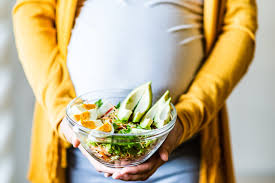
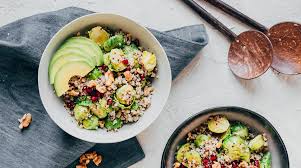
A pregnancy diet for underweight individuals focuses on nutrient-dense foods to promote healthy weight gain and support fetal development. It emphasizes regular meals, smart snacking, and adequate calorie intake from balanced sources like proteins, healthy fats, and complex carbohydrates. Consulting a healthcare provider is crucial for personalized advice.
Understanding Pregnancy Nutrition for an Underweight Body
When you’re pregnant, your body is working overtime. It’s building a whole new person. For those who started pregnancy underweight, this can mean an extra focus on nutrition.
The goal isn’t just about gaining weight. It’s about gaining the right kind of weight. This weight supports your baby’s growth and your own health during this amazing time.
Being underweight can sometimes mean your body has fewer reserves. It might also mean you need to be more mindful of getting all the vitamins and minerals your baby needs. This is about nourishment, pure and simple.
We want you to feel strong and know you’re giving your baby the best start. Let’s look at why this is so important.
Why a Specific Diet Matters When Underweight
Starting pregnancy at a lower weight can bring some unique challenges. Your body needs extra calories. It also needs a rich supply of nutrients.
These are vital for your baby’s brain development. They also help form your baby’s organs. They are important for building their bones.
Adequate weight gain helps lower the risk of preterm birth. It also helps reduce the chance of your baby being born with a low birth weight. Low birth weight can lead to health problems later on.
Your own body also needs good nutrition. It needs it to handle the demands of pregnancy. It needs it for labor and delivery.
And it needs it for postpartum recovery. This is why focusing on a pregnancy diet for underweight women is key. It’s not about eating junk food.
It’s about smart, healthy eating.
Think of it this way: your baby is a tiny, demanding garden. You are the soil and the sunlight. To help that garden grow strong, you need to provide the richest soil.
You need to offer the best nourishment. For pregnant individuals who are underweight, this means being extra thoughtful about what goes into their bodies. It ensures that the building blocks for that new life are plentiful.
It also means your body is strong enough to carry the pregnancy to term. This proactive approach sets a positive tone for the entire journey. It builds confidence in your ability to nourish both yourself and your growing baby.
My Own Experience: The Day I Realized I Needed to Eat More
I remember being in my first trimester. I was so excited, but also pretty nauseous. Like many women, I had a lot of morning sickness.
I was barely keeping anything down. I was already on the slimmer side before getting pregnant. My doctor mentioned I needed to gain weight.
Honestly, I felt a bit overwhelmed. My energy levels were so low. One afternoon, I was trying to do some light cleaning.
I had to sit down after just a few minutes. I felt completely drained. It hit me then.
This wasn’t just about the baby. It was about my own strength. I was literally running on empty.
I felt a pang of real worry. What if I couldn’t get enough nutrients? What if my baby wasn’t getting what they needed?
That day, I made a promise to myself. I would tackle this head-on. I needed a solid plan.
I needed to find ways to eat more, even when I felt sick. It was a turning point. It made me realize how important every single bite is.
I started small. I focused on snacks every two hours. I didn’t aim for huge meals.
I just tried to get something nutritious in me consistently. Things like a handful of almonds, some Greek yogurt, or a small smoothie became my best friends. It wasn’t easy.
Some days were harder than others. But seeing that number on the scale tick up slowly felt like a huge victory. It wasn’t just a number.
It was proof I was doing better. It was proof I was nourishing myself and my growing little one. This experience taught me so much about listening to my body.
It taught me about the power of small, consistent efforts.
Key Nutritional Goals for Underweight Pregnancies
Protein: Essential for baby’s growth. Aim for lean meats, fish, eggs, beans, and dairy.
Healthy Fats: Important for brain development. Think avocados, nuts, seeds, and olive oil.
Complex Carbs: Provide sustained energy. Choose whole grains, fruits, and vegetables.
Vitamins & Minerals: Especially iron, calcium, folic acid, and vitamin D. Prenatal vitamins are key.
What to Eat: Building Your Nutrient-Rich Pregnancy Plate
So, what does this “nutrient-dense” eating actually look like? It’s all about choosing foods that pack a punch. They give you lots of vitamins, minerals, and calories in a smaller package.
You want to avoid “empty calories.” These are foods that give you calories but few nutrients. Think sugary drinks or lots of fried snacks. Instead, focus on whole, unprocessed foods.
These are your best friends right now.
Start with protein. Protein is the building block for your baby. It also helps you feel full.
Good sources include lean meats like chicken and turkey. Fish is excellent, especially fatty fish like salmon (low in mercury). Eggs are a superfood for pregnancy.
Don’t forget plant-based proteins. Beans, lentils, tofu, and nuts are fantastic choices. Aim to include a protein source at every meal and snack.
Next, healthy fats. These are crucial for your baby’s brain and eye development. They also help your body absorb certain vitamins.
Avocados are a gift from nature. Nuts and seeds, like almonds, walnuts, and chia seeds, are great. Olive oil is a wonderful addition to salads and cooking.
Try to get these healthy fats in daily.
Carbohydrates are your energy source. You need good energy for pregnancy! Choose complex carbohydrates.
These release energy slowly. They also contain fiber. Whole grains are the best.
Think oatmeal, whole-wheat bread, brown rice, and quinoa. Fruits and vegetables are also packed with carbs. They also give you vitamins, minerals, and fiber.
Aim for a rainbow of colors to get a wide range of nutrients.
Don’t forget calcium and vitamin D. These are vital for your baby’s bones and teeth. Dairy products like milk, yogurt, and cheese are good sources.
Fortified plant milks can also work. Leafy green vegetables like kale and spinach provide calcium. Vitamin D can be found in fatty fish and fortified foods.
Many people need a supplement for vitamin D. Your doctor will advise on this.
Iron is another big one. Your blood volume increases a lot during pregnancy. You need iron to make more red blood cells.
Good sources include red meat, poultry, fish, beans, and spinach. Vitamin C helps your body absorb iron. So, eat iron-rich foods with citrus fruits or bell peppers.
Folic acid (or folate) is non-negotiable. It prevents serious birth defects of the brain and spine. It’s found in leafy greens, beans, and fortified cereals.
Most healthcare providers recommend a prenatal vitamin. This ensures you get enough folic acid and other essential nutrients.
Smart Snacking Ideas
- Greek yogurt with berries and nuts
- Apple slices with peanut butter
- A small handful of almonds or walnuts
- Hard-boiled egg
- Cottage cheese with fruit
- A small smoothie with fruit, spinach, and yogurt
Sample Meal Plan: Putting It All Together
Creating a sample meal plan can make things feel more manageable. Remember, this is just a guide. You should always adjust it based on your preferences and your doctor’s advice.
The key is consistent eating throughout the day.
Breakfast:
Option 1: Oatmeal made with milk (or fortified plant milk). Top with sliced banana, a tablespoon of chopped walnuts, and a sprinkle of cinnamon. A glass of water or diluted juice.
Option 2: Scrambled eggs (2-3) with a side of whole-wheat toast. Add some spinach to the eggs for extra nutrients. A small glass of milk.
Mid-Morning Snack:
Option 1: A cup of full-fat Greek yogurt with a handful of mixed berries. Option 2: An apple sliced with 2 tablespoons of almond butter.
Lunch:
Option 1: A large salad with grilled chicken or salmon. Include lots of mixed greens, bell peppers, cucumbers, and a healthy vinaigrette made with olive oil. A small whole-wheat roll on the side.
Option 2: Lentil soup with a side of whole-grain crackers. Add a small piece of cheese.
Afternoon Snack:
Option 1: A small avocado mashed onto a slice of whole-wheat toast. Sprinkle with a little salt and pepper. Option 2: A small handful of mixed nuts and dried fruit (watch sugar content of dried fruit).
Dinner:
Option 1: Baked salmon (about 4 oz) with a side of roasted sweet potatoes and steamed broccoli. Option 2: Lean ground turkey stir-fry with mixed vegetables (like carrots, snap peas, bell peppers) served over brown rice. Use a light, soy-based sauce.
Evening Snack (if needed):
Option 1: A glass of milk. Option 2: A small bowl of whole-grain cereal with milk.
This plan focuses on eating every 2-3 hours. It mixes protein, healthy fats, and complex carbs in each meal and snack. It aims for nutrient density.
Remember to drink plenty of water throughout the day. Sometimes thirst can be mistaken for hunger.
| Food Item | Key Nutrients | Why it’s Good |
|---|---|---|
| Salmon | Omega-3s, Protein, Vitamin D | Brain development, energy |
| Eggs | Protein, Choline, Vitamins | Baby’s growth, brain health |
| Sweet Potatoes | Vitamin A, Fiber, Complex Carbs | Baby’s vision, energy |
| Lentils | Iron, Folate, Protein, Fiber | Red blood cells, baby’s development |
| Avocado | Healthy Fats, Folate, Potassium | Baby’s brain, your energy |
Real-World Challenges and How to Overcome Them
Life happens. Even with the best intentions, sticking to a healthy diet can be tough. Especially during pregnancy.
Let’s talk about some common hurdles and how to jump over them.
Morning Sickness: This is a big one for many. If you’re struggling to keep food down, focus on small, frequent meals. Bland foods like crackers, toast, and rice can be easier to tolerate.
Cold foods might be better than hot ones. Ginger in tea or candies can help. Sometimes, it’s about just getting something in.
Even a few sips of a protein shake or a bite of yogurt is better than nothing. Talk to your doctor about anti-nausea medication if it’s severe. It’s not a sign of weakness to need help.
Lack of Appetite: Sometimes, you’re just not hungry. Pregnancy hormones can do strange things to your appetite. Even if you don’t feel hungry, try to eat at regular intervals.
Make those calories count. Use calorie-dense, healthy foods. A drizzle of olive oil on your veggies, or adding nuts to your yogurt.
Think about liquid calories too. Smoothies can be a lifesaver when you can’t face solid food. Make them thick with fruit, yogurt, and a scoop of nut butter.
Time Constraints: Life is busy. Work, other children, appointments. Finding time to prepare healthy meals can feel impossible.
The trick here is preparation. Spend an hour or two on the weekend prepping. Wash and chop veggies.
Cook a batch of grains like quinoa or brown rice. Hard-boil some eggs. Make a big pot of soup or chili.
Having healthy options ready to go makes a huge difference. Keep healthy snacks accessible. Put them in your bag, your car, your desk.
This way, you’re less likely to grab something unhealthy when hunger strikes.
Food Aversions/Cravings: You might suddenly dislike foods you used to love. Or you might crave things that aren’t the healthiest. Try to find alternatives.
If you can’t stand chicken, try fish or tofu. If you’re craving sweets, reach for fruit first. If you have a strong craving for something less healthy, try to have a small portion.
Don’t beat yourself up about it. Then, balance it with nutrient-dense foods at your next meal.
Cost of Healthy Food: Sometimes, healthy foods can seem expensive. Buying in bulk when possible can help. Dried beans and lentils are very affordable.
Frozen fruits and vegetables are often cheaper than fresh and just as nutritious. Buying seasonal produce can also save money. Planning meals around sales can be smart.
Don’t forget about community resources if they are available. Sometimes programs can help with food costs.
Quick Fixes for Busy Days
- Keep Snacks Handy: Pack nuts, seeds, or fruit bars.
- Prep Ahead: Chop veggies, cook grains on weekends.
- Smoothie Power: Blend fruit, yogurt, and greens.
- Utilize Leftovers: Plan dinners to have lunch the next day.
- Simple Meals: Scrambled eggs, whole-wheat toast, and avocado is quick.
When to Seek Extra Support
While this guide offers general advice, your pregnancy is unique. Always talk to your healthcare provider. They can give you personalized advice.
They can also monitor your weight gain. They can check for any underlying issues. If you have severe nausea, significant food aversions, or concerns about your weight gain, reach out.
A registered dietitian (RD) who specializes in prenatal nutrition can be an invaluable resource. They can help create a tailored eating plan for you. They can offer practical strategies for overcoming challenges.
Don’t hesitate to ask for help. It shows you’re committed to a healthy pregnancy.
Your doctor or midwife is your first point of contact. They will track your weight at each prenatal visit. They will discuss any concerns directly with you.
They might suggest specific supplements or dietary changes based on your individual needs and health status. They also know if there are local resources that can help, like nutrition support programs.
A dietitian can offer detailed meal planning. They can teach you about portion sizes. They can help you understand how to maximize nutrient intake.
They can also work with you to overcome picky eating or food preparation challenges. Their expertise goes beyond general advice. It’s about making the advice work for your life.
Remember, feeling worried or uncertain is a signal to seek more information and support. It’s not a sign of failure.
Consider also joining a prenatal support group. Hearing from other women who have navigated similar situations can be incredibly empowering. They might share tips and strategies that have worked for them.
This sense of community can reduce feelings of isolation.
When to Call Your Doctor
Persistent, severe nausea or vomiting
Inability to keep any food or liquids down
Significant unintended weight loss
Concerns about your baby’s growth
Sudden, extreme food cravings or aversions
Frequently Asked Questions
Is it okay to eat more “junk food” if I’m underweight during pregnancy?
While you do need extra calories, it’s best to focus on nutrient-dense foods. Foods that offer vitamins and minerals. While a small treat is fine, relying on junk food won’t provide the essential building blocks your baby needs.
Prioritize whole foods like fruits, vegetables, lean proteins, and whole grains. These offer the best nutrition for you and your baby.
How much weight should I aim to gain if I’m underweight?
The recommended weight gain for underweight individuals is generally higher than for those with a normal pre-pregnancy weight. Typically, it’s around 28 to 40 pounds. However, this can vary.
Your doctor or midwife will give you a personalized target. They will monitor your progress throughout your pregnancy. It’s important to gain weight steadily and consistently.
What if I’m vegetarian or vegan and underweight during pregnancy?
It’s absolutely possible to have a healthy pregnancy diet as a vegetarian or vegan. You’ll need to be extra mindful of protein sources. Focus on beans, lentils, tofu, tempeh, nuts, and seeds.
Ensure you get enough iron, calcium, vitamin B12, and omega-3 fatty acids. Fortified foods and supplements might be necessary. Consulting a registered dietitian is highly recommended to ensure all nutritional needs are met.
Can I drink smoothies for all my meals if I have severe morning sickness?
Smoothies can be a fantastic way to get nutrients when you’re feeling sick. They can be a lifesaver for increasing calorie and nutrient intake. However, relying on them for all meals long-term might not provide the full range of benefits that whole foods offer.
Aim to include them as part of your strategy, but try to incorporate other nutrient-dense foods as your tolerance allows. Discuss this with your doctor or a dietitian.
How important is hydration when I’m trying to gain weight?
Hydration is crucial for everyone, especially during pregnancy. While water doesn’t add calories, it’s essential for nutrient transport. It helps your body function properly.
It can also help manage nausea and constipation, which are common. Aim for plenty of water throughout the day. Healthy drinks like milk or diluted fruit juice also contribute to fluid intake and provide nutrients.
What are the risks of not gaining enough weight during pregnancy?
Not gaining enough weight during pregnancy can lead to several risks. These include preterm birth, low birth weight for the baby, and an increased risk of developmental issues. For the mother, it can mean lower energy levels and a harder recovery after birth.
Your body also needs reserves for labor and delivery. This is why your healthcare provider emphasizes weight gain goals.
Conclusion
Navigating pregnancy when you start underweight can feel like a puzzle. But with a focus on nutrient-dense foods and smart eating habits, you can nourish yourself and your growing baby beautifully. Remember to eat regularly, choose whole foods, and listen to your body.
Don’t hesitate to lean on your healthcare team for support and guidance. You’ve got this!