Calcium is vital for both a growing baby’s bones and teeth, and for maintaining the mother’s bone health. Ensuring adequate intake through nutritious meals supports a healthy pregnancy for both mother and child.
What is Calcium and Why is it So Important in Pregnancy?
Calcium is a mineral. It’s a building block. Your body uses it for many things.
It helps your nerves work. It helps your muscles move. It helps your blood clot.
But its biggest job is building strong bones and teeth. Both yours and your baby’s.
During pregnancy, your baby’s demand for calcium goes way up. Especially in the third trimester. Their skeleton is forming rapidly.
This calcium comes from you. If you don’t get enough, your body will take it from your own bones. This can weaken them.
It can lead to problems later on.
So, getting enough calcium is not optional. It’s essential. It supports healthy bone development for your baby.
It helps prevent bone loss in you. It can even help with common pregnancy discomforts. Like leg cramps.
Your doctor will likely recommend a specific amount. This amount can vary. But it’s usually around 1,000 to 1,300 milligrams a day.
My Own Pregnancy Calcium Scare
I remember when I was pregnant with my first. I thought I was eating pretty well. Lots of fruits and veggies.
Some lean protein. I wasn’t really thinking about specific nutrients. Then, at a routine check-up, my doctor asked about my dairy intake.
I mentioned I didn’t have much. I wasn’t a huge milk drinker.
She explained the calcium needs. I was a bit stunned. I had no idea it was that crucial.
And that my own body might suffer if I didn’t get enough. I started to get a little worried. Was I already falling short?
It made me feel a bit irresponsible. Like I missed a big piece of the pregnancy nutrition puzzle. That day, I decided to really dive deep.
I wanted to make sure I was doing everything right. For me and for my little one.
Understanding Your Daily Calcium Needs
Your doctor will tell you the exact amount. But general guidelines are helpful:
- Pregnancy: Around 1,000 mg per day for most.
- Teen Pregnancy (under 19): Needs can be higher, around 1,300 mg.
It’s always best to check with your healthcare provider. They know your specific health situation.
Common Sources of Calcium
The good news is calcium is in many foods. You don’t have to eat plain chalk! Dairy products are the most well-known source.
Milk, cheese, and yogurt are packed with calcium. They are also often fortified. This means extra vitamins are added.
But what if you don’t eat dairy? Or want other options? Don’t worry.
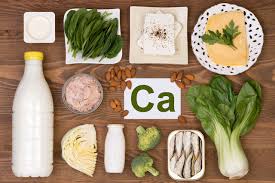
Many non-dairy foods are good sources too. Leafy green vegetables are great. Think kale, spinach, and broccoli.
Canned fish with edible bones is another good choice. Sardines and salmon are excellent. Beans and lentils offer some calcium.
Even some nuts and seeds contribute. Fortified foods are also a big help. Many plant-based milks, orange juices, and cereals have added calcium.
The key is variety. Eating a range of foods helps you get all the nutrients you need. It also makes your meals more interesting.
Quick Scan: Top Calcium Foods
| Food Item | Approx. Calcium (mg per serving) |
|---|---|
| Milk (8 oz) | 300 mg |
| Yogurt (8 oz) | 400 mg |
| Cheddar Cheese (1 oz) | 200 mg |
| Tofu (firm, fortified, 1/2 cup) | 200-400 mg |
| Sardines (3 oz, canned with bones) | 300 mg |
| Kale (1 cup, cooked) | 100 mg |
| Almonds (1 oz) | 75 mg |
Note: Values can vary by brand and preparation.
Meal Ideas for Calcium-Rich Pregnancy
Let’s get practical. How do we put this into meals? We want foods that are easy to find.
And easy to prepare. Especially when you’re tired or dealing with morning sickness. Here are some ideas for breakfast, lunch, and dinner.
Breakfast Boosters
Starting your day with calcium is smart. A bowl of fortified cereal with milk or a calcium-fortified plant-based milk is quick. Add some berries for extra nutrients.
Greek yogurt is a protein and calcium powerhouse. Top it with nuts and fruit. You could also make a smoothie.
Blend yogurt, milk, a banana, and a handful of spinach. You won’t even taste the spinach!
Oatmeal is another great base. Cook it with milk instead of water. Stir in some chopped almonds or chia seeds.
If you like eggs, consider a small cheese omelet. Or have a side of cottage cheese. These simple swaps add up.
Breakfast Idea: Creamy Berry Smoothie
Ingredients:
- 1 cup plain Greek yogurt
- 1/2 cup milk (dairy or fortified plant-based)
- 1/2 cup frozen berries
- 1/2 banana
- 1 tablespoon chia seeds
Instructions: Blend until smooth. Enjoy!
Lunchtime Calcium Hits
For lunch, think about salads, soups, and sandwiches. A large salad can be a calcium goldmine. Load it with spinach or kale.
Add some chickpeas or white beans. Top with a sprinkle of feta or parmesan cheese. A drizzle of olive oil and lemon dressing works well.
Canned salmon or sardines on whole-wheat toast makes a simple, calcium-rich sandwich. Remember the bones! They are soft and edible.
Soups are also excellent. Try a creamy broccoli or spinach soup. Make it with milk or a fortified plant milk for an extra boost.
If you’re packing a lunch, consider a container of yogurt with fruit. Or a cheese and whole-grain cracker snack box. Hummus with tahini (made from sesame seeds) also provides a little calcium.
Pair it with veggie sticks and pita bread. Many recipes for bean salads are easy to make ahead. They offer fiber and calcium.
Lunch Idea: Salmon & Spinach Salad
Ingredients:
- 2 cups fresh spinach
- 3 oz canned salmon (with bones, mashed)
- 1/4 cup chopped cucumber
- 1/4 cup cherry tomatoes, halved
- 2 tablespoons crumbled feta cheese
- Dressing: 1 tbsp olive oil, 1 tsp lemon juice, pinch of salt & pepper
Instructions: Combine all salad ingredients. Toss with dressing. Serve immediately.
Dinner Delights
Dinner is often where we can pack in the most nutrients. Stir-fries are versatile. Use broccoli and tofu.
Add a sauce made with sesame paste. Baked salmon with a side of steamed kale is fantastic. Another option is lean ground beef tacos.
Top with shredded cheese and a dollop of sour cream or plain yogurt.
Chicken dishes can also be calcium-friendly. Try chicken and vegetable skewers. Serve with a side of white bean salad.
Lentil soup is hearty and nutritious. It offers a good amount of calcium. Chili made with beans is another warming, nutrient-dense meal.
Don’t forget about pasta. A creamy Alfredo sauce made with milk and cheese is rich in calcium. You can add vegetables like peas or spinach to it.
Or try a baked ziti with ricotta cheese. Consider recipes that use ricotta or cottage cheese as a base. These are often overlooked calcium sources.
Dinner Idea: Creamy Lemon Garlic Tofu & Broccoli
Ingredients:
- 1 block firm tofu, pressed and cubed
- 1 head broccoli, cut into florets
- 2 cloves garlic, minced
- 1/4 cup milk (dairy or fortified plant-based)
- 2 tablespoons nutritional yeast (for cheesy flavor)
- 1 tablespoon lemon juice
- 1 tablespoon olive oil
- Salt and pepper to taste
Instructions:
- Heat olive oil in a pan. Add tofu and cook until golden. Remove from pan.
- Add garlic to the pan, sauté for 30 seconds.
- Add broccoli and a splash of water. Cover and steam for 3-5 minutes.
- Whisk together milk and nutritional yeast. Pour into the pan.
- Add lemon juice, salt, and pepper. Stir.
- Return tofu to the pan. Toss to coat. Serve hot.
What About Calcium Supplements?
Sometimes, even with a good diet, it’s hard to hit those calcium targets. Your doctor might suggest a supplement. Calcium supplements are widely available.
The most common types are calcium carbonate and calcium citrate. Calcium carbonate is cheaper. It works best when taken with food.
Calcium citrate can be taken any time. It’s also a good choice if you have lower stomach acid.
It’s really important to talk to your doctor before starting any supplement. They can help you choose the right type and dosage. Taking too much calcium can cause problems.
It can lead to kidney stones or interfere with other minerals. They might also check if your prenatal vitamin already contains calcium. Some do.
Supplements are meant to supplement your diet. Not replace it. Whole foods offer other benefits.
Like vitamin D, which helps your body absorb calcium. They also provide fiber and other essential nutrients.
Supplement Smarts
When to consider:
- If your doctor advises it.
- If you have severe dietary restrictions (e.g., lactose intolerance, veganism)
- If you struggle to meet needs through food alone.
Key advice:
- Always consult your doctor.
- Don’t exceed recommended doses.
- Look for USP (United States Pharmacopeia) verified supplements.
The Role of Vitamin D and Other Nutrients
Calcium doesn’t work alone. Your body needs Vitamin D to absorb calcium effectively. Without enough Vitamin D, even if you eat calcium-rich foods, you won’t absorb it well.
Sunlight is a great source of Vitamin D. Many foods are also fortified with it. Including milk, some yogurts, and cereals.
Fatty fish like salmon also contain Vitamin D.
Vitamin K is another player. It helps direct calcium to your bones. Leafy greens are good sources of Vitamin K.
Magnesium is also important for bone health. It works with calcium. Nuts, seeds, and whole grains contain magnesium.
Your prenatal vitamin likely contains these. But it’s good to be aware of them. Eating a balanced diet supports all these nutrients working together.
Focusing on whole foods is the best strategy. It’s like a symphony for your body. All the instruments need to be in tune.
Nutrient Synergy: Calcium Helpers
Vitamin D: Essential for calcium absorption. Found in sunlight, fortified foods, fatty fish.
Vitamin K: Helps direct calcium to bones. Found in leafy greens.
Magnesium: Works with calcium for bone strength. Found in nuts, seeds, whole grains.
Phosphorus: Works with calcium to build bones. Found in dairy, meat, nuts.
Real-World Scenarios and Calcium Intake
Let’s look at some common situations. Many women experience nausea or food aversions. This can make eating difficult.
If certain textures or smells are bothersome, focus on what you can tolerate. Maybe smoothies are your only option for a few weeks. That’s okay!
Pack them with yogurt, fortified milk, and maybe even a little tofu.
For those who are always on the go, quick and easy is key. Having hard-boiled eggs, cheese sticks, or a carton of yogurt ready to grab can make a difference. Even a small handful of almonds can contribute.
Thinking about calcium during meal planning can save you stress later. Prepare some overnight oats or a large batch of bean salad on the weekend.
Some people have underlying health conditions. Or take medications that affect nutrient absorption. This is where working closely with your doctor or a registered dietitian is crucial.
They can create a personalized plan. They understand how your specific needs might change.
Myth vs. Reality: Calcium in Pregnancy
Myth: If I don’t drink milk, I can’t get enough calcium.
Reality: Many non-dairy foods are excellent calcium sources. Leafy greens, fortified foods, and fish with bones are great options.
Myth: Calcium can cause constipation during pregnancy.
Reality: While some calcium supplements can cause constipation, getting calcium from foods is less likely to. Staying hydrated and eating fiber helps manage constipation.
Myth: My baby will take all the calcium they need, even if I don’t eat much.
Reality: Your baby will get what they need. But they will take it from your bones if your intake is insufficient, potentially harming your long-term bone health.
When is Calcium Intake a Concern?
Most of the time, focusing on a balanced diet and perhaps a supplement as advised by your doctor is enough. However, there are times when calcium intake might be a bigger concern. If you have been diagnosed with osteoporosis, for example.
Or if you have certain digestive disorders like Crohn’s disease or celiac disease.
These conditions can affect how well you absorb nutrients. Also, very strict vegetarian or vegan diets. If you are not carefully planning these diets to include calcium-fortified foods and supplements.
Women who have had bariatric surgery may also have challenges absorbing calcium.
It’s also worth noting that excessive intake of certain things can hinder calcium absorption. High amounts of caffeine or sodium in your diet can increase calcium excretion. So moderation is key.
Pay attention to how your body feels. If you experience frequent muscle cramps, especially at night, it could be a sign. But it could also be other things.
Always discuss these symptoms with your healthcare provider.
Simple Checks for Adequate Calcium
Are you getting calcium from multiple sources daily?
- Dairy products (milk, yogurt, cheese)
- Fortified plant milks or juices
- Leafy green vegetables (kale, spinach, bok choy)
- Canned fish with edible bones (sardines, salmon)
- Tofu (calcium-set)
- Certain nuts and seeds (almonds, sesame seeds)
Are you also getting enough Vitamin D?
- Do you get some safe sun exposure?
- Do you consume fortified foods or fatty fish?
- Has your doctor recommended a Vitamin D supplement?
Are you experiencing any concerning symptoms?
- Frequent, unexplained muscle cramps?
- Other concerns discussed with your doctor?
Quick Tips for Boosting Calcium
Here are some super simple ways to boost your calcium intake throughout the day:
- Swap your drink: Choose milk or fortified plant milk over water with meals sometimes.
- Snack smart: Yogurt, cheese sticks, or a small handful of almonds are easy wins.
- Add greens: Throw spinach into smoothies, omelets, or pasta sauces.
- Use bones: Don’t shy away from canned sardines or salmon with the soft bones.
- Bake with it: Ricotta cheese in lasagna or stuffed shells adds a good amount.
- Fortify your food: Look for calcium-fortified orange juice or cereals.
These small changes, done consistently, make a big difference. They contribute to your daily total without feeling like a burden.
Frequently Asked Questions About Pregnancy Calcium
How much calcium do I really need during pregnancy?
Most pregnant individuals need around 1,000 milligrams of calcium per day. Teen mothers (under 19) may need up to 1,300 milligrams. Your doctor will provide the most accurate recommendation for you.
Can I get enough calcium from non-dairy sources?
Absolutely! Many non-dairy foods are rich in calcium. Examples include leafy greens like kale and spinach, fortified plant milks and juices, tofu, sardines with bones, and almonds.
A varied diet makes this easy.
What are the best calcium-rich snacks for pregnancy?
Great snack options include plain yogurt, cheese sticks or cubes, a small handful of almonds, a glass of fortified milk or plant milk, or even sardines on whole-grain crackers. These provide quick calcium boosts.
Is it okay to take calcium supplements during pregnancy?
It can be, but only if recommended by your doctor. They can help you choose the right type and dosage. Supplements should complement your diet, not replace calcium-rich foods.
Too much calcium can also be harmful.
How does Vitamin D affect my calcium intake?
Vitamin D is crucial for your body to absorb calcium properly. Without enough Vitamin D, even if you consume plenty of calcium, your body won’t utilize it effectively. Sunlight and fortified foods are good sources of Vitamin D.
Will not getting enough calcium hurt my baby?
Your baby will always prioritize getting the calcium they need from your body. If your dietary intake is low, your body will draw calcium from your own bones, which can weaken them over time and may affect your long-term bone health.
Bringing It All Together
Ensuring adequate calcium intake during pregnancy is vital. It supports your baby’s amazing growth and your own health. By incorporating a variety of calcium-rich foods, you can meet these needs naturally.
Think about dairy, leafy greens, fortified foods, and fish with bones.
Don’t stress if you have dietary restrictions or face nausea. There are always options. Work with your healthcare provider.
They are your best resource. Focus on simple, delicious meals. Your body and your baby will thank you for it.